History of Orange County, CA: From Citrus Groves to SoCal Real Estate Hub
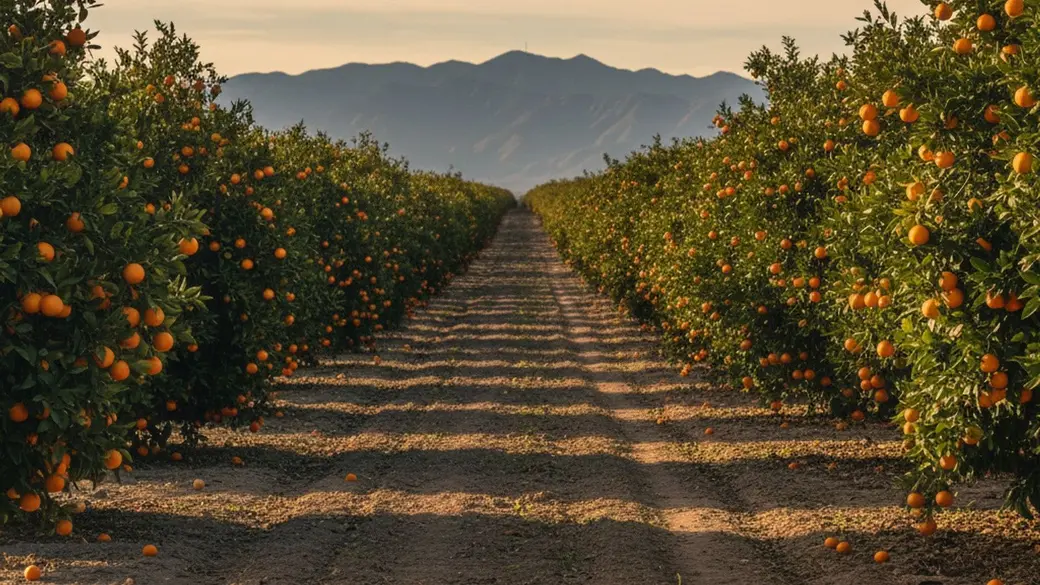
Let's grab a coffee and talk about how our local landscape came to be. It is hard to imagine when you are driving past bustling shopping centers and modern subdivisions, but not that long ago, this area was mostly sprawling orange groves. If you are reviewing a Southern California relocation guide, getting a brief history of Orange County gives you a much better appreciation for the neighborhoods you are touring today.
The county actually got its name as a clever marketing tactic to attract early settlers with the promise of a sunny, semi-tropical agricultural paradise. In this guide, we will trace the history of Orange County, CA from the early days of indigenous communities and California missions to the sprawling Spanish ranchos. We will also look at how the County of Orange was officially formed in 1889 and explore the modern real estate boom that shaped the market we know today. Getting a feel for this background is a perfect addition to your overall Orange County real estate market overview.
The Earliest Inhabitants and the California Missions Era
Before the citrus trees took root, the foundation of our local culture started with its very first residents and early explorers. This era set the stage for the first permanent structures and agricultural efforts in the region.
Long before any modern development, the indigenous Tongva and Acjachemen peoples called this coastal landscape home. They lived off the rich natural resources and established thriving communities along the rivers and coastline. In 1769, a Spanish expedition led by Gaspar de Portolá arrived, marking the beginning of a major shift for the area.
Not long after that expedition, Father Junípero Serra founded Mission San Juan Capistrano in 1776. This mission became a central hub for the region, introducing early agriculture and cattle ranching to the local economy. If you are looking at living in San Juan Capistrano today, you can still feel that deep historical presence right in the center of town.
The mission system laid the groundwork for the sprawling agricultural lands that would follow. It is fascinating to think that some of the historic homes in Orange County sit on land that was first cultivated during this early Spanish era.
Who Originally Owned Orange County, CA Land? The Era of Ranchos
As the mission era faded, the landscape was divided into massive tracts of land that shaped our modern city boundaries. Understanding who originally owned this land helps explain why our neighborhoods are laid out the way they are today.
When Mexico gained independence from Spain, the government began breaking up the vast mission lands and handing out massive land grants. We are talking about tens of thousands of acres given to a single owner, creating a system of sprawling cattle ranches. One of the most famous was Rancho Santiago de Santa Ana, which played a huge role in local development.
During this time, a few prominent families controlled almost all the local real estate. You have probably heard names like the Yorba family, led by José Antonio Yorba, or the O'Neill family. And of course, there is the Irvine family, whose Irvine Company would eventually shape much of our modern landscape. If you are exploring an Irvine, CA neighborhood guide or looking at Yorba Linda real estate, you are directly seeing the legacy of these original rancho boundaries.
Eventually, these massive cattle ranches became too expensive to maintain and were slowly sold off and subdivided. It is wild to think that these massive tracts of land were once granted for free or traded for livestock, whereas today, finding a starter home in these same areas often means a budget well over $500,000. Those early subdivisions became the blueprints for the towns and cities we live in today.
Separating from Los Angeles: The Birth of Orange County
Our local identity really took shape when residents decided they no longer wanted to be governed by their neighbors to the north. That split paved the way for the unique communities we know today.
Back in the late 1800s, our area was actually part of Los Angeles County. However, local farmers and business owners started feeling a lot of political and economic friction, believing their tax dollars were not benefiting their own communities. They wanted local control, which led to a successful push to separate.
The County of Orange was officially incorporated in 1889. Santa Ana was chosen as the county seat, cementing its status as a major local hub. If you review a Santa Ana, CA city profile, you will notice its downtown still holds onto that classic, historic civic charm.
After the split, the agricultural boom really took off. The region became famous for the Valencia orange and vast fields of lima beans. Soon, the Pacific Electric Railway expanded down into the county, connecting our farming towns and making the Los Angeles vs Orange County living debate a reality for early commuters.
World War II and the Great Orange County Real Estate Boom
The quiet, agricultural vibe of the county changed dramatically in the mid-twentieth century. A massive wave of new residents arrived, transforming the region into a densely populated suburban metropolis.
World War II brought several major military bases to the area, drawing in thousands of service members and workers. After the war ended, many of those people decided to stay, kicking off an incredible post-war housing boom. Between roughly 1950 and 1970, the area saw massive population growth, turning those old citrus groves into the birthplace of the modern American suburb.
A major turning point happened in 1955 when Disneyland opened its doors in Anaheim. This single event had a huge economic impact, turning the area into a global destination and driving up demand for Anaheim real estate.
To support all this growth, major infrastructure projects were launched, like the construction of the Interstate 5, also known as the Santa Ana Freeway. This made regional commuting much easier and set the stage for buying a home in a master-planned community - a concept that would soon dominate the local housing market.
Recommended History of Orange County California Books
If you love diving into the backstory of the places you live, there is a lot of great literature out there. Reading up on local history is incredibly valuable for new residents looking to connect with their community and understand its roots.
-
A Brief History of Orange, California: The Plaza City by Phil Brigandi offers a fantastic local perspective on how the area developed.
-
History of Orange County, California by Samuel Armor is a classic read for those who want primary sources and older viewpoints.
I also highly recommend visiting the Orange County Historical Society. They have extensive archives and can point you toward even more literature. Tapping into local resources for Orange County residents like this really helps you appreciate the depth of our local heritage.
Orange County History FAQs
Buyers often ask me a few common questions about how our area came to be. Here are some quick answers to help you get to know the region better.
How did Orange County get its name?
The county got its name strictly as a marketing tool in the late 1800s to attract settlers and investors from the East Coast. Promoters wanted to highlight the area as a sunny, semi-tropical paradise, and the promise of thriving citrus groves was the perfect hook.
What is the oldest city in Orange County, CA?
Anaheim holds the title of the oldest incorporated city in the county, officially founded by German settlers in 1857. However, San Juan Capistrano is the oldest permanent settlement, dating all the way back to the establishment of the mission in 1776.
What are the historical public safety trends in Orange County, CA?
Historically, the county has maintained strong public safety records as it transitioned from rural farmlands to master-planned suburbs. Modern city planning here often includes well-lit streets, abundant local parks, and dedicated civic resources that support positive long-term crime statistics.
Why is Orange County so famous?
The area is globally recognized thanks to the opening of Disneyland in 1955 and its stunning coastal real estate. It is also famous for its massive economic shift from a quiet agricultural region into an influential hub of Southern California culture and business.
If learning about the rich history of our area has you excited to put down roots, I would love to help. Reach out today, and we can start exploring current real estate listings in these historically rich communities.
Categories
Recent Posts