Moving to Orange County, CA: Your 2026 Relocation Guide

Grab a coffee and let's talk about what it actually looks like to relocate to Southern California this year. If you are dreaming of year-round sunshine, ocean breezes, and a coastal lifestyle, you are looking in the right place. Moving to Orange County, CA means stepping into a region that perfectly balances premium amenities with a thriving local economy.
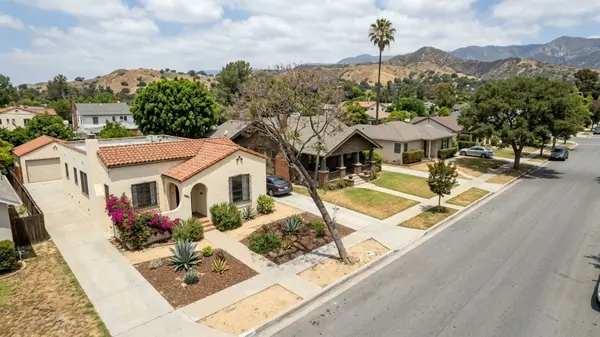
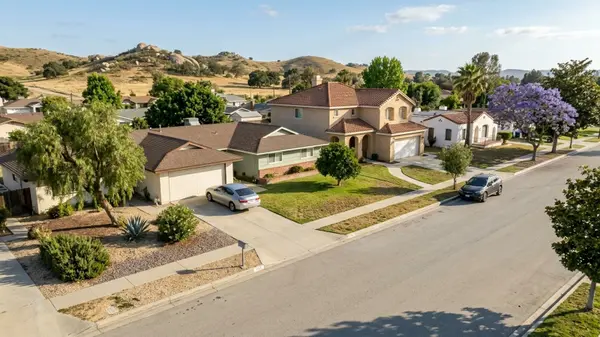
Geographically, the county sits comfortably between the massive urban sprawl of Los Angeles to the north and the laid-back, military-town vibe of San Diego to the south. It spans nearly 800 square miles and is home to over three million residents. You will find a diverse mix of environments here, from iconic coastal towns and master-planned suburban centers to historic inland cities with deep agricultural roots.
As a local agent, I always tell clients that relocating to Southern California is a lifestyle investment. You are trading a higher cost of living for world-class beaches, extensive public park systems, and robust career opportunities. Understanding the realities of the local market early on will help you navigate the transition smoothly and find a community that fits your specific daily needs.
Cost of Living in Orange County, CA: The 2026 Reality Check
Let's start with housing costs, because that is usually the first number buyers want to see when planning a move. The cost of living in Orange County is undeniably high, with housing expenses running roughly 175% above the national average. It is a premium market, but understanding the financial mechanics behind the numbers makes it much easier to plan your budget.
In 2026, you can expect median home prices to hover between $1,100,000 and $1,400,000 depending on the city and the proximity to the coast. It is a steep entry price, but California's tax structure offers some unique predictability. Thanks to California's Proposition 13, your base property tax is generally assessed at 1% of your purchase price, with effective property tax rates typically sitting around 1.1% to 1.3%. This means on a $1,100,000 home, you are looking at roughly $12,100 to $14,300 in annual property taxes. Your assessed value can only increase by a maximum of 2% per year, which protects you from sudden tax spikes if local property values surge.
You will also want to watch out for Mello-Roos fees when looking at newer developments. These are special tax assessment districts common in master-planned communities that fund local infrastructure like new roads, public libraries, and utility lines. They can add a few hundred dollars to your monthly housing costs, so we always factor them in when calculating your true monthly payment.
Beyond the mortgage, everyday expenses require some budgeting adjustments. Utility costs for water and electricity, local gas prices, and grocery bills tend to run higher here than in most out-of-state markets. However, when you are reviewing an Orange County real estate market update, it is important to weigh those numbers against the value of the lifestyle. The premium you pay grants you access to top-tier public services, beautifully maintained public spaces, and a climate that lets you spend most of your life outdoors.
Orange County, CA vs Los Angeles Living
From there, it is smart to look at how our area compares to our famous neighbor to the north. Many buyers weigh Orange County against moving to Los Angeles, and the choice usually comes down to your preferred daily pace and environment.
Los Angeles is defined by its dense urban sprawl, heavy entertainment industry focus, and vibrant, fast-paced city energy. It is a global metropolis with the traffic and density to match. Orange County offers a distinctively different atmosphere centered around master-planned suburban living and a slower, coastal vibe. Instead of navigating dense city blocks and high-rise apartments, residents here spend their weekends exploring outdoor recreation areas, hiking trails, and easily accessible public beaches.
The commute reality is also a major dividing line between the two regions. While downtown LA is only about 40 miles away from central Orange County, driving between the two can easily take over an hour and a half during peak times. Most locals prefer to live and work within the county to avoid that trek, enjoying a more predictable daily routine. Even air travel is different - locals heavily favor the smaller, easy-to-navigate John Wayne Airport over the chaotic bustle of LAX.
Evaluating Top Neighborhoods in Orange County
Choosing the right city comes down to your daily routine and lifestyle preferences. We have a wide variety of neighborhoods in Orange County, each offering a unique layout, architectural style, and set of local amenities.
-
Irvine: Known globally for its meticulous master-planned layout, Irvine offers incredible proximity to the University of California, Irvine and a massive local job hub. Buyers often look at homes for sale in Irvine for the structured neighborhood designs, extensive greenbelts, and high GreatSchools ratings.
-
The Coastal Cities: Newport Beach, Huntington Beach, and Laguna Beach are the go-to choices for immediate beach access and outdoor recreation. Huntington Beach offers a laid-back surf culture, Newport Beach is famous for its massive recreational harbor, and Laguna Beach provides a dramatic, hilly coastline with a rich arts scene.
-
North County: Cities like Fullerton, Anaheim, and Costa Mesa provide a more vibrant, historic charm with slightly different housing styles. Anaheim brings the economic engine of the Disneyland Resort, while Costa Mesa acts as a major retail, dining, and arts district for the region.
When comparing these areas, I recommend looking at objective metrics that matter to your daily life. Review local crime statistics, check the park density for weekend activities, and look up public school boundary maps to find the exact fit for your specific needs.
The Thriving Job Market and Economy
A major draw for new residents is the thriving job market that keeps the local economy remarkably stable. You do not have to commute to Los Angeles to build a high-level career or launch a business.
The Irvine business complex and the surrounding commercial areas in Costa Mesa serve as massive employment hubs. We have a heavy concentration of Fortune 500 companies operating right in our backyard, fueled by talent from local institutions like Chapman University and Cal State Fullerton. The key industries driving the region include technology, medical device manufacturing, healthcare, real estate, and tourism.
The rise of remote work has also shifted how people approach suburban living choices here. With less need to commute five days a week, many professionals are buying a home near Irvine Business Complex or further south, prioritizing dedicated home office space and faster internet infrastructure over immediate freeway access.
Lifestyle, Weather, and Outdoor Recreation
When you clock out for the day, the local lifestyle truly shines. The Mediterranean climate delivers year-round sunshine, averaging over 270 sunny days a year. This weather completely transforms how you plan your free time and is often the deciding factor for out-of-state buyers.
Outdoor recreation is woven into the fabric of living in Orange County, California. Locals spend their weekends exploring the tide pools at Crystal Cove State Park or mountain biking through the extensive, rugged trails of Aliso and Wood Canyons Wilderness Park. Whether you are into paddleboarding in the harbor or running along the beachfront boardwalks, there is an endless list of things to do in Orange County that do not require an admission ticket.
If you prefer shopping and dining, the area certainly does not disappoint. South Coast Plaza in Costa Mesa offers a world-class, high-end retail experience that draws visitors from around the globe. Just across the street, the Segerstrom Center for the Arts hosts major theatrical productions, ballets, and musical performances. It is this unique mix of rugged outdoor beauty and refined cultural amenities that makes the region so highly sought after.
Navigating the Commute: Transportation Tips
Getting around Southern California does require a bit of patience and planning. Providing a reality check on the local traffic is a standard part of my relocation tips for any new buyer coming from a smaller market.
The county relies heavily on major arteries like Interstate 5 and Interstate 405 - which locals simply call "the 5" and "the 405". Rush hour dynamics are very real here, and peak traffic times can significantly extend a simple ten-mile drive. To combat this, many locals utilize the extensive network of local toll roads, such as the 73, 241, and 133. These toll roads offer a faster, more predictable route through the canyons and foothills for a daily fee.
If you are commuting from Orange County to LA, or just want to avoid the wear and tear on your vehicle given the high local gas prices, public transit is a viable option. The Metrolink train system connects several Orange County cities directly to Los Angeles and San Diego. Many professionals use the train to catch up on emails or relax, providing a stress-free alternative to sitting in freeway gridlock.
Frequently Asked Questions About Moving to OC
Is Orange County, CA a good place to live?
Orange County offers an exceptional quality of life with over 40 miles of coastline, robust employment hubs, and an extensive park system. While the cost of entry is high, residents benefit from premium public amenities and a Mediterranean climate that allows for year-round outdoor recreation.
What salary do you need to live comfortably in Orange County?
To comfortably afford a median-priced home of $1,100,000 while managing local utilities and daily expenses, a household income of $250,000 to $300,000 is generally recommended in 2026. This allows you to cover a standard mortgage, property taxes, and higher local gas prices without stretching your monthly budget too thin.
What are the crime statistics like in Orange County cities?
Crime statistics vary by municipality, but many master-planned communities in the area consistently report property and violent crime rates below the national average. Cities like Irvine publish detailed annual public safety reports, allowing prospective buyers to review objective data before choosing a neighborhood.
Categories
Recent Posts