Buying a Home in Orange County, CA vs Florida in 2026
Most buyers I talk to who are weighing this move already have a gut feeling about which direction they're leaning - but gut feelings don't pay mortgages. The choice between living in Orange County, CA and Florida comes down to housing costs, tax structures, and what you actually want your daily life to look like. Both places offer warm weather and coastal access. The financial realities in 2026, though, are genuinely different, and they'll hit your budget in ways that aren't always obvious until you run the numbers.
Before you commit to either direction, you'll want a clear picture of median home prices, property taxes, and insurance premiums in each location. Florida generally offers a lower barrier to entry for homeownership. California counters with a specific property tax cap and a Mediterranean climate that Florida simply can't match. Neither answer is wrong - but one is probably right for you.
Comparing Housing Costs and Home Styles
The median sale price for a home in Orange County, CA sits at roughly $1,271,000 as of mid-2026. That number alone tells you a lot about what you're getting into.
Florida's local markets vary widely by city, but they generally offer a lower entry point. Orange County inventory currently hovers around 5,957 available homes, with properties spending an average of 40 days on the market before selling and almost 31% selling above their asking price. That's not a soft market. Florida markets tend to offer more inventory at lower price tiers, though the trade-off comes down to property types and the geography surrounding them.
Home Prices and Market Pace
The California Association of Realtors noted single-family homes pushing near $1,490,000 earlier this year, though the broader Orange County median across all property types lands closer to $1.27 million. With only 2.8 months of supply, sellers hold the advantage here. Buyers looking at Florida will find different dynamics depending on whether they target Miami, Orlando, or Tampa, but state averages routinely fall below Orange County's million-dollar baseline.
Architectural Styles and Layouts
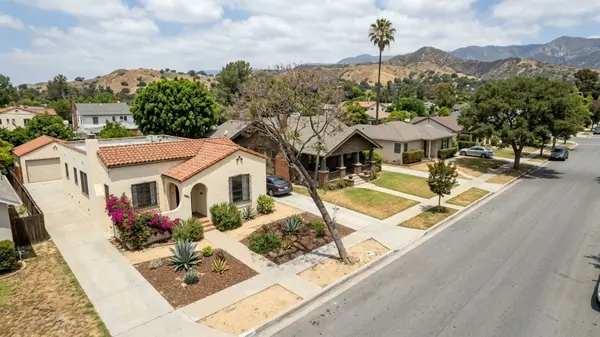
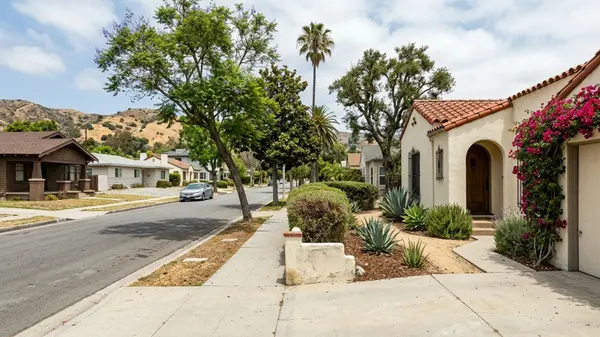
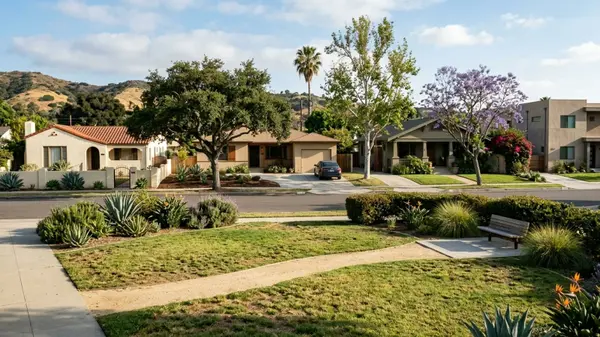
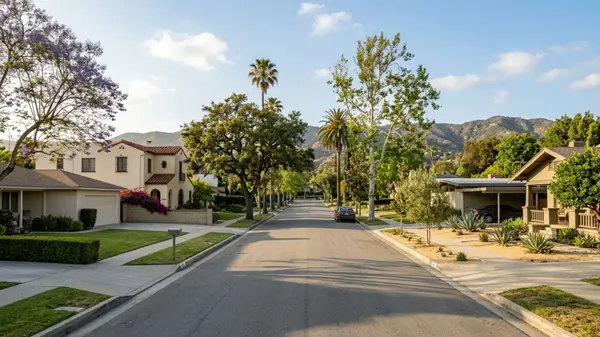
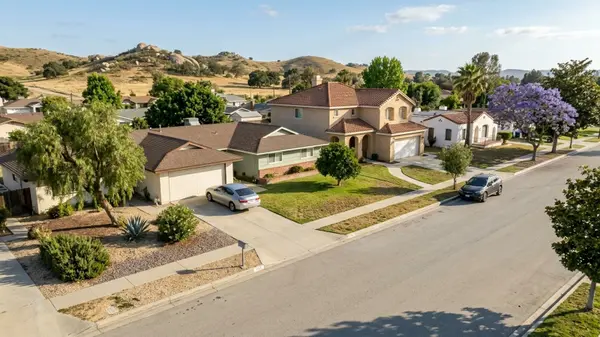
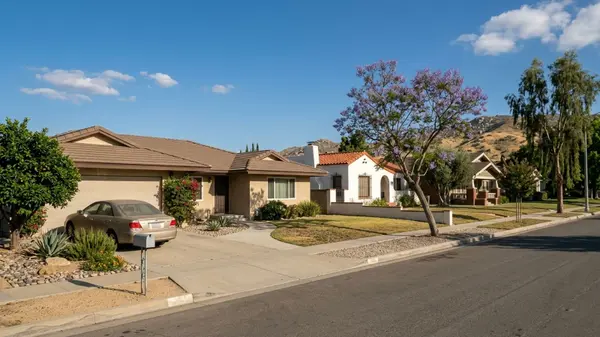
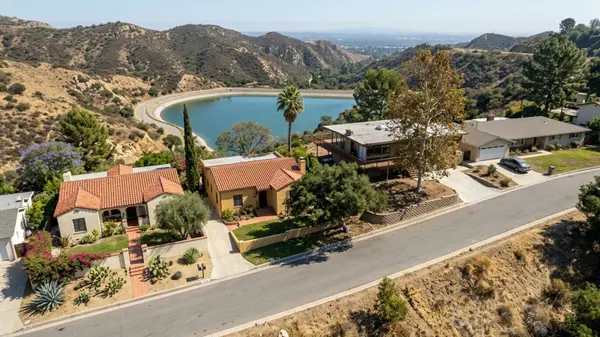
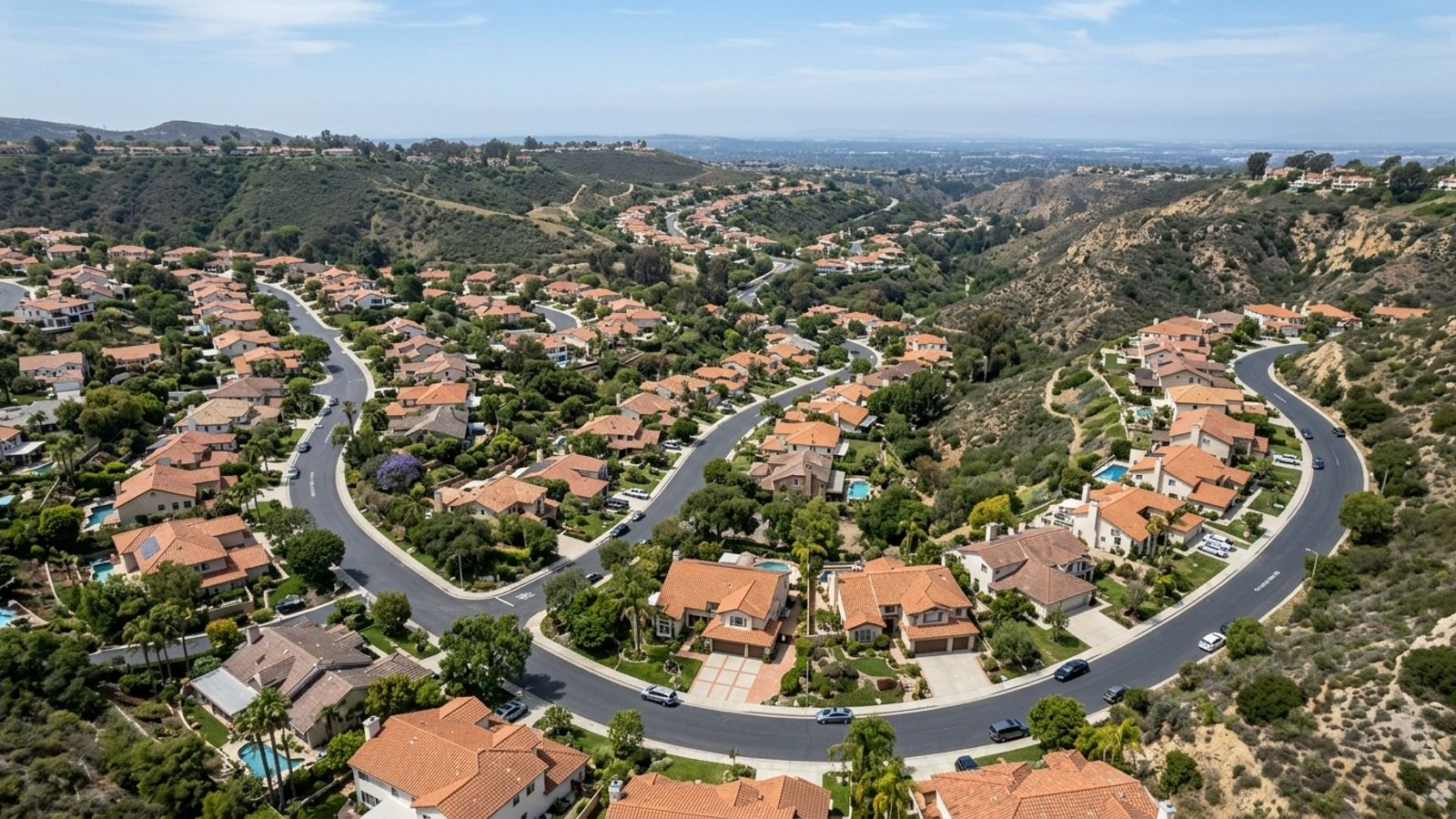
Orange County neighborhoods lean heavily Mediterranean - Spanish tile roofs, single-story ranch layouts, properties that back up to canyons or foothills with outdoor living spaces built into the terrain. Florida homes are a different animal: slab foundations, enclosed lanais, construction details driven by year-round humidity and insects. Neither style is superior; they're just solving for different climates.
Daily Living Expenses and Tax Rates
California carries the highest state income tax rate in the nation, with a graduated scale running from 1% to 13.3%. Florida charges zero state income tax. For high earners, that difference alone drives relocation decisions.
California's top bracket also includes a 1% surcharge on taxable income over $1 million for single filers. Run your projected take-home pay in both states before you finalize a relocation budget - the swing can be significant enough to change what you can comfortably afford in a mortgage payment.
Property taxes add another layer. Florida residents use homestead exemptions to manage their bills; California buyers rely on a specific state law that caps annual property tax increases. The mechanics of that cap matter more than most buyers realize at first.
Property Taxes and Proposition 13
Orange County's base property tax rate is 1% of assessed value under Proposition 13. Voter-approved bonds typically push the effective rate to around 1.1% to 1.3%. Buy in a Mello-Roos district, and that rate can reach 1.4% to 2.1% to fund local infrastructure.
Even with those additions, SmartAsset calculates the county's overall effective property tax rate at roughly 0.62% of a home's market value - resulting in a median annual bill of around $6,436. The key protection Proposition 13 provides is that assessed value can't rise more than 2% annually, which keeps your long-term tax picture predictable regardless of what the market does around you.
State Income Tax Burdens
Florida's zero state income tax means workers keep more of their gross pay from day one. California residents have to factor that graduated income tax into their monthly budgets when qualifying for a mortgage - it's not a small line item at higher income levels.
Weather Risks and Insurance Premiums
Orange County ranks in the 100th percentile nationally on FEMA's National Risk Index for earthquakes, flooding, and wildfires. Florida buyers face a different threat profile, primarily hurricanes and coastal flooding. Neither state lets you off easy.
The official Hazard Mitigation Plan for Orange County identifies nine major hazards. Dry summer vegetation makes wildland and urban fires a leading risk, particularly in canyon and open-space communities. The region also sits on numerous seismic faults - earthquakes aren't an if, they're a when. Florida's hurricane season demands specific home preparations: storm shutters, impact-resistant windows, and the insurance policies to back all of it up.
Natural Hazards and Climate
Orange County's Mediterranean climate means mild, wetter winters and hot, dry summers. Those dry conditions feed directly into the wildfire risk. Florida runs hot and humid year-round, which influences decisions you might not anticipate - exterior paint, HVAC maintenance cycles, how your landscaping holds up. Both climates have real costs attached to them.
Paying for Homeowners Insurance
Statewide, California homeowners insurance averages about $1,543 per year - roughly 35% to 55% below the national average. Within Orange County specifically, estimates range from around $1,200 to $1,492 annually. That's genuinely low by national standards.
Buy in a canyon community or a high-hazard wildfire zone, and your individual rate will climb past those figures. Florida homeowners generally face higher baseline premiums because hurricane risk is widespread rather than concentrated in specific zones - it follows you across most of the state.
Geography and Outdoor Access
Orange County sits along the Southern California coast where coastal plains meet foothills and canyons. Santiago Canyon backs directly up to the Santa Ana Mountains, which means residents have ocean activities and mountain hiking trails within a short drive of each other. That's not a marketing claim - it's just geography, and it's a meaningful part of daily life here.
Florida offers a flatter landscape built around beaches, wetlands, and inland lakes. Coastlines on both the Atlantic Ocean and the Gulf of Mexico give buyers extensive water access, and buyers choosing Florida often prioritize boating, fishing, and warm-water beach access over the terrain variety you get in Southern California.
Coastal and Foothill Environments
Orange County's Mediterranean climate allows for year-round outdoor use without Southeast-level humidity. Florida's weather patterns support lush, tropical vegetation but require homes built to handle heavy tropical rainfall. Which environment suits your daily routines is a real question worth sitting with - it's not the same answer for everyone.
Deciding Where to Buy
A median sale price of roughly $1.27 million in Orange County requires a meaningfully larger down payment than most Florida markets. The central trade-off is California's higher income taxes on one side and Florida's higher insurance premiums and property tax reassessment rules on the other.
Buyers who prioritize lower daily living costs and zero state income tax tend to lean toward Florida. Buyers who want a Mediterranean climate, mountain access, and the long-term predictability of Proposition 13 tend to find Orange County worth the premium. Neither position is unreasonable.
What actually helps is reviewing local MLS data in both markets and talking to lenders who can run specific payment scenarios for each region. Tour neighborhoods in both states if you can. A number on a spreadsheet feels different once you've stood in the driveway.
Frequently Asked Questions
What is the actual price difference for a coastal single-family home in Orange County, CA versus Florida?
It depends on which Florida city you're looking at. In Orange County, the median sale price across all home types is roughly $1,271,000, with single-family homes often pushing closer to $1.49 million. Florida state averages and local markets generally offer a lower median price, with more options under the million-dollar mark.
How do property taxes and state income taxes in Orange County compare to Florida's tax-free status?
Orange County residents pay a base property tax rate of 1% under Proposition 13, plus local bonds, and face a graduated state income tax ranging from 1% to 13.3%. Florida residents pay no state income tax at all. Florida homeowners use homestead exemptions for property taxes; California relies on Proposition 13 to cap annual assessment increases at 2%.
Will I pay more for home insurance against Orange County wildfires or Florida hurricanes?
It depends on the specific property location, but California averages are generally lower. Statewide, California homeowners insurance averages about $1,543 per year, with Orange County estimates running between $1,200 and $1,492 annually. Florida premiums are typically higher due to widespread hurricane risk, though California homes in high-hazard wildfire zones will see elevated rates.
How does California's Prop 13 affect my property taxes if I relocate from Florida to Orange County?
Proposition 13 sets your base property tax rate at 1% of the home's assessed value at the time of purchase, then caps the annual increase of that assessed value at a maximum of 2% per year. Even if the market around you appreciates rapidly, your tax bill stays predictable.
Which real estate market offers better long-term property appreciation: Orange County or popular Florida cities?
It depends on shifting market dynamics and local demand. Orange County has shown steady growth - a median sale price of roughly $1.27 million and 31% of homes selling above list price in mid-2026. Florida appreciation varies widely by metro area, driven by ongoing relocation trends and housing inventory levels in each market.
Are HOA fees and community restrictions generally higher in Orange County master-planned communities compared to Florida?
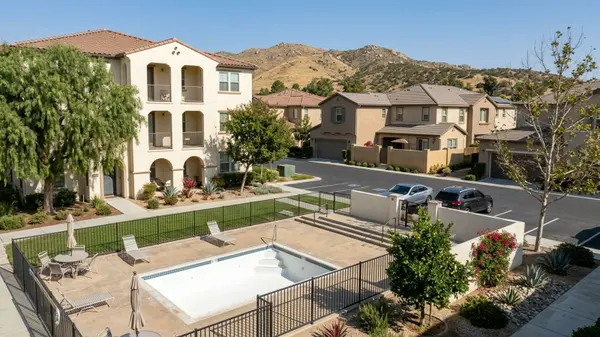
It depends on the specific community and its amenities. Orange County buyers also need to account for Mello-Roos districts, which can push effective property tax rates to 1.4% or 2.1% to fund local infrastructure. Both states have extensive master-planned communities with varying monthly fees based on services like pool maintenance and security.
Categories
Recent Posts