What to Expect When Comparing Orange County, CA vs Los Angeles Real Estate in 2026
These are two genuinely different markets, even though they share a county line and a general zip code reputation for being expensive. Buyers who assume it's just a matter of splitting the difference between two pricey Southern California options tend to get surprised - by the infrastructure, by the fees, by how different the daily rhythm of living in Orange County actually feels.
Los Angeles is older, denser, and more varied. Orange County is more recent, more planned, and more consistent. Neither of those is a compliment or a criticism - they're just the practical differences that end up mattering when you're deciding where to put down roots.
Comparing Property Costs and Living Expenses
The median home sale price in Orange County sits at approximately $1.27 million as of mid-2026, which is a 2.5% increase from the previous year. That's not a market in freefall or a market going haywire - it's a market holding steady under real demand.
What that demand looks like in practice: available homes are spending roughly 40 days on the market before selling, there are just under 6,000 active listings, and supply sits at 2.8 months. Sellers hold a slight edge in negotiations right now. That's the environment you're walking into.
Median Home Prices
Los Angeles offers more variance at the entry level, mostly because of its sheer size - there are simply more neighborhoods across a wider range of price points. Orange County's market is tighter. Homes here sell for about 99.4% of their list price on average, and nearly 31% of listings sell above asking. If you're used to negotiating a seller down, that playbook needs adjusting.
Single-family homes under $1.2 million face strong competition in both counties. Come prepared with a well-structured offer, not an exploratory one.
Property Taxes and Insurance Rates
California's Proposition 13 caps the statutory base property tax rate at 1% of assessed value statewide. In practice, Orange County's effective rate typically falls between 0.6% and 1.2% once you layer in local bonds and special assessments - so the actual number on your tax bill depends on where exactly you buy.
The thing that catches a lot of buyers off guard is Mello-Roos. Newer developments throughout Orange County carry these additional taxes to fund local infrastructure - schools, roads, that kind of thing. They're not hidden exactly, but they don't always show up in the headline payment you see online. Pull the preliminary title report before you get attached to a property. These assessments vary widely from one neighborhood to the next and can meaningfully change your monthly number.
Housing Styles and Neighborhood Layouts
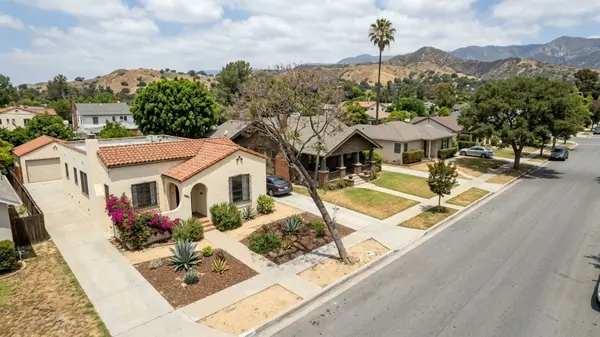
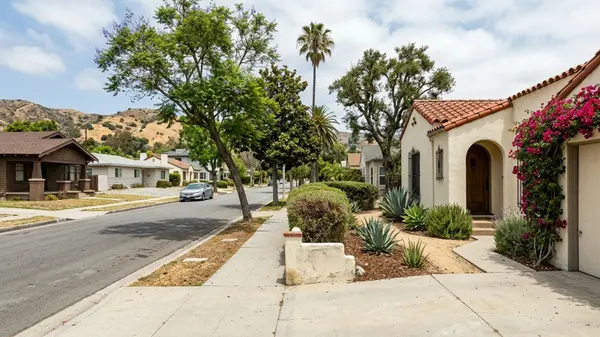
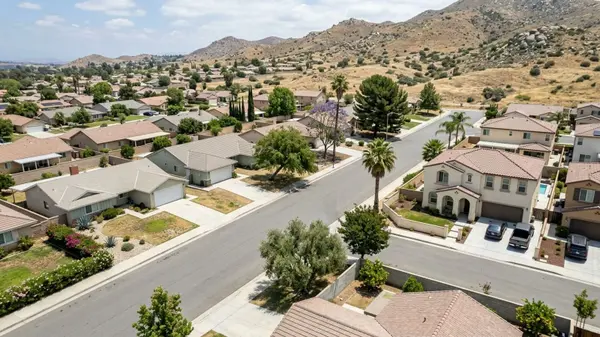
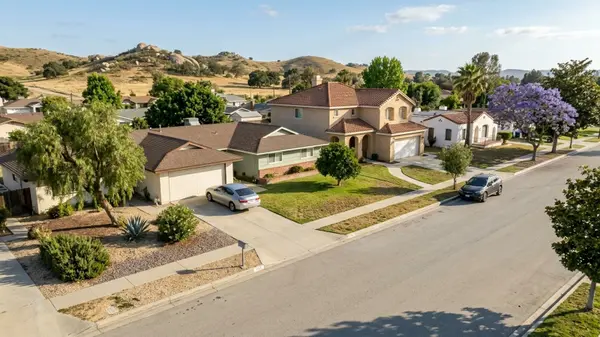
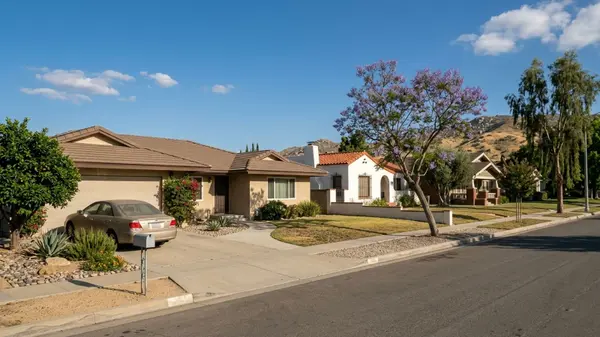
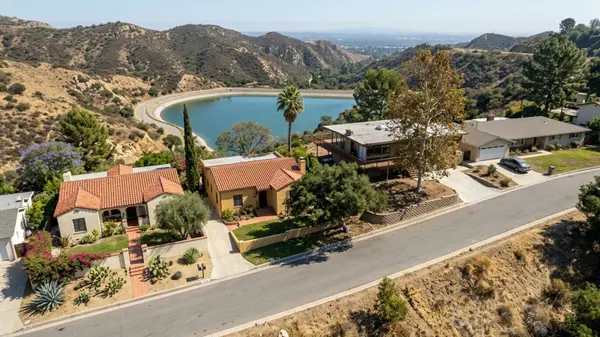
Los Angeles has the bones of a much older city - grid streets, historic bungalows, mid-century moderns, Spanish colonials going back to the early 1900s. Orange County's development timeline is more recent, which shapes everything from the street layout to the HOA documents you'll be signing.
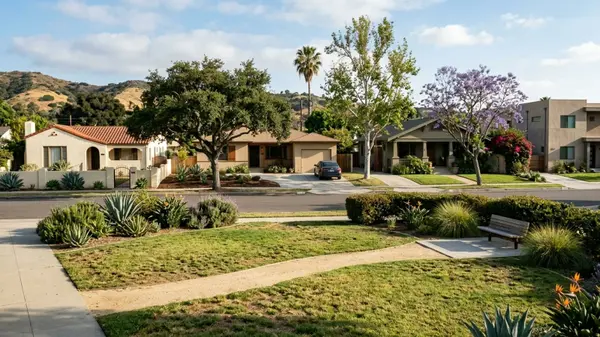
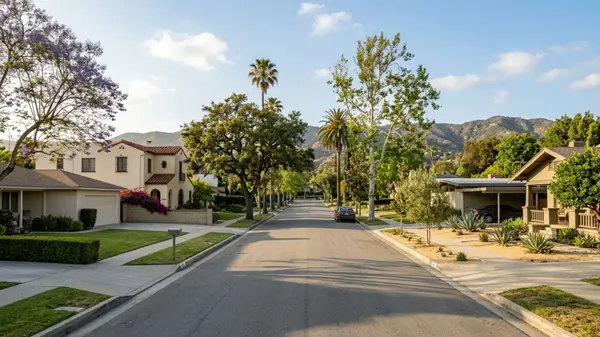
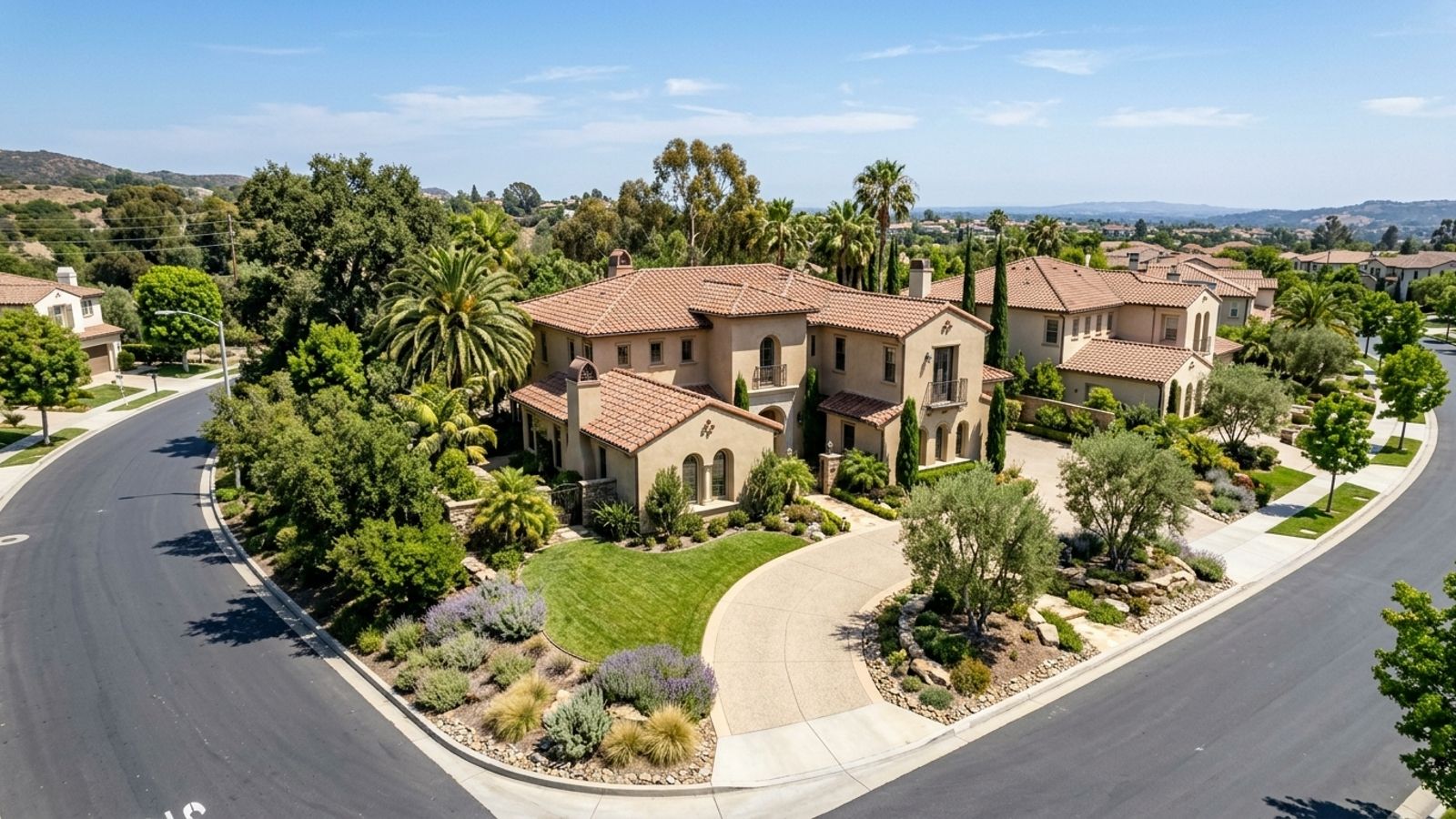
Master-planned communities are a defining feature of the Orange County housing stock. You'll find integrated parks, retail centers, and architectural guidelines baked into the CC&Rs of most of these neighborhoods. For buyers who want a certain predictability in how their street looks and how their property is maintained, that structure is actually reassuring.
Lot Sizes and Community Density
Standard R-1 single-family zoning in Orange County typically requires a minimum lot size of around 5,000 square feet, and most suburban homes sit somewhere in that 5,000 to 6,000 square foot range. Enough room for a real backyard. Enough room for a pool if that matters to you.
Density shifts depending on where you are in the county. Newer coastal developments tend toward smaller lots to make the most of limited land, while hillside areas - Villa Park, Coto de Caza, Anaheim Hills - often come with lots exceeding half an acre. Those are meaningfully different living situations, and worth being clear about which one you actually want before you start touring.
Common Architectural Styles
Mediterranean, Spanish Revival, Contemporary tract homes - that's most of what you'll see in Orange County. The master-planned approach keeps neighborhoods visually consistent, which appeals to some buyers and feels constraining to others. Worth knowing your preference going in.
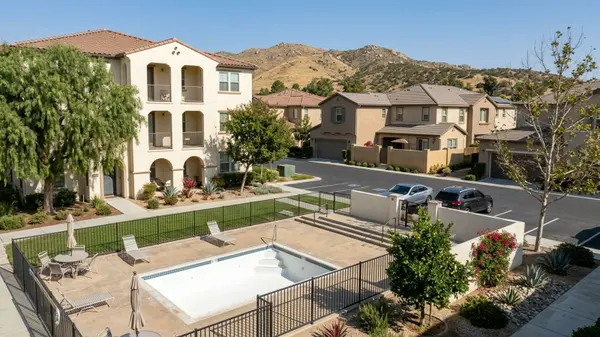
Condominiums and townhomes are common near commercial hubs and coastal cities, and they're often how buyers get into this market when a single-family home isn't in reach yet. Just remember to factor monthly HOA dues into your real budget, not as an afterthought.
Commutes, Geography, and Infrastructure
The freeway experience is different here than in Los Angeles, even if the roads look similar on a map. Orange County's average commute runs about 23 to 27 minutes depending on the route and time of day - and the county's geography is part of why. The Pacific Ocean to the west and the Santa Ana Mountains to the east compress most north-south traffic through a limited number of major corridors. When those corridors back up, there aren't many alternatives.
Transportation and Highway Access
The I-5 and 405 are your primary arteries for moving between Orange County cities and up into Los Angeles. Toll roads offer a pressure valve for drivers willing to pay for a faster trip, and plenty of Orange County commuters factor that cost into their monthly budget without a second thought.
Southern California is car-dependent - that's not going to change - but the Metrolink train system does connect several Orange County cities directly to downtown Los Angeles. If you're commuting to LA regularly, it's worth knowing that option exists before you assume you're locked into driving every day.
Airport and Commercial Access
Los Angeles International Airport is the regional hub, but a lot of Orange County residents default to John Wayne Airport in Santa Ana for domestic travel. Smaller scale, easier access, less of an ordeal.
Commercial activity in Orange County doesn't concentrate in one downtown core the way it does in older cities. It's distributed. Irvine and Costa Mesa, for example, carry large business parks and retail centers, which means many residents can work close to home without ever touching the freeway.
Researching Orange County, CA Neighborhoods
Orange County has 34 incorporated cities, each running its own municipal regulations. That matters more than buyers often realize at first, because a property in unincorporated Orange County answers to county governance, while one inside city limits falls under local ordinances. The rules about what you can do with a property - additions, ADUs, permitted uses - can differ meaningfully depending on which side of that line you're on.
Do that research before you fall in love with a house.
Local Data Sources
Crime statistics are available directly through the Orange County Sheriff's Department or the municipal police department serving the specific city you're looking at. Those official portals give you the most accurate incident data - not aggregated third-party summaries.
For zoning and building regulations, the county and city planning departments publish their rules online. If you're planning to remodel, verify building setback requirements and pull the permit history before you make an offer. Discovering a prior unpermitted addition after closing is not a fun conversation.
Frequently Asked Questions
Are property taxes and supplemental assessments higher in Orange County, CA compared to Los Angeles?
It depends on the specific property and what local bonds are attached to it. Both counties fall under California's Proposition 13 base rate of 1%, but Orange County's effective rate often lands between 0.6% and 1.2% depending on additional assessments like Mello-Roos.
Where are the best neighborhoods to buy in Orange County if I still have to commute to LA?
Focus on cities near the northern border of the county or along the Metrolink line. Proximity to the I-5 or 405 is the main variable that keeps the daily drive manageable.
Do single-family homes appreciate faster in Orange County or Los Angeles?
Appreciation moves with local conditions and inventory. In mid-2026, Orange County recorded a median sale price increase of about 2.5% year-over-year, which reflects steady demand rather than a spike.
Will I get more house for my money buying in Orange County, CA or Los Angeles?
It depends on the neighborhood and the property type. Orange County's median sale price runs approximately $1.27 million, but buyers often find suburban lots in the 5,000 to 6,000 square foot range - inventory that can be harder to come by in the denser parts of Los Angeles.
What are the biggest surprises or hidden costs buyers face when relocating from LA to Orange County?
Homeowners associations and Mello-Roos taxes. Both are common in Orange County's master-planned communities, and both add to your monthly carrying cost in ways that don't always register when you're looking at a listing price online. Work those numbers into your budget before you make an offer, not after.
How does the average time on market for selling a home in Orange County compare to Los Angeles?
In mid-2026, Orange County homes were spending a median of 40 days on the market. Well-priced properties move faster than that - and nearly a third of local listings are selling above the asking price.
Categories
Recent Posts