Real Estate and Relocation in Orange County, CA vs San Diego
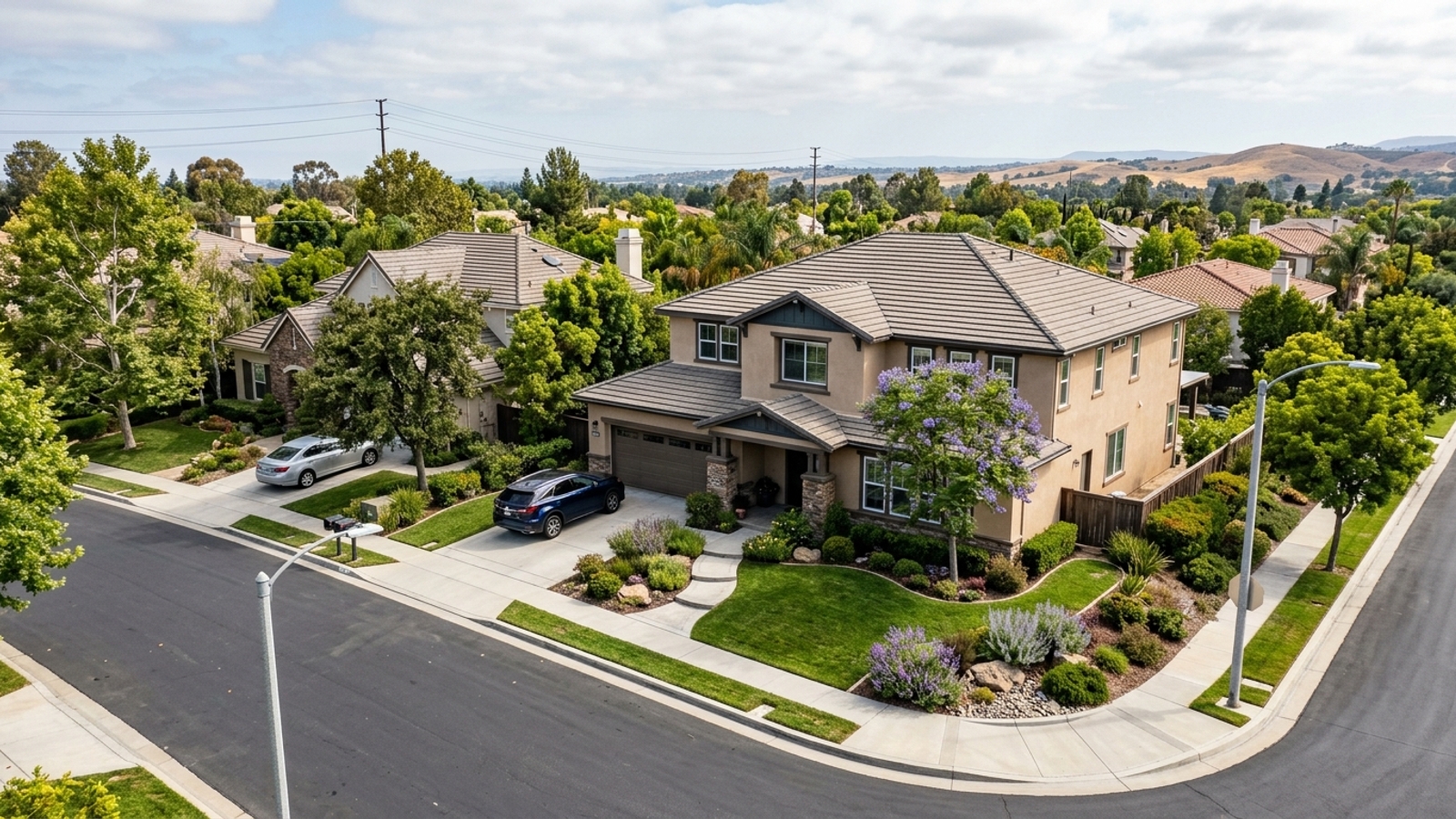
The median sale price for a home in Orange County sits at approximately $1.27 million as of mid-2026. An hour or two south down Interstate 5, San Diego comes in closer to $950,000 based on early-2026 figures - a meaningful gap that shapes nearly every conversation I have with buyers trying to decide between living in Orange County and San Diego.
Price alone doesn't tell the full story, though. Both regions offer coastal access and strong local economies, but their property tax structures, housing inventory levels, and major employment sectors are different enough that where you land financially depends on a lot more than which number sounds better at first glance.
Housing Markets in Orange County and San Diego
Orange County currently has about 5,957 homes in active inventory - roughly 2.8 months of supply. Homes are spending a median of just 40 days on market before going under contract, which tells you everything you need to know about how much room buyers have to deliberate.
San Diego faces similar pressure, though inventory counts shift by neighborhood and property type. In both counties, sellers are regularly fielding offers at or just below asking. If you're not prepared to move decisively, you'll find yourself watching listings close from the sidelines.
Home Prices and Purchasing Power
That $1.27 million Orange County median comes with one more number worth sitting with: nearly 31% of homes there sell above list price. Coastal single-family homes push well above the median. Condos and townhomes further inland bring the entry point down, but don't expect bargains.
San Diego's $950,000 median gives you a bit more room to breathe. The down payment that gets you a modest townhome in Orange County might realistically stretch to a larger single-family property in parts of San Diego County. That's not a trivial difference.
Inventory Levels and Market Speed
Orange County sellers are sitting pretty right now - the average sale-to-list ratio is 99.4%. Get your financing sorted before you start touring, because 40 days on market doesn't leave much time for back-and-forth.
San Diego's pace varies more by neighborhood, but the broader picture mirrors Southern California's regional trend. In both markets, clean and straightforward offers from buyers who know their micro-market tend to win.
Property Types Across Both Counties
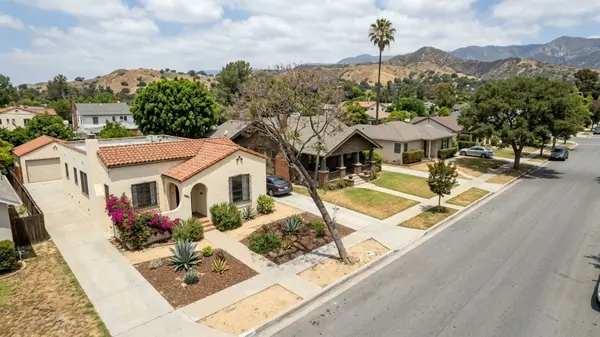
Orange County leans heavily toward planned communities built from the 1970s onward - Irvine and Mission Viejo are good examples - with uniform architectural guidelines and homeowners associations that come with the territory.
San Diego's housing stock is more varied. You've got Craftsman bungalows in North Park, mid-century builds in Point Loma, and a lot of architectural variety in between. Buyers who want character and age in their home tend to focus their search in San Diego proper.
Cost of Living and Financial Differences
Orange County tracks about 60% higher than the national average for overall cost of living. Housing drives most of that gap, but everyday expenses reflect the coastal Southern California premium across the board.
San Diego also runs well above national averages. Before you settle on a budget for either county, it's worth mapping out property taxes, local assessments, and realistic commuting costs - the monthly picture can look quite different from the purchase price alone.
Property Taxes and Assessments
For the 2025-2026 tax year, Orange County's effective property tax rate lands between 1.1% and 1.3% of assessed value. That's California's Proposition 13 base rate of 1% plus voter-approved bonds and local assessments layered on top.
San Diego homeowners see similar effective rates, typically between 1.1% and 1.25% of assessed value. The thing to watch in either county is Mello-Roos - those special tax assessments for local infrastructure can push your effective rate above 1.3%, and they don't always show up prominently in listing details.
Everyday Expenses and Local Costs
Both counties sit under California's standard income and sales taxes. Orange County's 60% premium over the national average runs across groceries, transportation, and healthcare - not just the mortgage.
San Diego generally comes in slightly lower than Orange County on daily living costs, though the gap shifts depending on what you're comparing. Either way, if you're relocating from out of state, budget accordingly for gas and utilities. California will surprise you.
Weather, Commutes, and Local Amenities
The mild Mediterranean climate is the constant. Along the immediate coast in either county, winters rarely drop below 50 degrees and summers rarely break 85. It's one of the few things buyers don't need to negotiate on.
What does vary is how you'll spend your time getting to work and what you'll find when you get home. Employment centers, highway layouts, and transit options look meaningfully different between the two counties.
Major Employers and Industries
Orange County's economy is anchored by Professional and Business Services - the county's largest supersector at 316,400 jobs. Health Care and Social Assistance employs 200,466 people, and Manufacturing adds another 188,463. Leisure and Hospitality employs 239,300, with the Disneyland Resort serving as the county's single largest employer out of Anaheim.
San Diego's economy reads differently - defense, biotechnology, and international trade carry more weight there. Major naval bases and research universities shape the professional landscape in ways that Orange County's corporate hubs don't.
Commute Times and Transit Options
When getting around Orange County, you're working with Interstate 5, Interstate 405, and a network of toll roads to reach job centers in Irvine, Costa Mesa, or Los Angeles. The flow is predictable: north in the morning, south in the evening.
San Diego commutes run along Interstate 5, Interstate 8, and Interstate 15. Job centers are somewhat more concentrated downtown and in the Sorrento Valley tech corridor. Both counties have real rush-hour congestion - neither one is going to surprise you pleasantly on that front.
Climate and Outdoor Recreation
Orange County has miles of wide, sandy beaches and developed harbor areas like Newport Beach and Dana Point. Head inland and you're into regional parks and miles of trails in the Santa Ana Mountains.
San Diego's coastline is more dramatic - cliffs in La Jolla, expansive bays built for sailing and water sports. The county also gives you easy access to desert recreation to the east and mountain towns like Julian. It's a different kind of variety than Orange County offers.
Choosing Between the Two Regions
For most buyers moving to Orange County or San Diego, it comes down to budget and where the job is. With Orange County medians near $1.27 million and San Diego closer to $950,000, purchasing power does a lot of the deciding.
Buyers drawn to newer planned communities and proximity to Los Angeles tend to land in Orange County. Those who want more architectural variety and a lower entry point - and don't need that Los Angeles proximity - often end up in San Diego. Touring both before you commit sharpens the thinking considerably. Running actual sales data and tax assessments against your numbers, with someone who knows the local market, is how you make sure your budget and your preferred neighborhood are actually compatible.
Frequently Asked Questions
Is it more expensive to buy a house in Orange County or San Diego?
Yes, Orange County is more expensive. The median sale price there is approximately $1.27 million as of mid-2026. San Diego's median home price sits closer to $950,000.
How do property taxes and Mello-Roos fees compare between Orange County and San Diego?
They're nearly identical. Homeowners in both counties typically pay an effective rate between 1.1% and 1.3% of assessed value. Mello-Roos communities in either county can push that effective rate higher, so it's worth checking before you fall in love with a listing.
Do home values appreciate faster in the Orange County real estate market or San Diego?
It depends on the specific neighborhood and property type. Orange County saw a 2.5% year-over-year increase in median sale prices as of mid-2026, but both markets generally follow similar long-term Southern California appreciation trends.
Which area offers better neighborhoods and school districts for raising a family: Orange County or San Diego?
Both counties operate numerous public school districts and have extensive park systems. You'll want to look at specific district boundaries and local amenities for whatever neighborhoods are on your list - that's where the real differences show up.
What is the commute and daily traffic difference if I move to Orange County instead of San Diego?
Orange County traffic concentrates along the I-5 and I-405 corridors, with volume pushing toward Los Angeles job centers. San Diego commutes center around downtown and Sorrento Valley, running on I-5, I-8, and I-15. Both counties deal with significant rush-hour congestion.
How does the coastal real estate and beach lifestyle differ between Orange County and San Diego?
Orange County has wide, sandy beaches and densely developed harbor cities like Newport Beach. San Diego's coastline is more varied - dramatic cliffs, deep-water bays, and distinct coastal neighborhoods like Point Loma and La Jolla give it a different feel.
Categories
Recent Posts