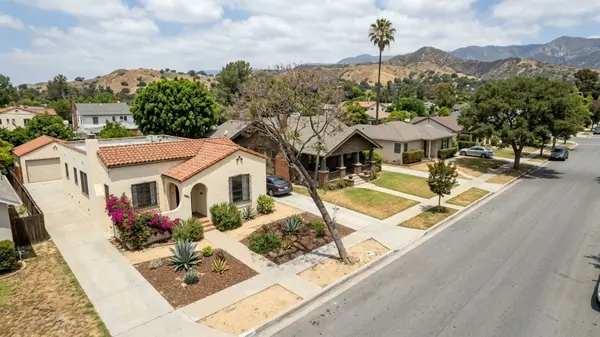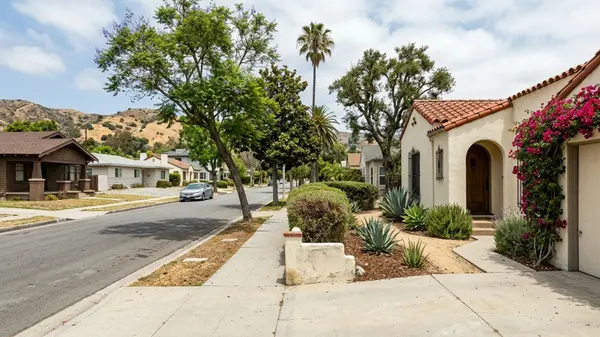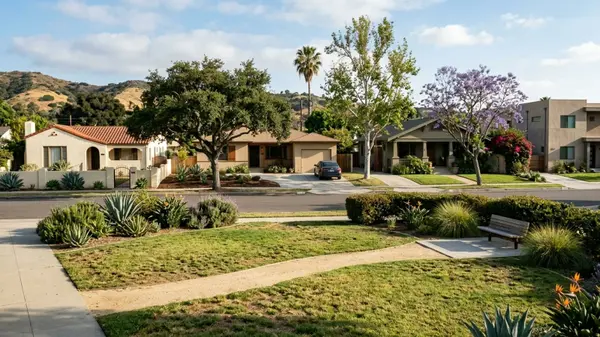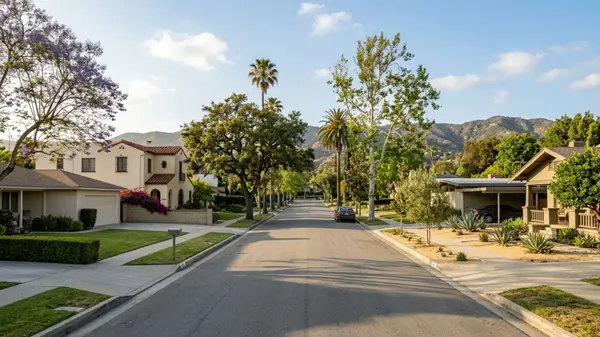
The Reality of How to Build My Own Home in Los Angeles CA in 2026
Taking on a custom construction project in Southern California is a major financial and logistical commitment. Buyers often wonder exactly what it takes to turn an empty lot into a finished property within the city limits. The process involves navigating strict zoning laws, managing complex budgets, and understanding local permit requirements.
As of 2026, the local real estate landscape requires careful planning to successfully execute a ground-up build. Securing the right financing and assembling a reliable team of experts will dictate the success of your project. Knowing the exact steps required by the state of California and local municipal codes ensures your project stays on track and within budget.
Understanding the Cost to Build a House in Los Angeles, CA
Creating an accurate budget is the most critical step when planning a new construction project. In 2026, construction costs in the Los Angeles area generally range from $400 to well over $600 per square foot. This baseline figure fluctuates heavily based on the method of construction and the quality of your interior finishes.
A comprehensive budget must account for both hard costs and soft costs. Hard costs cover the physical building materials, framing, labor, and high-end finishes that bring your floor plans to life. Soft costs typically consume 10% to 20% of your total budget, covering architectural fees, structural engineering, and municipal permit fees.
Securing the right loan is equally important, as standard mortgages do not cover ground-up builds. Buyers typically rely on specialized construction loans that release funds in scheduled draws as the builder completes specific milestones. My strongest advice for any buyer is to lock in a contingency fund of at least 15% to absorb unexpected material price spikes.
Acquiring Vacant Land in Los Angeles County
Finding a buildable lot requires looking past the initial asking price to understand the true cost of preparation. Median list prices for vacant land in Los Angeles County sit at approximately $975,000 this year, though remote parcels can be acquired for less. Working with a real estate agent experienced in land acquisitions is essential to avoid purchasing an unbuildable property.
The final cost of your land heavily depends on utility connections, soil conditions, and grading requirements. A cheaper lot on a steep incline often requires massive investments in retaining walls and drainage systems. Buyers must factor these site preparation costs into their initial land acquisition budget.
Evaluating Neighborhood Features and Commute Times
Geographic location dictates daily logistics just as much as it influences property equity. Evaluating commute times along major arteries like the 405, 10, and 101 freeways is a mandatory step before finalizing a land purchase. Morning peak traffic between 7:00 AM and 10:00 AM heavily impacts travel times to major employment centers like Downtown LA and Century City.
Buyers should physically drive their anticipated commute during rush hour rather than relying solely on map applications. A lot tucked away in a scenic canyon might look perfect on paper, but a grueling daily drive can quickly change your perspective. Prioritizing highway access and public transit nodes ensures the property remains practical for long-term daily use.
Proximity to Public Amenities and LAUSD Boundaries
Mapping objective civic boundaries helps buyers understand the long-term value of their chosen location. The Los Angeles Unified School District is the second-largest district in the nation, covering 710 square miles of territory. Verifying your exact alignment with these boundaries using city geodata ensures you know exactly which municipal services apply to your address.
Evaluating nearby public resources is a practical way to assess the daily convenience of a neighborhood.
-
Confirm the physical driving distance to major recreation areas like Griffith Park.
-
Map the proximity to essential services, grocery centers, and healthcare facilities.
-
Verify the distance to public transit nodes and dedicated commuter rail lines.
Navigating the LADBS Permit Process
Securing construction permits through the Los Angeles Department of Building and Safety requires patience and strict attention to detail. The process begins by submitting your architectural floor plans to the LADBS web portal for a comprehensive plan check. Regular plan checks for standard residential projects typically take 15 to 30 business days to complete.
A successful permit application also requires mandatory clearances from other municipal departments, including Public Works and City Planning. Once construction begins, the city mandates specific inspection phases covering everything from the foundation pour to the electrical installation. Moving into the property is strictly prohibited until the building official issues a final sign-off and certificate of occupancy.
The biggest mistake a property owner can make is assuming the permit timeline will perfectly match their ideal schedule. Delays in securing inter-departmental clearances will stall a project for months if not managed proactively.
Zoning Laws and the Baseline Hillside Ordinance
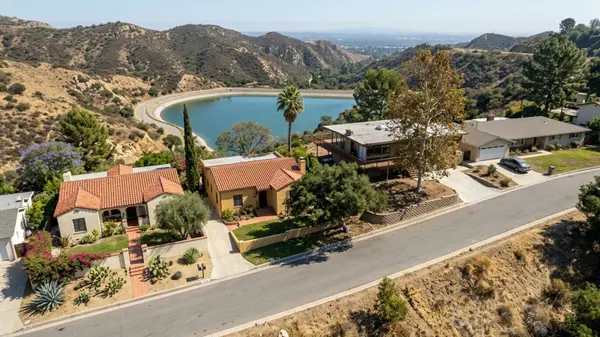
Navigating local zoning laws is especially complex when building on sloped or elevated terrain. The Baseline Hillside Ordinance restricts grading volume, maximum residential floor area, and structural height to maintain the integrity of hillside communities. Hillside permit approvals routinely take 6 to 12 months due to these rigorous structural engineering requirements.
Engineering a sloped lot requires extensive soil reports, deep caissons, and specialized earthquake stabilization measures. Zoning rules also govern future property expansion, dictating lot size minimums and the potential for adding accessory dwelling units. Understanding these municipal restrictions early prevents costly redesigns during the architectural planning phase.
The Owner-Builder Exemption: Can I Build My Own House?
Many ambitious buyers explore the idea of acting as their own general contractor to build sweat equity. California Business and Professions Code Section 7044 outlines the legal framework for the owner-builder exemption. This licensure exemption allows property owners to manage their own construction without holding a formal state contractor license.
Utilizing this exemption means assuming total legal liability for the project, including pulling construction permits and managing workplace safety. An owner-builder can legally hire a licensed general contractor or licensed subcontractors to perform the actual physical trade work. This approach requires an immense time commitment to coordinate schedules, manage material deliveries, and oversee the installation process.
The state of California enforces strict rules regarding the intent behind an owner-builder project. The property must be intended as your principal place of residence rather than an immediate resale or spec home. Attempting to build and immediately flip a house under this exemption violates state regulations and carries severe financial penalties.
Frequently Asked Questions About Building in LA
Is $200,000 enough to build a house in Los Angeles, CA?
A budget of $200,000 is not sufficient to build a standard single-family home in Los Angeles in 2026. With current construction costs averaging $400 to $600 per square foot, this amount would barely cover a tiny accessory dwelling unit. Buyers must secure substantially more capital to cover land acquisition, soft costs, and ground-up construction.
Is an owner-builder required to have a license in California?
An owner-builder is legally exempt from holding a state contractor license under specific conditions. You must intend to use the property as your principal place of residence, not as a quick resale project. However, any subcontractors you hire to perform specialized trade work must hold active licenses with the state.
How long does it typically take to build a house in Los Angeles?
Building a custom home in Los Angeles typically takes 18 to 24 months from the initial land purchase to the final move-in date. The LADBS permit process alone can consume 6 to 12 months, especially for hillside properties requiring complex engineering. The physical construction phase generally takes another 10 to 14 months, depending on weather and material availability.
Categories
Recent Posts