Navigating 2026: A Buyer's Guide to New Home Developments in Los Angeles CA
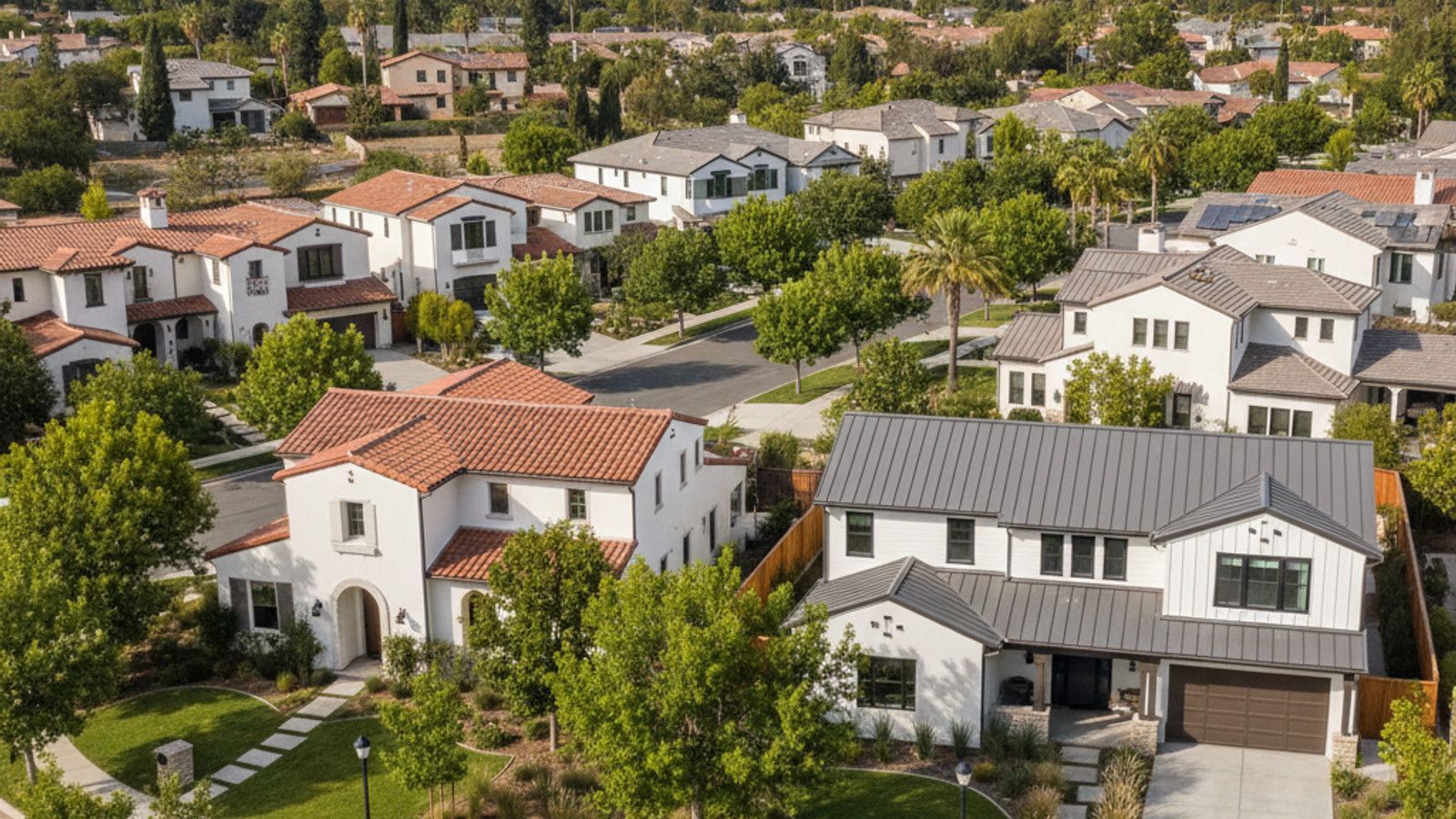
The Los Angeles real estate landscape is shifting rapidly as we navigate the spring of 2026. Buyers looking for modern floor plans and energy-efficient designs are increasingly turning their attention to new construction across Southern California. These fresh properties offer a compelling alternative to the aging housing stock that dominates much of Los Angeles County, California.
Navigating the market for new home developments in Los Angeles CA requires a solid understanding of current pricing, builder incentives, and neighborhood dynamics. Whether you are looking for a high-rise in the urban core or a detached property in the suburbs, the inventory is more diverse than it has been in recent years. Understanding these local nuances will help you make a confident, well-informed investment.
Historically, buyers have focused on the resale market, but data from last year showed a noticeable pivot toward new builds. That momentum has carried into this year, driven by purchasers who want turnkey properties without the hassle of immediate renovations. As we examine the current options, it becomes clear that new construction offers distinct financial and lifestyle benefits.
Finding the right property requires patience and a clear understanding of your long-term goals in Southern California. The San Gabriel Valley and other emerging sub-markets are also seeing localized bursts of new construction activity. Expanding your search radius slightly can reveal hidden opportunities that align perfectly with your budget and lifestyle requirements.
Exploring New Home Developments in Los Angeles CA
The 2026 new construction real estate market in Los Angeles is distinctly segmented into two main categories. Buyers will generally choose between high-density urban projects in central neighborhoods and suburban master-planned developments on the city's outer edges. This division allows purchasers to prioritize either walkability and transit access or larger lot sizes and private outdoor space.
Current base prices reflect the reality of a high-demand market, but buyers are finding unique advantages in this sector. Purchasing new construction in 2026 offers significant relief from the exhausting bidding wars often seen in the local resale market. Locking in a base price directly with a builder provides a predictable path to homeownership without the stress of escalating counter-offers.
Another major draw is the integration of modern building materials and smart home technology from the ground up. Today's builders are required to meet strict California environmental standards, resulting in homes that are highly energy-efficient. These modern construction techniques ultimately translate to lower monthly utility bills and a reduced carbon footprint for the homeowner.
High-Rise Condos in Downtown Los Angeles
The Downtown Los Angeles core continues to see the completion of impressive new high-rise condominium developments. These vertical communities maximize limited urban space while providing residents with sweeping views of the city skyline. Objective price ranges for these units typically start around $700,000 for standard one-bedroom layouts and scale up to well over $2,000,000 for expansive luxury penthouses.
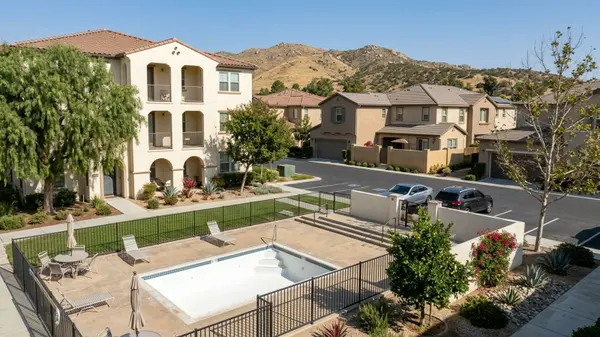
Modern downtown projects heavily emphasize lifestyle amenities like rooftop decks, integrated smart home technology, and 24-hour concierge services. Buyers should budget carefully for associated carrying costs, as average 2026 HOA fees establish a baseline of roughly $340 to $388 per month. In premium luxury high-rises, these monthly association dues frequently exceed $1,000.
Parking is another crucial consideration when evaluating these high-density urban properties. Most new downtown developments include secure subterranean parking, but extra spaces often come at a significant premium. Buyers should confirm parking deed details early in the purchasing process to avoid unexpected logistical headaches after moving in.
Townhomes and Infill Projects on the Westside
The Westside of Los Angeles suffers from severe land scarcity, making new townhome communities and smaller infill projects highly sought-after. Developers in this region focus on maximizing square footage on smaller footprints, resulting in multi-level properties with private attached garages. Due to the exceptionally high land costs, current objective price ranges for these Westside homes frequently start between $1,500,000 and $2,500,000.
High price-per-square-foot metrics are standard for West LA, but builders justify these costs with premium interior finishes. Buyers can expect high-end inclusions like quartz countertops, primary suites with dual sinks, and advanced energy-efficient HVAC systems. These modern upgrades provide immediate comfort and help reduce long-term utility expenses.
Outdoor space is typically limited in these infill projects, often restricted to modest balconies or compact rooftop decks. However, developers strategically locate these properties near established commercial corridors to offset the lack of private yards. This proximity allows residents to easily walk to local dining and shopping centers without relying on a vehicle.
Single-Family Homes in the San Fernando Valley
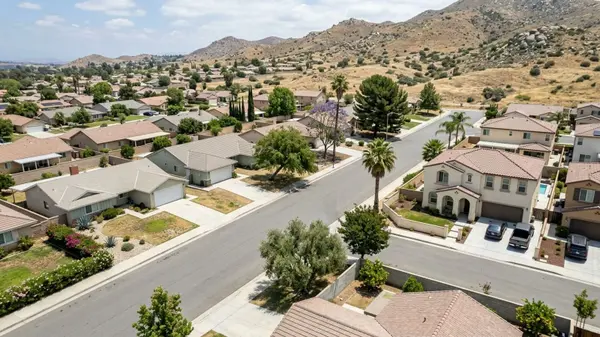
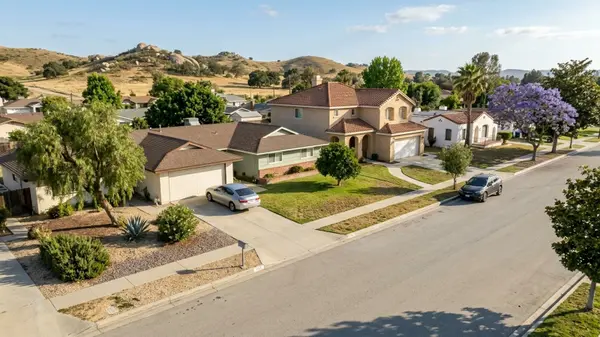
Buyers seeking detached living are looking closely at the expansion of single-family subdivisions in the San Fernando Valley. Communities in areas like Porter Ranch and Granada Hills offer a stark contrast to the dense urban core. Current objective price ranges in the Valley generally span from $800,000 to $1,500,000 or more for newly built detached homes.
These suburban properties cater to buyers prioritizing space, featuring larger lot sizes and attached multi-car garages. Many builders in this region also offer move-in ready options for purchasers who cannot wait for a standard six-month construction timeline. The combination of private yards and modern floor plans makes the Valley a strong contender for long-term residential investment.
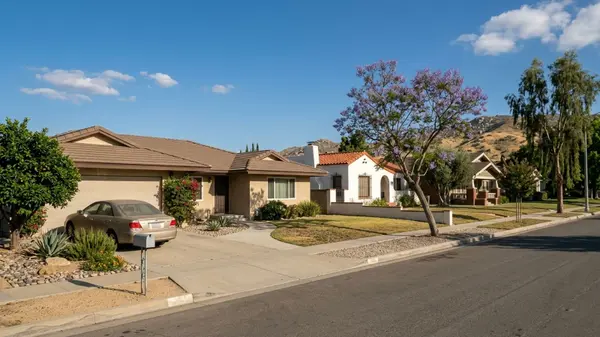
The architectural styles in these new suburban developments heavily favor modern farmhouse and contemporary Spanish designs. Builders are moving away from the cookie-cutter aesthetics of past decades, offering diverse exterior elevations within the same subdivision. This variety creates more visually appealing neighborhoods and helps individual properties maintain stronger resale value over time.
Major Home Builders Shaping Los Angeles
The Los Angeles market is anchored by several prominent national and regional homebuilders who dictate the pace of new inventory. These companies bring massive capital and streamlined construction processes to a region notoriously difficult to build in. Their presence ensures a steady pipeline of new housing stock across Los Angeles County.
Navigating the builder landscape requires knowing which company specializes in the specific property type you want to purchase. Many of these developers are currently offering aggressive 2026 builder incentives, such as interest rate buy-downs or closing cost assistance, to attract qualified buyers. These financial incentives can dramatically lower your initial down payment or reduce your monthly mortgage obligation.
Evaluating a builder's reputation and post-closing support is just as important as analyzing their floor plans. My strong takeaway is that buyers should aggressively leverage comprehensive builder warranties to completely offset initial home maintenance costs during the first few years of ownership. Understanding the specific focus of each developer will streamline your property search and help you identify the right community.
Touring model homes is an essential step in evaluating the build quality of these different developers. Pay close attention to the standard finishes versus the upgraded options showcased in the model units. Asking the sales representative for a detailed list of standard inclusions will prevent budget surprises during the design center phase.
-
Toll Brothers: Focuses heavily on luxury single-family estates and premium gated communities, particularly in the outer suburban rings.
-
Lennar: Known for their comprehensive pricing model, building a mix of single-family subdivisions and attached communities with smart home tech built-in.
-
Pulte: Concentrates on efficient, modern floor plans that maximize usable space, often building in master-planned developments.
-
Olson Homes: Specializes in urban transit-oriented townhomes and infill projects that prioritize walkability in dense Los Angeles neighborhoods.
Transportation Infrastructure and Commute Times
Evaluating a new home purchase in Southern California requires an objective look at commuting logistics and regional transit infrastructure. The average Los Angeles commute currently sits at roughly 33 to 45 minutes each way, though this varies wildly depending on your exact location. Understanding how a new development connects to major employment hubs is crucial for assessing its true value.
Driving remains the dominant mode of transportation, with the 405, 10, and 101 freeways serving as the primary arteries. During 2026 peak hours, residents commuting from the San Fernando Valley to the Westside or Downtown via the 101 or 405 should expect transit times of 45 to 60 minutes or more. Buyers must physically test their anticipated commute during rush hour before committing to a suburban subdivision.
The ongoing expansion of the Los Angeles public transit system offers a growing alternative to freeway gridlock. Many new urban infill projects boast proximity to Metro Rail stations, specifically along the B, E, and D lines. Utilizing these rail networks can drastically reduce daily travel stress and lower automotive expenses.
Access to reliable public transit is reshaping how real estate is valued across the county. Proximity to a Metro Rail station adds significant long-term value to a new home investment in LA, providing a hedge against future traffic congestion. Properties located within walking distance of these transit hubs historically maintain stronger resale demand regardless of broader market fluctuations.
Community Amenities, Healthcare, and Education
Beyond the property line, the value of new construction is heavily influenced by its distance to established local amenities. Los Angeles is a sprawling metropolis, meaning geographic proximity to parks, hospitals, and specific school districts plays a massive role in real estate pricing. Buyers must verify exact mileages and drive times rather than relying on a map's visual estimation.
Access to outdoor recreation is a major selling point for many new developments across the region. Depending on the neighborhood, major new construction hubs are typically located 5 to 15 miles from Griffith Park, offering thousands of acres of trails and green space. Local parks and hiking trails provide essential outdoor escapes from the dense urban environment.
Buyers also consistently prioritize proximity to top-tier healthcare facilities when selecting a new neighborhood. Access to comprehensive medical care is a crucial logistical consideration for any long-term real estate purchase. For instance, many Westside developments highlight their short drive times to the renowned Cedars-Sinai Medical Center located in West Hollywood.
Public education boundaries are another critical factor for buyers evaluating different zip codes. The Los Angeles Unified School District (LAUSD) covers a massive geographic scope, but individual school assignments vary drastically from street to street. Verifying exact LAUSD boundaries before purchasing is absolutely critical, as zone lines can shift and directly impact property resale value.
Frequently Asked Questions
Do Los Angeles home builders offer a home warranty?
Yes, builders in California are required by law to provide specific warranties on new construction properties. Most developers offer a standard one-year warranty covering workmanship and materials, alongside a ten-year structural warranty. These guarantees provide significant peace of mind and protect buyers from unexpected repair costs during their initial years of ownership.
Where can I find move-in ready new homes in Los Angeles, CA?
Move-in ready inventory, often called quick move-in homes, can typically be found in larger master-planned communities in the San Fernando Valley or Santa Clarita. These are properties where the builder has already completed construction and selected the interior finishes. Purchasing one of these homes allows buyers to secure a 2026 interest rate immediately without waiting for a lengthy build cycle.
What are the challenges of buying a new home in Los Angeles?
The primary challenges involve severe land scarcity and the resulting high base prices for new developments. Buyers must also account for rising 2026 HOA fees, which can significantly impact a monthly mortgage payment. Navigating complex builder contracts and securing a property before it sells out requires decisive action and strong local market knowledge.
Categories
Recent Posts