Navigating HOA Fees Los Angeles CA: What Buyers Must Know in 2026
Purchasing a condominium or townhome in Southern California involves much more than just calculating your monthly mortgage payment. Buyers must also carefully evaluate the monthly association dues required to maintain the property and its shared spaces. These recurring costs directly impact your purchasing power and play a massive role in your long-term financial planning.
When researching HOA fees Los Angeles CA, prospective buyers quickly realize that these costs vary dramatically by neighborhood. A higher monthly fee might represent a better value if it includes robust insurance coverage and a fully funded reserve. We will explore what local buyers should expect to pay this year and how state regulations protect your real estate investment.
Average HOA Fees in Los Angeles for 2026
The overall cost of living in Southern California naturally extends to the expenses required to maintain shared community spaces. Association dues in the region consistently trend higher than the national average due to elevated local labor rates and climbing insurance premiums. Buyers entering the market this year should be prepared for these realities when browsing available listings.
For standard condominium units across the city, average starting ranges currently land between $340 and $510 per month. This baseline typically covers basic operational costs for mid-sized complexes without extensive luxury amenities. However, these figures represent a starting point rather than a strict rule for every local neighborhood.
Location within the county dictates a massive portion of these baseline expenses. Coastal properties face corrosive salt air that accelerates exterior wear, requiring larger annual maintenance budgets. Conversely, inland properties might spend significantly more on water and landscaping to combat the intense summer heat.
Comparing High-Rises to Townhome Communities
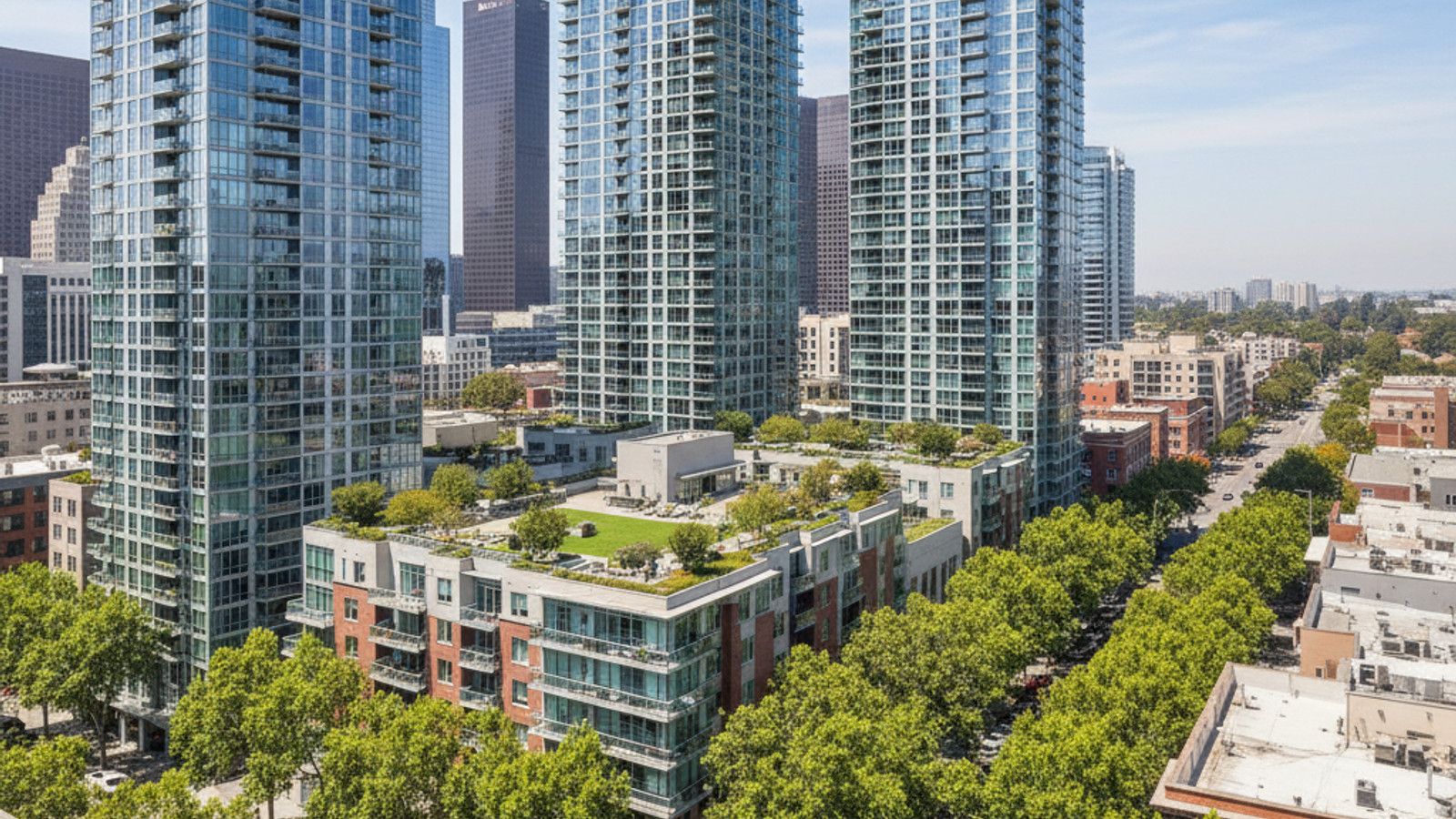
Property style and location dramatically influence your monthly financial obligations. Luxury high-rise condominiums in Downtown Los Angeles and Century City feature extensive amenities that push monthly dues well past the $1,000 mark. These buildings often staff 24-hour security, valet parking, and on-site management personnel.
Conversely, townhome communities in the San Fernando Valley typically maintain fewer premium amenities, which helps keep recurring costs more manageable. Older complexes in neighborhoods like Sherman Oaks or Pasadena might advertise lower base fees initially. Buyers should remain cautious with older buildings, as artificially low dues often signal a higher risk of unexpected special assessments later.
Buyers exploring the Wilshire Corridor will encounter some of the highest recurring dues in the state. These premium towers provide a resort-like experience, but the financial commitment is substantial. Understanding your personal lifestyle needs helps determine if these luxury premiums are truly worthwhile for your daily routine.
How HOA Dues Impact Your Housing Budget
Your monthly association payment plays a major role in your overall mortgage approval process. Lenders factor this exact recurring cost into your debt-to-income ratio when determining your maximum loan amount. A higher monthly due directly reduces the principal loan amount you can successfully secure from a bank.
For example, adding a $600 monthly fee to your budget significantly limits your baseline purchasing power. Buyers should factor these association costs into their total cost of living calculations before falling in love with a property. A cheaper condo with exorbitant dues often costs more monthly than a slightly pricier home with a leaner association budget.
Real estate agents strongly advise clients to shop based on the total monthly payment rather than just the listing price. A $500,000 condo with a $400 monthly due is financially different from a $500,000 condo with an $800 due. Failing to account for this difference can lead to a swift mortgage denial during the underwriting phase.
What Do Los Angeles Condo HOA Fees Typically Cover?
The core purpose of any homeowners association is pooling funds for shared upkeep and long-term structural maintenance. When hundreds of residents contribute to a single operating budget, the community can afford large-scale repairs that would financially overwhelm an individual. This collective approach preserves the overall property value for everyone involved.
Exact coverage varies widely based on the specific governing documents of each complex. Buyers should never assume two buildings offer the same services just because their monthly fees are identical. Reviewing the specific inclusions is a mandatory step during the escrow period.
Management company fees also represent a significant line item in the annual budget. Professional oversight ensures that vendors are paid on time and that the community remains compliant with state regulations. Self-managed buildings might boast lower dues, but they often lack the professional guidance necessary to navigate complex legal disputes.
Essential Maintenance, Utilities, and Insurance
The largest portion of a community budget goes toward non-negotiable operational costs and infrastructure preservation. These baseline expenses keep the building functional, compliant with local codes, and legally protected. A typical Los Angeles association budget will fund several major categories:
-
Municipal utilities, including water, sewer, and centralized trash collection.
-
Routine landscaping, exterior building maintenance, and subterranean parking upkeep.
-
Master insurance policies covering the physical structure and shared liability.
-
Specialized earthquake insurance policies, which carry steep premiums in Southern California.
Securing these baseline services collectively often costs less than hiring independent contractors for a detached property. This built-in efficiency remains a primary financial benefit of purchasing an attached home. Reviewing these utility inclusions can help buyers accurately project their independent monthly bills.
Community Amenities and the Reserve Fund
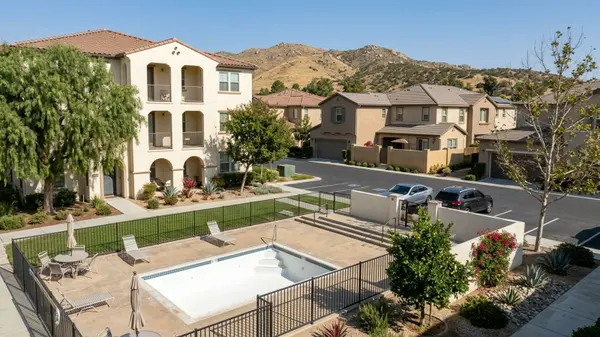
Beyond bare essentials, dues also pay for the lifestyle features that make a specific complex desirable. This includes daily maintenance for community pools, fitness centers, tennis courts, and any concierge services. Properties with extensive recreational facilities will naturally require higher dues to keep those spaces clean and functional.
An equally important portion of your payment goes directly into the community reserve fund. This specialized savings account pays for future capital improvements and frequent repairs like roof replacements or elevator modernization. A well-funded reserve prevents surprise out-of-pocket costs for condo owners when major systems eventually fail.
California law requires associations to conduct comprehensive reserve studies every three years. These detailed reports project the lifespan of major components like roofs, boilers, and elevator motors. A healthy reserve fund ensures the community has liquid cash ready when these inevitable replacements occur.
California HOA Laws and Fee Increase Limits in 2026
Navigating association costs in California comes with specific legislative protections designed to shield property owners. The Davis-Stirling Common Interest Development Act serves as the primary legal framework governing how these communities operate. This comprehensive legislation dictates everything from board meeting procedures to financial disclosures.
State laws provide a clear framework to protect property values while actively preventing predatory fee increases. Management companies and elected boards cannot simply double your dues overnight because they mismanaged the budget. Understanding these legal boundaries helps buyers forecast their long-term housing expenses accurately.
The regulatory landscape in California requires strict transparency regarding community finances and governance. Sellers must provide buyers with a massive packet of governing documents during the escrow period. These files include recent budgets, meeting minutes, and reserve studies that reveal the true financial health of the association.
Understanding Annual Caps and Special Assessments
California strictly regulates how much an association can raise its regular dues in a single calendar year. Boards face a 20 percent annual limit on regular assessment increases unless they secure a majority vote from the membership. This ceiling ensures that year-over-year housing costs remain relatively predictable for all homeowners.
The state also enforces a strict 5 percent cap on special assessments relative to the gross budgeted expenses for that year. If a building needs emergency funding beyond that threshold, the board must put the measure to a community vote. Savvy buyers should always review recent reserve studies to gauge the likelihood of an upcoming special assessment before closing escrow.
Special assessments function as a separate, temporary charge levied to cover unexpected shortfalls. These emergency funds are typically required when a major system fails and the reserve account lacks sufficient capital. Thoroughly investigating a building's financial history helps buyers avoid purchasing into a community on the brink of a massive assessment.
Frequently Asked Questions
Is a $600 per month HOA fee considered average or high in Los Angeles, CA?
A $600 monthly fee sits slightly above the average baseline for standard units, but it remains incredibly common in the current market. This amount is standard for properties offering moderate amenities like a community pool or secured subterranean parking. In premium neighborhoods or luxury high-rises, this figure would be considered remarkably low.
Do California HOA fees include earthquake insurance?
Not all associations carry earthquake insurance because state law does not mandate this specific coverage. Many complexes opt out entirely due to the exceptionally high insurance premiums required in Southern California. Buyers should read the governing documents carefully to verify whether the master policy includes seismic coverage.
Are HOA fees tax-deductible in California?
For a primary residence, association dues are generally not tax-deductible on your personal income returns. The rules change if you operate a legitimate rental property or use part of your home exclusively for business. Investors can typically write off these monthly management expenses as standard operational costs for their real estate business.
Categories
Recent Posts