Navigating the 2026 Market: The Average Rent in Los Angeles CA
Securing an apartment in Southern California requires understanding exactly where the market stands right now. As we move through 2026, the rental landscape across the city continues to shift in response to new housing developments and changing transit infrastructure. Renters need to look beyond the baseline asking prices to calculate the true cost of securing a lease.
Finding the right space means analyzing everything from neighborhood premiums to strict new state laws governing upfront costs. The average rent in Los Angeles CA varies drastically depending on whether you are looking for a high-rise downtown or a quiet garden-style unit in the valley. Knowing these localized price points is the only way to negotiate a lease with confidence.
2026 Average Rent in Los Angeles by Bedroom Count
Across the entire city, the overall average rent for an apartment currently hovers between $2,655 and $2,742 per month. This baseline figure gives a general sense of the market, but actual costs depend heavily on the footprint of the unit. Rent trends this year show that landlords are pricing units tightly based on exact square feet rather than just the bedroom count.
Renters looking for a studio apartment can expect to pay approximately $1,700 to $1,959 monthly. Upgrading to a 1-bedroom apartment pushes the average rent up to a range of $2,184 to $2,535. These smaller units typically offer between 500 and 700 square feet of living space.
Those requiring more room will see a significant jump in their monthly rent obligations. A standard 2-bedroom unit averages between $3,021 and $3,345, while a spacious 3-bedroom apartment demands roughly $4,282 to $4,322 per month. Data from last year showed a steady climb in multi-bedroom prices, and that trajectory has carried into 2026 as demand for dedicated home offices remains high.
The clear takeaway for anyone signing a lease this year is that space comes at an absolute premium. Moving from a one-bedroom to a two-bedroom unit adds nearly $1,000 to your monthly housing budget.
Rent Prices Across Popular Los Angeles Neighborhoods
Geography is the single biggest factor dictating the rent price in Los Angeles. Premium districts command top dollar, with West Hollywood routinely seeing average overall rents exceeding $3,000. Similarly, securing a 1-bedroom apartment in DTLA generally requires a budget of around $2,700 per month.
Mid-tier options provide a balance of location and cost, though they remain highly competitive. Areas like Silver Lake, Koreatown, and Mid-Wilshire, Los Angeles, typically see 1-bedroom units lease for $2,400 to $2,500. These neighborhoods offer dense, walkable environments with extensive dining and retail options.
Renters seeking budget-friendly options will find the most relief by looking toward the San Fernando Valley. Affordable neighborhoods like Sherman Oaks, Los Angeles, and Van Nuys frequently offer average rents under $2,000 for a standard unit. Crossing the hills into the valley consistently yields more square footage for the dollar compared to the Westside premium found in Westwood or Culver City.
How Freeways and Transit Corridors Impact Rent Costs
Objective location features fundamentally shape a landlord's pricing strategy in Southern California. Proximity to major transit arteries like the I-10 and I-405 dramatically affects commute viability and, by extension, rental demand. Apartments located within a half-mile of these critical freeway on-ramps often carry a slight premium due to the sheer convenience they offer drivers.
Public transportation access is also reshaping the rental market trends across the basin. Buildings within walking distance of Metro Rail lines command higher monthly rates than identical properties situated miles from a station. Renters are increasingly willing to pay more for the option to bypass daily traffic gridlock.
Walkability scores and direct access to major employment centers further drive up the leasehold estate value. Units located adjacent to major grocery store chains or retail hubs consistently lease faster and for higher amounts. The takeaway here is that paying a slightly higher rent for transit proximity often offsets the financial and time costs of a long daily commute.
Property Types: High-Rises vs. Bungalow Duplexes
The physical style of the building plays a massive role in determining your monthly housing costs. Newer high-rise apartments, which are incredibly common in DTLA and Koreatown, sit at the top of the pricing spectrum. These modern towers factor the cost of expansive views and advanced security systems into the base rent.
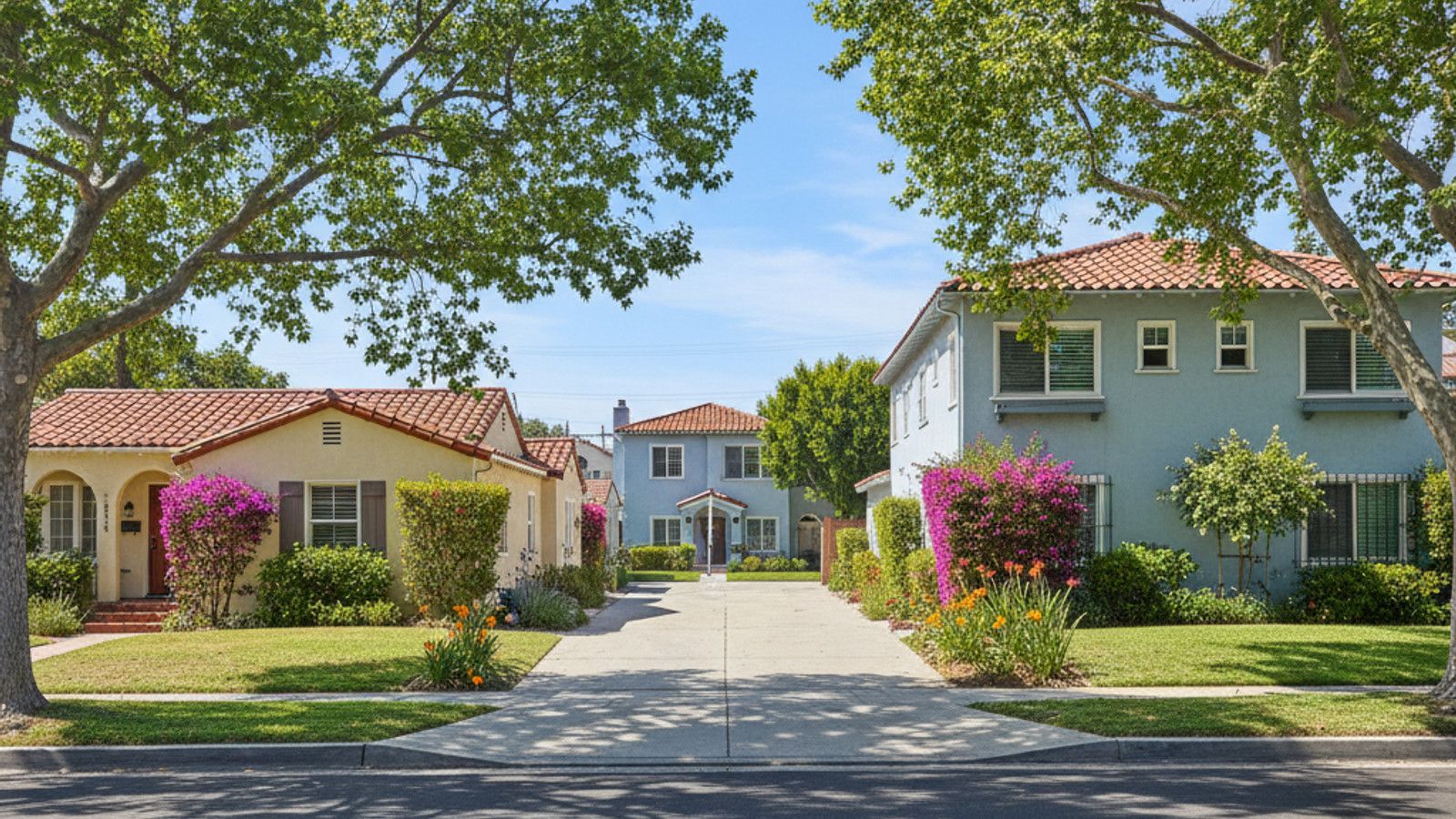
Older bungalow-style duplexes and fourplexes offer an entirely different living experience, often at a slightly lower price point. These classic Los Angeles properties typically provide more charm and sometimes include private outdoor space, but they usually lack central air conditioning or covered parking. Single-family homes available for rent push the price ceiling even higher due to their exclusive lot access and maximum square footage.
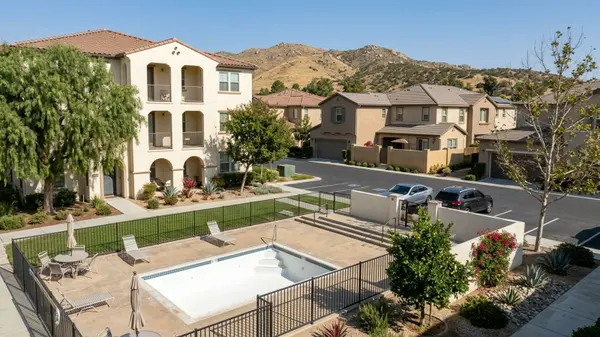
On-site amenities are the final variable that pushes the average apartment rent higher. Buildings featuring resort-style pools, fitness centers, and in-unit laundry facilities consistently charge a premium over basic multi-unit buildings. Renters must decide if they will actually use these shared amenities enough to justify the higher monthly rent.
Additional Rental Costs and Lease Requirements
The base rent listed on an advertisement rarely represents the total monthly cost of living in Los Angeles. Renters must factor in a variety of mandatory expenses and upfront capital requirements before signing a lease. Understanding these hidden costs is essential for building an accurate housing budget in 2026.
Beyond the rent itself, applicants should prepare for several standard financial requirements:
-
Security Deposits: Thanks to state legislation fully in effect for 2026, California landlords are strictly capped at charging a maximum of one month's rent for a security deposit.
-
Utility Bills: Monthly costs for electricity, water, sewer, and trash typically average between $150 and $480, heavily dependent on the unit size and daily HVAC usage.
-
Parking Fees: Guaranteed off-street parking spots are frequently excluded from the base rent and can add an extra monthly charge to your lease agreement.
-
Administrative Fees: Upfront costs usually include non-refundable application fees and standard tenant screening charges.
The strict cap on security deposits is a massive win for renters this year, significantly lowering the barrier to entry for a new apartment. However, the variable costs of utilities and parking mean you must review the lease agreement carefully to see exactly what is included.
Frequently Asked Questions About Renting in LA
What salary do I need to afford rent in Los Angeles?
Most property management companies require your gross monthly income to be at least three times the monthly rent. To comfortably afford the overall average rent of $2,700, a renter would need an approximate gross salary of $97,200 per year. Falling short of this standard income rule usually requires securing a qualified co-signer.
What is the average rent for a 1 bedroom vs 2 bedroom in Los Angeles?
A standard 1-bedroom apartment currently averages between $2,184 and $2,535 per month. Upgrading to a 2-bedroom unit increases the average cost to roughly $3,021 to $3,345. This represents a substantial price jump, making roommates a financial necessity for many renters looking to secure a larger space.
What are the most affordable neighborhoods in Los Angeles?
The most budget-friendly rental markets are generally concentrated in the San Fernando Valley. Neighborhoods like Van Nuys and Sherman Oaks consistently offer unit averages under the $2,000 mark. These inland areas provide excellent value and larger floor plans compared to the coastal or downtown districts.
Categories
Recent Posts