The Ultimate Culver City Los Angeles CA Area Guide for 2026 Buyers
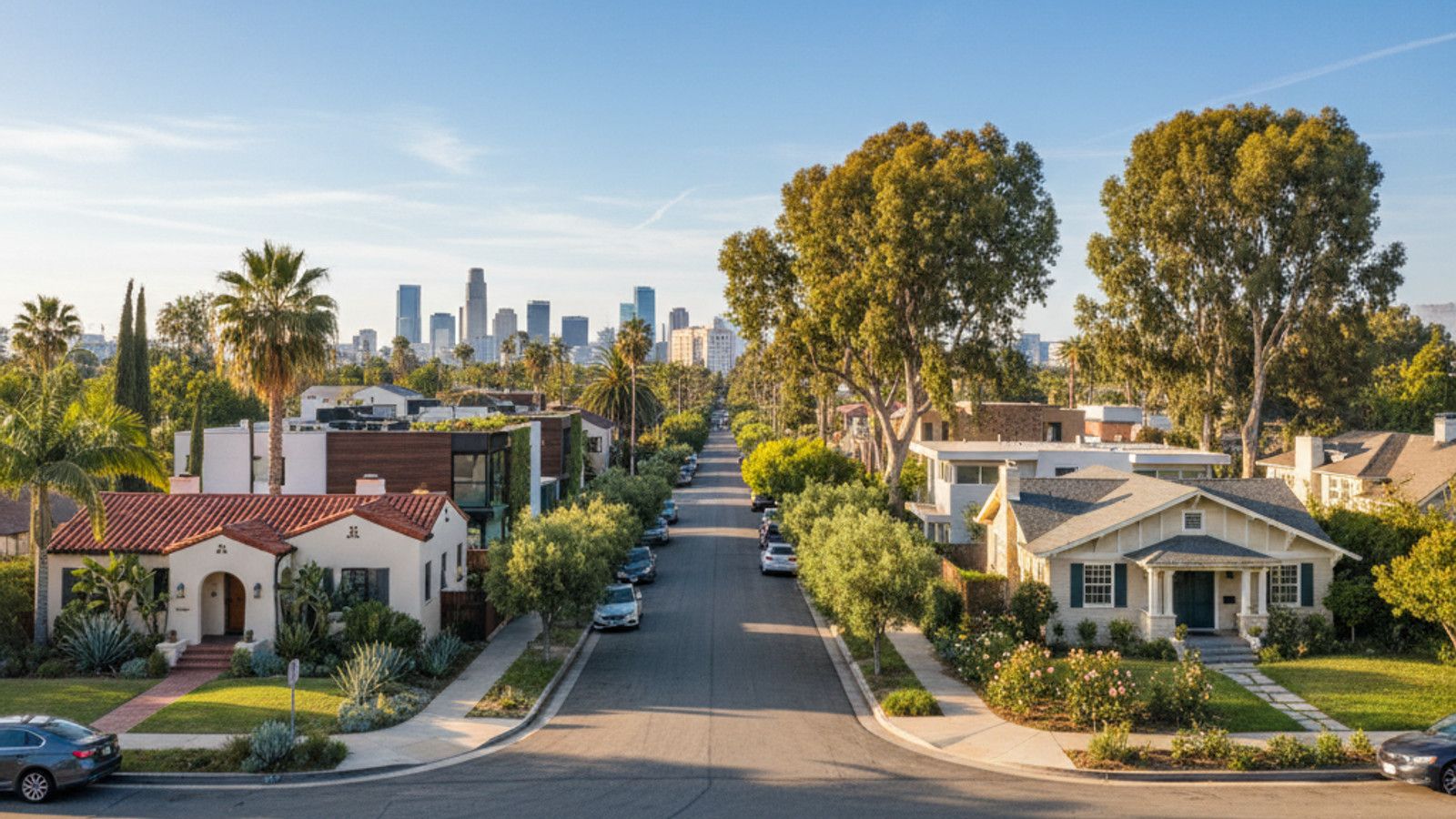
Nestled strategically between the coastal appeal of Santa Monica and the bustling core of Downtown LA, Culver City offers a distinct real estate landscape within Southern California. This vibrant enclave has evolved from its mid-century roots into a modern hub for technology, entertainment, and transit-oriented living. Buyers evaluating the local market will find a highly developed municipality that successfully balances historic preservation with rapid commercial growth.
Navigating the local housing market requires an understanding of its unique municipal structure and highly localized property values. Prospective homeowners exploring this region in 2026 will encounter a dynamic mix of historic architecture, newly developed condominiums, and extensive civic amenities. The combination of independent city services and a booming corporate sector creates a unique investment environment distinct from the surrounding Los Angeles neighborhoods.
Welcome to Culver City: An Independent Municipality in West LA
Geographically surrounded by the expansive City of Los Angeles, Culver City operates as a completely independent incorporated municipality. It maintains its own local government, civic services, and dedicated police and fire departments.
The city is widely recognized by its historical moniker, the Heart of Screenland, thanks to a century-long legacy of major film production. Today, those historic studio lots sit side-by-side with cutting-edge mixed-use developments and modern tech campuses.
This unique positioning provides residents with the cultural scale of a major metropolis while retaining the operational efficiency of a smaller town. Property owners benefit directly from localized zoning boards and dedicated city planning commissions that focus exclusively on this specific municipality.
Culver City's independent civic infrastructure and dedicated municipal services often translate to more streamlined local administration for homeowners compared to surrounding LA neighborhoods. Navigating permitting for home renovations or accessing local services is typically faster and more transparent when dealing directly with Culver City officials.
Culver City Real Estate Market and Property Types
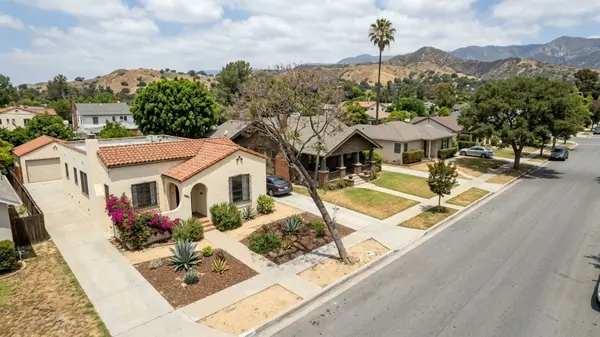
The current housing inventory spans a wide spectrum, with 2026 median single-family home prices generally ranging between $1,200,000 and $1,400,000. Properties in the central neighborhoods often feature historic mid-century architecture, traditional single-family layouts, and mature landscaping.
Buyers looking for attached housing will find strong condominium and townhome availability, particularly in the Fox Hills neighborhood. These 1970s-era complexes provide accessible entry points into the local market, while newer transit-oriented developments near Ivy Station offer premium, modern amenities.
The architectural diversity extends into specialized zones like the Hayden Tract, where industrial spaces have been converted into striking modern residences and creative offices. This blend of historic preservation and modern architectural innovation creates a highly varied property landscape for prospective investors.
Investors prioritizing entry-level price points should look toward Fox Hills, where condo values remain relatively approachable. Those seeking walkable, historic charm face higher premiums in the Downtown and Hayden Tract adjacent zones, but the investment yields immediate access to highly developed local infrastructure.
Overview of the Culver City Unified School District (CCUSD)
Unlike many surrounding neighborhoods that fall under the vast Los Angeles Unified footprint, this municipality operates the independent Culver City Unified School District. The district serves approximately 6,500 to 7,000 students across a concentrated network of local campuses.
The CCUSD infrastructure includes five elementary schools, one middle school, and one comprehensive high school. This compact structural design allows for focused administrative oversight and highly localized resource allocation across all grade levels.
Several of the elementary campuses offer specialized educational programming, including highly sought-after dual-language immersion tracks. These specialized academic pathways draw significant interest from homebuyers evaluating long-term educational options within the immediate area.
The self-contained nature of CCUSD is one of the strongest drivers of long-term real estate value in the city. This localized educational infrastructure insulates property demand from broader regional district fluctuations, maintaining consistent buyer interest year after year.
Transportation, Freeways, and Commute Times
Vehicular transit in the area benefits from immediate access to both the I-10 and I-405 freeways. This positioning allows for efficient travel to the Los Angeles International Airport and major employment centers across the Westside.
Public transit provides a robust alternative to freeway driving, anchored by the Metro E Line. Boarding at the Culver City Station allows riders to reach Downtown Los Angeles in approximately 26 to 30 minutes, bypassing standard rush-hour congestion entirely.
Local transit networks like the Culver CityBus and the Big Blue Bus further enhance this connectivity across surrounding neighborhoods. These dedicated bus routes provide essential first-mile and last-mile connections for residents navigating the broader Los Angeles basin without a personal vehicle.
The Metro E Line has fundamentally transformed the Culver City real estate market by converting what used to be a heavy traffic commute into a reliable, predictable transit ride to Downtown LA. Properties located within a short radius of the transit station command a distinct premium due to this modernized commuter accessibility.
Parks, Trails, and Outdoor Recreation
The local landscape features an impressive array of green spaces, anchored by the Kenneth Hahn State Recreation Area. This expansive park offers an extensive trail network, native landscaping, and panoramic views of the Los Angeles basin.
Just adjacent to the recreation area sits the Baldwin Hills Scenic Overlook, a major local fitness destination. The site is famous for the Culver City Stairs, a steep climb of 282 uneven concrete steps that rewards hikers with sweeping coastal and city vistas.
Cyclists and pedestrians frequently utilize the Ballona Creek Bike Path for dedicated, uninterrupted travel. This fully paved route extends directly from the city center to the Pacific Ocean, offering miles of protected pathways away from vehicular traffic.
The immediate proximity to Kenneth Hahn and the Ballona Creek Bike Path provides residents with outdoor acreage rarely found this far west in Southern California. Access to these expansive recreational facilities adds significant intrinsic value to properties located along the southern and western borders of the municipality.
Downtown Culver City Amenities and Local Infrastructure
The core commercial hub centers around the intersection of Washington Boulevard and Culver Boulevard. This pedestrian-friendly downtown sector features the Culver Steps, independent coffee shops, and several Michelin-recognized dining establishments.
Cultural and retail destinations are densely packed throughout the Culver City Arts District, including the historic Helms Bakery complex and the Platform retail center. Residents also have immediate access to unique cultural institutions like the Wende Museum and the Museum of Jurassic Technology.
Essential medical infrastructure is tightly integrated into the city grid, headlined by the Southern California Hospital at Culver City. Having comprehensive healthcare facilities located mere blocks from major residential zones adds a layer of practical convenience for local property owners.
The heavy concentration of walkable retail and high-end dining along Washington Boulevard creates a highly functional localized environment, minimizing the need for daily car use. This dense, 15-minute city layout ensures that residents can access premium groceries, entertainment, and essential services entirely on foot.
Major Employers and the 'Heart of Screenland'
Commercial real estate in the area is anchored by a massive entertainment and technology presence. Sony Pictures Studios and the iconic Culver Studios continue their decades-long legacy of major film and television production right in the center of town.
In recent years leading up to 2026, the corporate landscape has expanded to include major tech and streaming companies. Amazon Studios and Apple maintain significant regional hubs here, bringing thousands of high-paying jobs to the immediate vicinity.
The continuous expansion of these corporate headquarters sustains a robust demand for both purchase inventory and long-term rental properties. Professionals relocating to work at these major campuses frequently target immediate adjacent neighborhoods to minimize their daily commute times.
The sustained presence of multi-national entertainment and tech campuses acts as an economic anchor for the local housing market. This concentration of major employers ensures Culver City remains a high-demand market regardless of broader state real estate slowdowns, sustaining strong metrics for the foreseeable future.
Culver City Frequently Asked Questions
Is Culver City considered part of Los Angeles?
Culver City is located within Los Angeles County but is not part of the City of Los Angeles. It is an independently incorporated municipality with its own mayor, city council, and dedicated civic services. This distinction means residents pay local property taxes that fund Culver City's specific municipal infrastructure.
What is the commute time from Culver City to Downtown LA?
Taking the Metro E Line from the Culver City Station to the 7th Street/Metro Center in Downtown LA takes approximately 26 to 30 minutes. Driving times vary heavily based on traffic but generally range from 30 to 50 minutes via the I-10 freeway. This rail connectivity provides a highly predictable alternative for daily commuters.
Does Culver City have its own school district?
Yes, the city is served by the independent Culver City Unified School District rather than the Los Angeles Unified School District. The district manages five elementary schools, one middle school, and one high school. This localized educational system serves roughly 6,500 to 7,000 students and remains a primary draw for property buyers.
Categories
Recent Posts