The Ultimate Sherman Oaks Los Angeles, CA Area Guide for 2026 Buyers
Nestled at the northern base of the Santa Monica Mountains, Sherman Oaks offers a compelling mix of dense commercial corridors and lower-density residential streets. This San Fernando Valley neighborhood has long served as a crucial bridge between the sprawling valley floor and the bustling Westside. Buyers and renters looking at the local market in 2026 will find a highly accessible area defined by its proximity to major freeways and robust local amenities.
Navigating the local housing landscape requires understanding the distinct pockets that make up this community. The area is heavily defined by its relationship to Ventura Boulevard, which acts as both a commercial lifeline and a geographic dividing line for property types. Whether you are looking for a luxury hillside estate or a convenient transit-adjacent condominium, this overview provides the essential details you need to evaluate the area.
Welcome to Sherman Oaks: A Strategic Hub in the San Fernando Valley
Sherman Oaks occupies a prime geographic position at the southern edge of the San Fernando Valley. The neighborhood sits right at the critical intersection of the Interstate 405 and Interstate 101 freeways. This placement provides objective accessibility to the rest of Los Angeles, making it a highly practical home base for daily commuters.
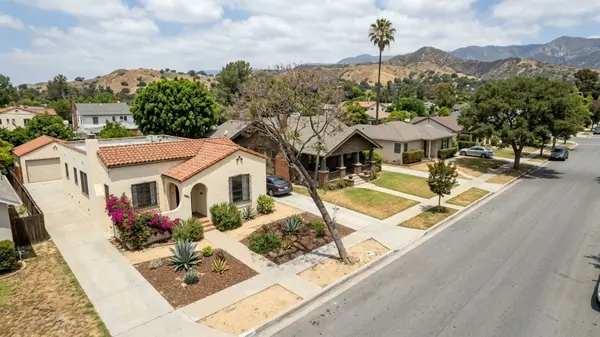
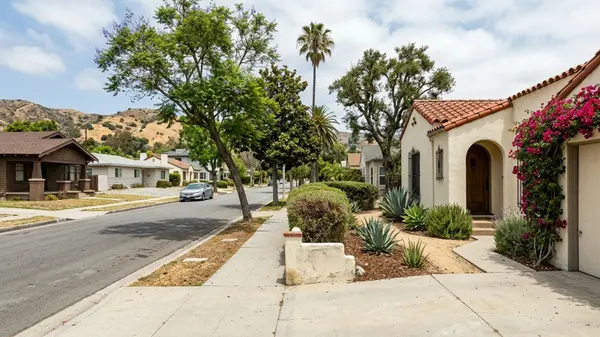
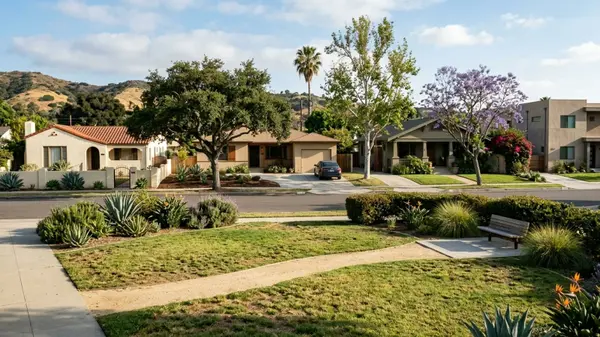
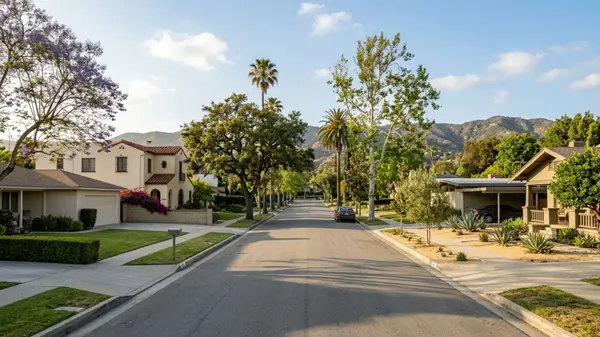
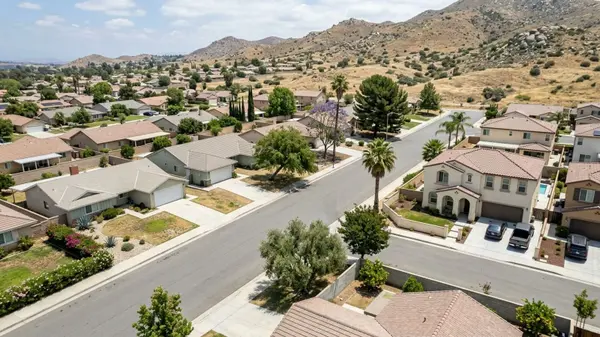
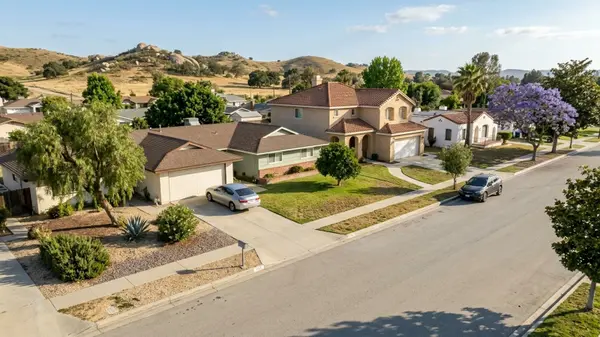
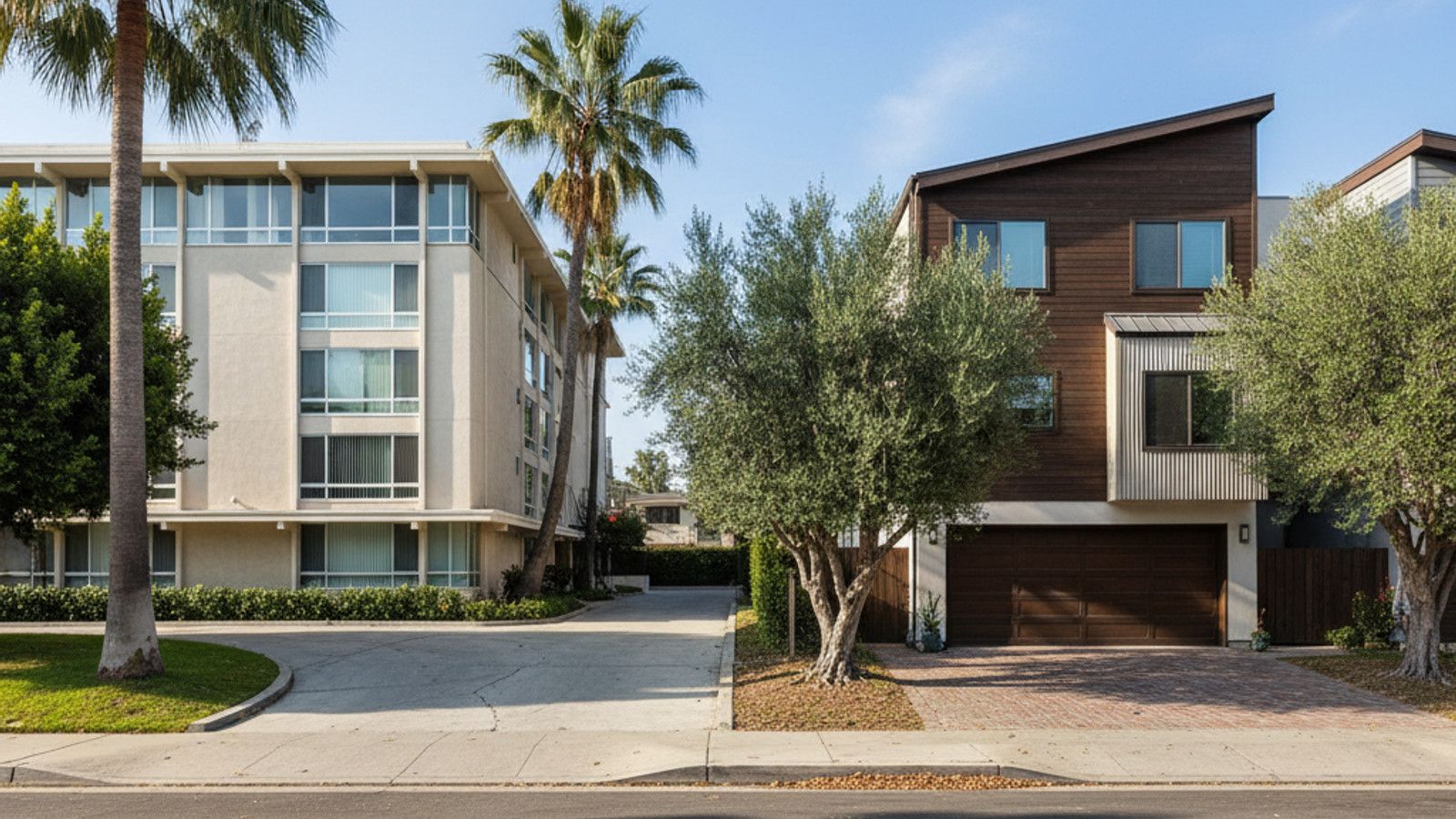
The layout of the neighborhood presents a sharp structural transition that buyers should note. Along the Ventura Boulevard corridor, the environment is bustling with mid-rise office buildings, retail centers, and high-density housing. Moving just a few blocks north or south of this main artery, the streetscape quickly shifts to lower-density residential blocks.
Downtown Los Angeles is accessible via the US-101 South, while the Hollywood Burbank Airport is just a short drive to the northeast. For buyers who prioritize connectivity without sacrificing suburban space, this area strikes a highly effective balance.
Historically, this area developed as a suburban retreat, but it has evolved into a primary urban center for the valley. The neighborhood maintains a distinct character that balances dense commercial activity with expansive residential lots. Buyers often choose this area to secure more square footage than they might find closer to the urban core.
Current Real Estate Market Trends in Sherman Oaks
The 2026 real estate landscape here is characterized by competitive pricing and a sharp divide in property types based on location. The most significant boundary in the local market is Ventura Boulevard. Properties situated south of the boulevard are predominantly larger single-family homes, often featuring expansive lots and hillside views.
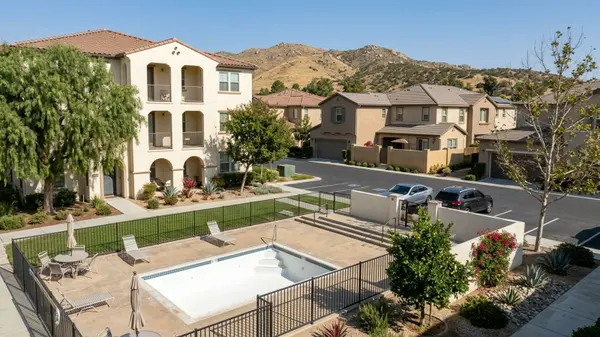
The neighborhoods north of the boulevard offer a high concentration of condominiums, townhomes, and apartment buildings. For buyers entering the market this spring, the median home price hovers around $1,500,000 to $1,600,000. Luxury hillside properties south of the boulevard frequently exceed $3,000,000, driving up the overall neighborhood averages.
Renters will also find a highly active market, particularly in the multi-family complexes near the commercial centers. Current median rent prices range from roughly $2,500 to $3,500 per month, depending on the age and amenity level of the building. Inventory levels remain tight this year, meaning well-priced homes often see average days on market dip below three weeks.
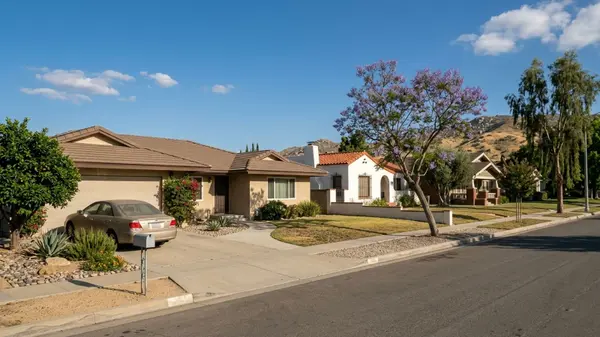
Architectural styles across the neighborhood vary widely, reflecting decades of ongoing development. Buyers will encounter everything from mid-century modern designs to newly constructed contemporary estates. This architectural diversity ensures that the local housing stock appeals to a broad spectrum of aesthetic preferences.
Shopping, Dining, and Commercial Amenities
The commercial heart of Sherman Oaks beats along Ventura Boulevard, which serves as the primary retail artery for the entire region. This thoroughfare is packed with a dense concentration of independent boutiques, specialty coffee shops, and diverse dining establishments. Residents rarely need to leave the neighborhood to find high-quality restaurants or daily necessities.
A major anchor for local commerce is the Sherman Oaks Galleria, located near the 405 freeway interchange. This expansive open-air complex functions as a primary destination for retail shopping, dining, and entertainment. It features a multiplex cinema alongside numerous national retail chains and fitness centers.
Beyond the large-scale retail centers, the neighborhood maintains a strong sense of local commerce. A recurring local farmers market provides residents with fresh produce and artisanal goods every week. Excellent local grocery access, ranging from premium organic markets to standard supermarkets, ensures that daily errands are highly convenient.
The eastern edge of the neighborhood blends seamlessly into Studio City, creating a continuous stretch of walkable retail. Parking along this busy corridor can be challenging, but many businesses offer dedicated lots or valet services. This high concentration of commercial activity ensures that residents have immediate access to premium dining and retail without traversing the canyons.
Parks, Recreation, and Outdoor Spaces
Access to outdoor recreation is a significant draw for residents in this part of the San Fernando Valley. The centerpiece of local green space is the expansive Van Nuys Sherman Oaks Park. This facility serves as a major recreational hub, offering an array of well-maintained amenities for public use.
Visitors to the park will find multiple lighted tennis courts, basketball courts, and a large indoor gymnasium. The grounds also feature a universal access playground, expansive athletic fields, and a public swimming pool. These extensive facilities make it one of the most heavily utilized community parks in the region.
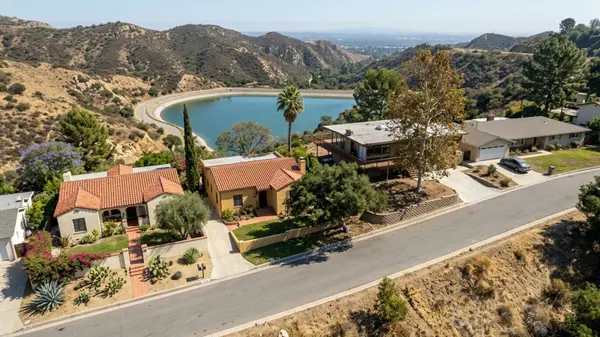
For those seeking more rugged outdoor experiences, the neighborhood offers quick access to the Santa Monica Mountains. Local green spaces like Deervale-Stone Canyon Park provide scenic hiking trails with sweeping views of the valley floor. The proximity to these mountain trails offers a quick escape from the urban density of the nearby commercial corridors.
The local recreation center also hosts various community programs throughout the year. These organized activities provide residents with structured opportunities for fitness and local engagement. Having such comprehensive public facilities directly within the neighborhood is a major asset for local homeowners.
Educational Institutions in the Area
The educational landscape in Sherman Oaks includes a mix of large public campuses and prestigious private institutions. Public schools in the neighborhood operate within the boundaries of the Los Angeles Unified School District. Buyers moving into the area should verify specific boundary lines, as enrollment eligibility can shift from block to block.
One of the standout public options is the Sherman Oaks Center for Enriched Studies, a highly regarded magnet school serving grades 4 through 12. This campus draws students from across the valley due to its specialized academic programs and rigorous curriculum. Traditional neighborhood public schools also provide standard educational pathways for local residents.
The area is equally known for its proximity to several prominent private schools. Notre Dame High School is located directly within the neighborhood, offering a well-established college preparatory program. The prestigious Harvard-Westlake School also operates a nearby campus in neighboring Studio City, adding to the robust educational options available to local residents.
Navigating the Los Angeles Unified School District requires careful attention to specific residential addresses. Enrollment in preferred public schools is often tied directly to strict geographic boundaries within the neighborhood. Real estate agents routinely advise buyers to verify these boundaries independently before submitting an offer on a property.
Commuting and Transportation Dynamics
Transportation in Sherman Oaks is heavily defined by the massive Interstate 405 and Interstate 101 interchange located at the neighborhood's western edge. This junction is one of the busiest in CA, and residents must account for routine traffic patterns during peak hours. Navigating the 101/405 interchange requires patience, particularly during the morning and evening rush.
Traveling to Downtown Los Angeles typically takes 30 to 45 minutes, while reaching employment hubs on the Westside can take similar times depending on 405 traffic. Commuting to nearby media centers in Studio City or Burbank is generally much faster, often taking under 20 minutes.
While Los Angeles is famously car-dependent, certain pockets of Sherman Oaks offer varying levels of walkability. Residents living in the multi-family housing directly adjacent to Ventura Boulevard can easily walk to grocery stores, cafes, and transit stops. Local public transit options include several major bus lines that run along the main corridors, connecting to broader regional transit networks.
When freeway traffic stalls, locals often rely on winding canyon roads to cross the Santa Monica Mountains. Routes like Beverly Glen Boulevard and Sepulveda Boulevard serve as crucial secondary arteries for reaching the Westside. Mastering these alternative routes is an essential part of daily life for anyone living in this portion of the valley.
Frequently Asked Questions About Living in Sherman Oaks
How much does it cost to buy a house in Sherman Oaks?
For buyers entering the 2026 market, the median home price sits between approximately $1,500,000 and $1,600,000. There is a significant price disparity depending on location, with properties south of Ventura Boulevard frequently commanding prices well over $3,000,000. More accessible condominium options are heavily concentrated in the blocks north of the boulevard.
How much is rent in Sherman Oaks?
The current median rent in the neighborhood ranges from roughly $2,500 to $3,500 per month. This figure largely reflects the dense concentration of apartments and condominiums located north of Ventura Boulevard. Luxury units or single-family home rentals will push significantly higher than this approximate median range.
What are the schools like in Sherman Oaks?
The area is served by the Los Angeles Unified School District, which includes specialized magnet programs like the Sherman Oaks Center for Enriched Studies. The neighborhood is also home to several prominent private institutions, including Notre Dame High School. Residents have access to a wide variety of public and private educational pathways within a short driving distance.
Where is Sherman Oaks located?
Sherman Oaks is located in the southern portion of the San Fernando Valley region in Los Angeles, CA. It is bordered by Studio City to the east, Encino to the west, and Van Nuys to the north. The neighborhood sits at the northern foot of the Santa Monica Mountains, right at the intersection of the 405 and 101 freeways.
Categories
Recent Posts