Studio City Los Angeles, CA Area Guide: Navigating the 2026 Real Estate Market
Nestled at the foothills of the Santa Monica Mountains, Studio City serves as a premier gateway between the San Fernando Valley and the greater Hollywood area. This neighborhood blends dense commercial corridors with quiet residential streets, offering a distinct living experience just over the hill from Downtown Los Angeles. Buyers looking at the current 2026 market will find an area defined by its deep roots in the entertainment industry and its highly accessible location.
Understanding this market requires a closer look at the diverse housing inventory and geographical divides that shape local property values. Whether you are searching for a hillside estate with canyon views or a practical condominium near major transit hubs, the neighborhood provides varying entry points. This Studio City Los Angeles, CA area guide breaks down the essential pricing, transit, and lifestyle factors you need to evaluate before making a purchase.
Studio City Real Estate Market Overview
The 2026 housing landscape in Studio City remains highly active, reflecting its enduring appeal within the wider Los Angeles market. Median single-family list prices currently hover around $1,600,000 to $2,000,000, representing a premium over many neighboring San Fernando Valley communities. This pricing reflects the area's robust infrastructure, proximity to major studios, and limited inventory of buildable land.
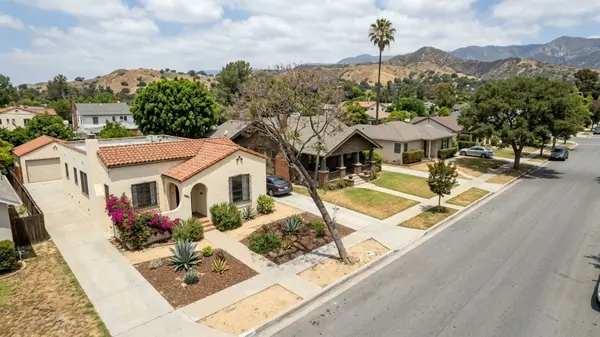
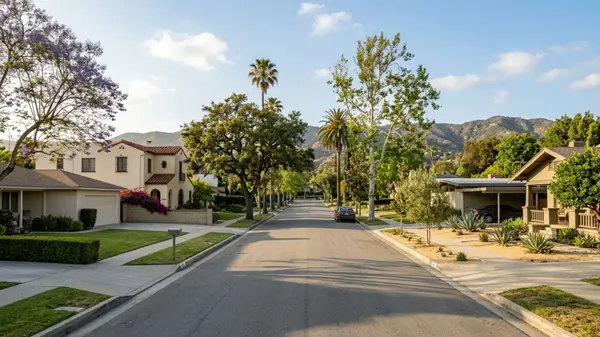
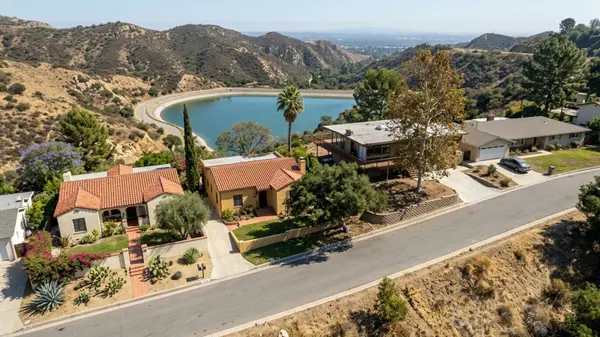
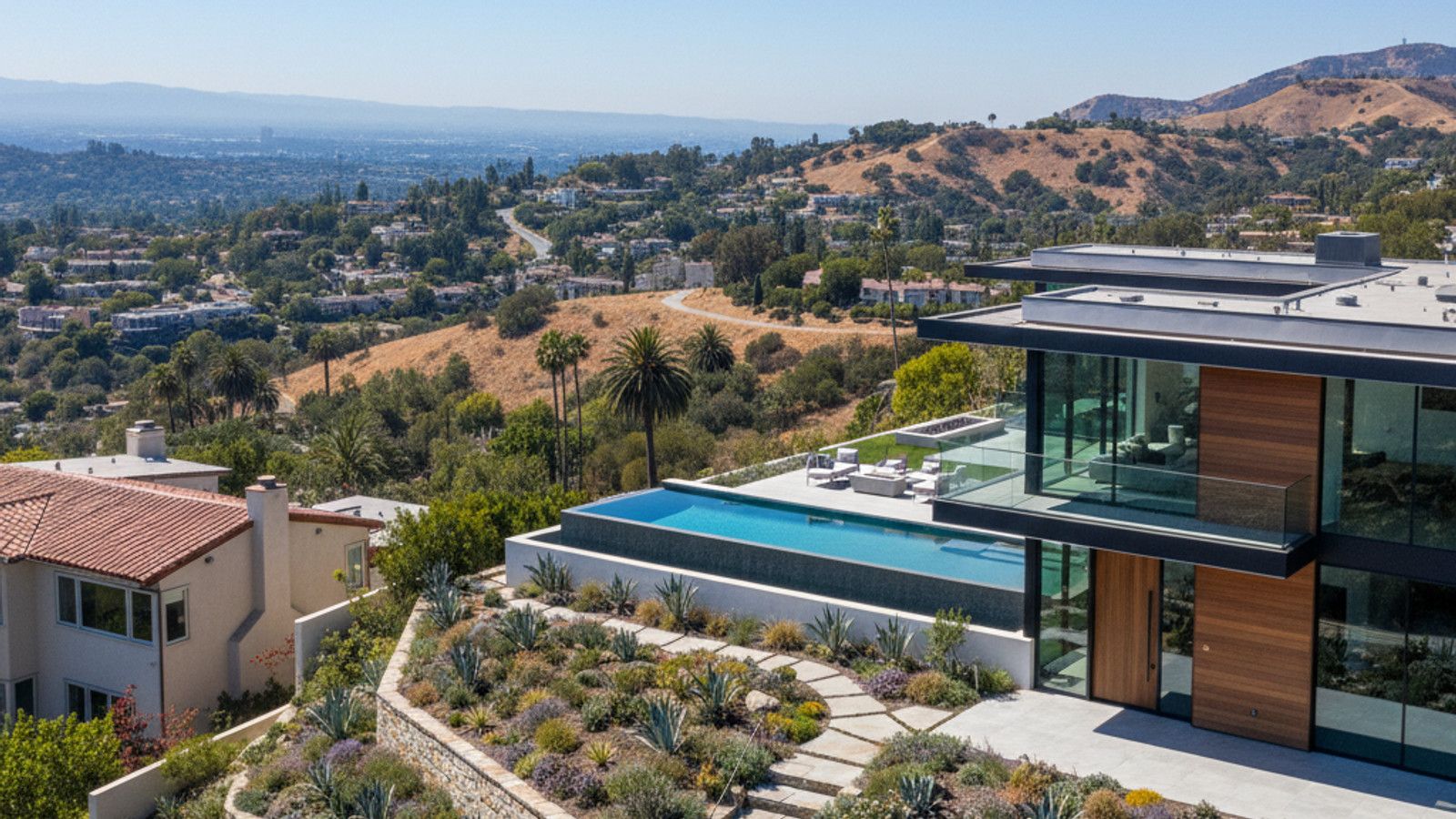
Geography plays a massive role in property valuation here, creating two distinct markets within the same zip code. The flat grid of streets north of Ventura Boulevard offers traditional suburban lots with high walkability to local retail. Conversely, the winding hillside roads to the south command higher price per square foot metrics due to their expansive views and increased privacy.
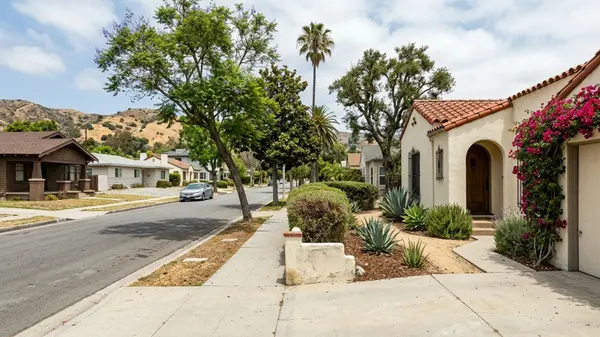
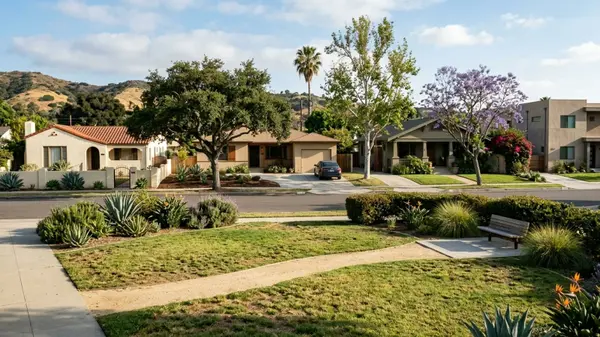
Buyers will encounter a wide spectrum of architectural styles across these micro-neighborhoods. The hills are heavily populated with mid-century modern properties and contemporary luxury estates, while the flats feature beautifully updated California Ranch styles. For those seeking lower entry points, condominiums clustered near major transit corridors generally start between $400,000 to $600,000.
Commuting Options and Transit Times
Transportation infrastructure is a major factor driving real estate demand in Studio City. The neighborhood borders Route 101, providing residents with an immediate arterial route through the Cahuenga Pass into Hollywood and the greater Los Angeles basin. This strategic positioning allows drivers to reach major employment centers much faster than commuters starting deeper within the San Fernando Valley.
Beyond the freeway system, public transit offers a highly viable alternative to navigating Southern California traffic. The Metro B Line station at Universal City/Studio City serves as a critical local hub. This heavy rail line connects riders directly to Downtown Los Angeles and Union Station, bypassing the often congested surface streets entirely.
Local surface transit also supports shorter daily trips across the immediate region. The Los Angeles Metro Bus system runs frequent routes along Ventura Boulevard, connecting seamlessly to neighboring Sherman Oaks and North Hollywood. A typical drive or bus ride to North Hollywood takes roughly 10 to 15 minutes, making cross-valley commutes highly manageable.
Ventura Boulevard Shopping and Dining
Ventura Boulevard serves as the dense commercial heart of Studio City, anchoring the local economy and providing extensive retail options. This primary thoroughfare runs the entire length of the neighborhood, lined with trendy boutiques, independent coffeehouses, and daily conveniences. The concentration of amenities means residents rarely need to leave the immediate area for shopping or dining.
The local restaurant scene is particularly notable for its extensive array of high-end dining establishments. A specific stretch of the boulevard has earned the moniker "sushi row" due to its high density of acclaimed Japanese restaurants. Every Sunday, the Studio City Farmers Market takes over Ventura Place, bringing regional agricultural vendors and local artisans directly to the community.
Entertainment industry infrastructure remains deeply woven into this commercial district. Radford Studio Center sits just off the boulevard, serving as a massive local employer and an anchor for the surrounding businesses. The sheer volume of dining and retail packed into this corridor creates a highly active streetscape that drives up property values for nearby walkable homes.
Parks and Outdoor Recreation Areas
Access to natural terrain is a significant selling point for properties located along the southern edge of the neighborhood. The Santa Monica Mountains provide a rugged geographical border, offering residents immediate access to extensive trail networks. These protected green spaces present a stark, welcome contrast to the dense urban grid just a few blocks away.
Fryman Canyon Park stands out as the most prominent local recreation destination. The park features a heavily utilized three-mile loop that provides moderate hiking terrain and panoramic views of the San Fernando Valley. The trailhead includes a dedicated parking area, though many nearby residents simply walk to the entrance from their hillside homes.
Additional outdoor spaces offer varied recreational environments across the neighborhood. Wilacre Park connects directly into the broader Santa Monica Mountains trail system, catering to more ambitious hikers. For flat, paved recreation, the accessible LA River Walk provides a dedicated path for jogging and walking away from vehicular traffic.
Public and Private School Options
Educational infrastructure is a primary consideration for many buyers evaluating the local housing market. Studio City falls under the jurisdiction of the Los Angeles Unified School District, which operates several campuses within the neighborhood boundaries. The availability of specific public schools often dictates localized housing demand and can influence neighborhood pricing trends.
The public school offerings include highly sought-after specialized campuses. Carpenter Community Charter and Colfax Charter serve elementary-aged students, while Walter Reed Middle School provides secondary education options. Boundary lines for these specific charter and public schools are strict, making address verification a critical step during the home-buying process.
The area is also home to several notable private educational institutions. Harvard-Westlake School operates its upper school campus right in the neighborhood, drawing students from across the greater Los Angeles area. Campbell Hall offers another prominent private option nearby, rounding out a dense concentration of educational facilities.
Frequently Asked Questions About Studio City
Is Studio City an expensive place to live?
Studio City carries a higher cost of living compared to the broader Los Angeles average. Median single-family home prices generally range from $1,600,000 to $2,000,000, reflecting the premium placed on the location. Buyers pay for the immediate proximity to major studios and the extensive commercial amenities along Ventura Boulevard.
How walkable is the Studio City area?
Walkability varies drastically depending on your exact location within the neighborhood. The flat streets immediately north of Ventura Boulevard boast high Walk Scores, allowing residents to reach grocery stores and cafes on foot. Conversely, the hillside properties south of the boulevard lack sidewalks and require a vehicle for daily errands.
What are the main micro-neighborhoods in Studio City?
The primary dividing line in the local market is Ventura Boulevard, which separates the hillside homes from the valley flats. The area south of the boulevard features winding canyon roads like Laurel Canyon, offering expansive views and larger lots. The northern flats feature traditional grid streets with California Ranch homes and denser condominium developments.
What should buyers know before purchasing a hillside home in Studio City?
Purchasing a hillside property requires specialized inspections and a thorough review of local zoning laws. Buyers must evaluate the structural integrity of retaining walls and check the local geological reports for potential slide risks. Additionally, hillside homes often face stricter insurance requirements and specific Los Angeles building codes regarding expansion.
Categories
Recent Posts