Exploring the Coast: A 2026 Pacific Palisades Los Angeles, CA Area Guide
Tucked between the Santa Monica Mountains and the Pacific Ocean, Pacific Palisades offers a distinct coastal living experience within Los Angeles. Buyers looking at the Westside often gravitate toward this enclave for its expansive lots, dramatic ocean vistas, and immediate access to nature.
Purchasing property here requires navigating a high-barrier market with limited inventory. This Pacific Palisades Los Angeles, CA area guide breaks down the 2026 market realities, local infrastructure, and daily logistics to help buyers make informed real estate decisions.
Pacific Palisades Real Estate Market Trends
The 2026 housing market in Pacific Palisades remains highly competitive, characterized by low turnover and sustained buyer demand. Median home prices currently hover around $3,000,000, reflecting the premium placed on coastal proximity and larger parcel sizes. Buyers should expect multiple offers on properly priced single-family homes, especially those offering unobstructed ocean views.
Navigating the local Multiple Listing Service (MLS) reveals a landscape dominated by luxury estates rather than high-density condominiums. Homeowners association (HOA) fees vary significantly depending on the specific subdivision, and buyers must factor in local transfer taxes when calculating closing costs. The clear takeaway for today's buyer is that securing a property here requires aggressive, well-prepared financing and a willingness to act quickly on new inventory.
Beyond the purchase price, buyers must account for the ongoing costs of coastal California homeownership. Property taxes align with state standards, but specialized insurance policies for fire or earth movement often add significant recurring expenses. Working with an agent who understands these localized holding costs is essential for accurate financial planning.
Micro-Neighborhoods and Architectural Styles
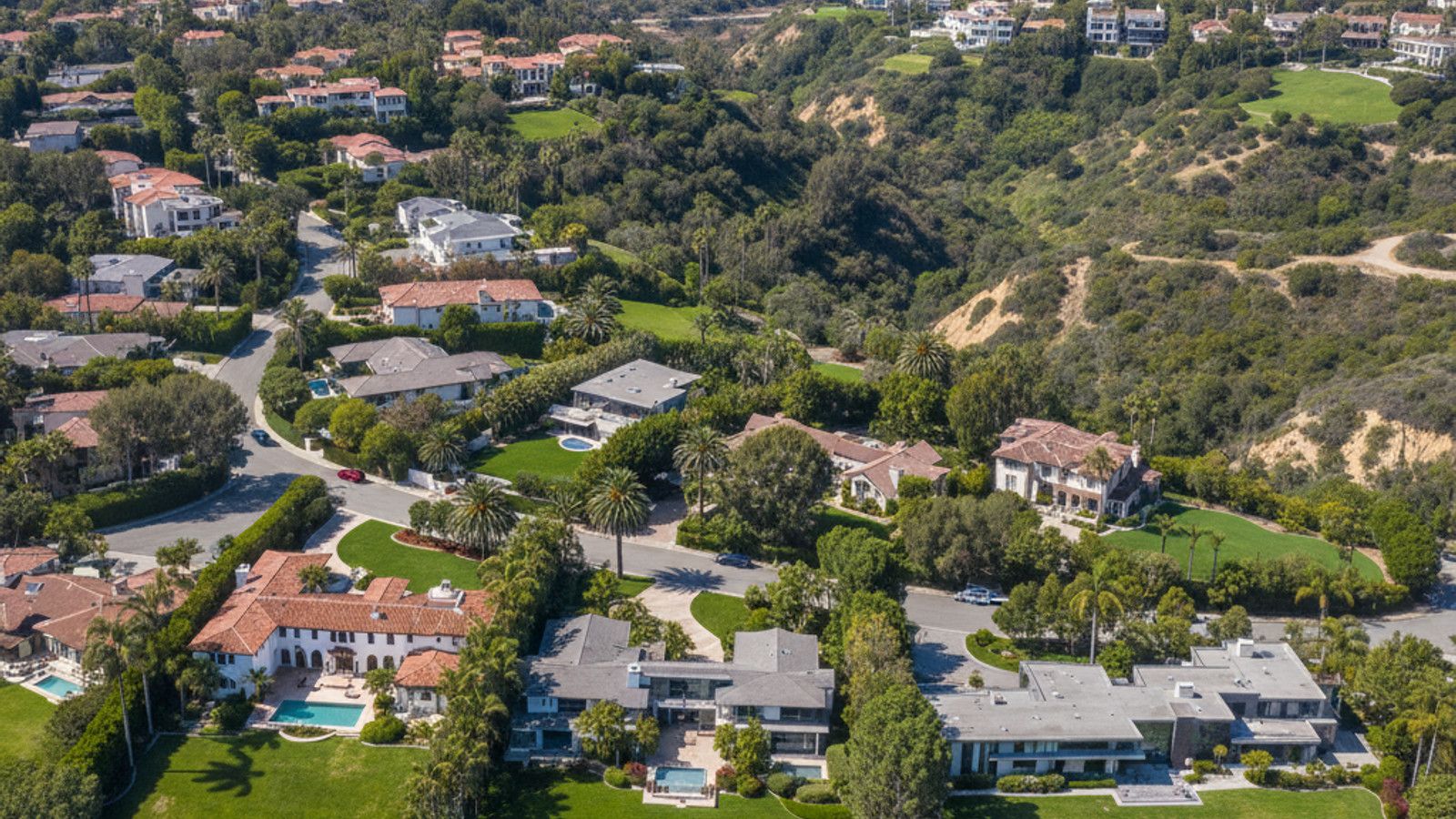
The community is divided into distinct micro-neighborhoods, each offering a different living experience. The Riviera features sprawling estates near the golf course, while Rustic Canyon offers heavily wooded lots with a secluded feel. Marquez provides elevated hillside properties where the natural topography maximizes sightlines of the coastline.
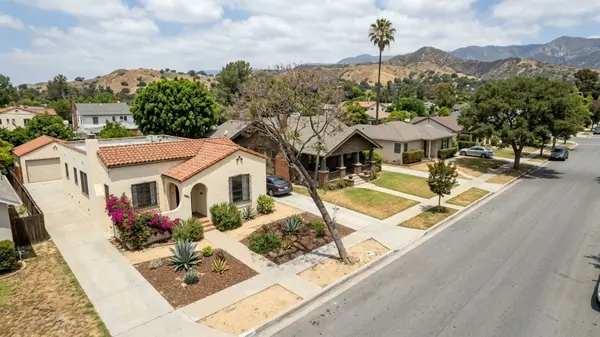
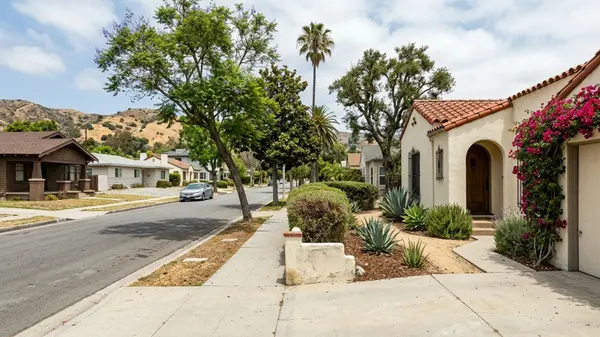
Architectural styles across these enclaves vary widely, though Mediterranean and Mid-Century Modern designs remain highly prevalent. Many older properties have undergone extensive renovations to modernize interiors while preserving their classic exterior footprints. Buyers often target specific streets based solely on the predominant architectural aesthetic and lot orientation.
Lot sizes and property boundaries are heavily dictated by the canyon geography. Homes situated along the ridgelines frequently command a premium due to their unobstructed ocean vistas and increased privacy. Conversely, properties positioned deeper within the canyons offer a shaded, woodland environment that feels entirely removed from the typical Southern California landscape.
Local Recreational Amenities and Things to Do
The primary draw of this neighborhood is its immediate proximity to vast stretches of preserved outdoor space. Residents benefit from a geographic advantage that places both mountain trails and sandy beaches just minutes from their front doors. This balance of commercial conveniences and natural parklands shapes the daily routine of the community.
Exclusive recreational facilities also anchor the local lifestyle. The Riviera Country Club offers premier golf and tennis infrastructure, hosting major professional tournaments that draw international attention. Access to these types of amenities solidifies the area as a premier destination for buyers prioritizing active, outdoor recreation.
Cultural landmarks also play a major role in the local landscape, most notably the Getty Villa located just off the Pacific Coast Highway. This museum offers residents immediate access to ancient art and architecture within a sprawling, meticulously landscaped estate. Having world-class cultural institutions integrated into a residential neighborhood is a rare amenity on the Westside.
Parks, Trails, and Beach Access
Temescal Gateway Park serves as a central hub for hiking, offering steep canyon trails that reward climbers with sweeping views of the Pacific Ocean. Further east, Will Rogers State Historic Park provides extensive equestrian facilities, polo fields, and miles of interconnected pathways. These green spaces remain heavily utilized year-round due to the temperate Southern California climate.
For coastal recreation, residents utilize direct access points to Will Rogers State Beach. This stretch of coastline features volleyball courts, dedicated bike paths, and wide sandy shores that run continuously toward Santa Monica. The immediate proximity to the water heavily influences property values on the western edge of the neighborhood.
Shopping and Dining at Palisades Village
Palisades Village operates as the primary commercial and retail center for the neighborhood. This highly walkable district features a curated mix of boutique shopping, upscale dining, and daily conveniences like grocery stores and coffee shops. The centralized layout allows residents to complete errands on foot, a rarity in many parts of Los Angeles.
The surrounding streets host staple community events that define the local calendar. A weekly farmers market brings regional vendors to the center of town, providing access to fresh produce and artisanal goods. The annual Fourth of July parade remains a major neighborhood tradition, drawing attendees from across the Westside.
Dining options within the village cater to a variety of tastes, ranging from casual cafes to high-end restaurants. The integration of outdoor seating and pedestrian-friendly walkways encourages residents to spend extended time in the commercial district. This deliberate urban planning transforms a simple shopping trip into a core component of the local lifestyle.
Commute Times and Transportation Routes
Navigating into and out of Pacific Palisades requires relying on two primary transportation corridors. The Pacific Coast Highway (PCH) handles north-south coastal traffic, while Sunset Boulevard serves as the main artery winding east toward the rest of Los Angeles. Both routes experience significant congestion during peak travel hours.
The distance to Downtown Los Angeles is approximately 19 miles, but actual drive times fluctuate heavily based on the time of day. Commuters routinely spend anywhere from 40 to 80 minutes reaching the downtown core. The critical takeaway for buyers is to test these specific routes during rush hour before committing to a property, as coastal isolation comes with tangible transit tradeoffs.
Journeys to neighboring corporate centers are generally more manageable. Reaching Santa Monica typically takes 15 to 25 minutes, while driving to Century City or Beverly Hills requires roughly 30 to 45 minutes. Understanding these daily transit realities is crucial for professionals evaluating a move to the coast.
Public transportation options remain limited in this coastal enclave, making personal vehicles a strict necessity for most residents. While local bus lines operate along the main corridors, they are rarely utilized by professionals commuting to corporate hubs. Buyers must factor the cost and logistics of a car-dependent lifestyle into their relocation plans.
Schools and Educational Infrastructure
The educational infrastructure serving this zip code is dense, offering a variety of public and independent options. Buyers often focus closely on school boundaries when evaluating specific properties within the neighborhood. The local network includes both Los Angeles Unified School District (LAUSD) campuses and several prominent private institutions.
Proximity to these campuses heavily influences local traffic patterns, particularly along Sunset Boulevard during morning drop-off hours. Understanding the enrollment options and specific district boundaries is a crucial step for anyone relocating to the area. Real estate values often reflect the immediate walking distance to highly rated educational facilities.
Real estate agents frequently advise buyers to verify school district boundaries before submitting an offer. Even within the same zip code, a difference of one street can alter a property's designated elementary or middle school. Securing a home within a preferred boundary line remains a top priority for many purchasers entering the market.
Beyond the traditional classroom, local students benefit from extensive extracurricular programs tied to the natural environment. Many campuses incorporate marine biology, outdoor education, and environmental science into their core curriculums. This unique educational approach leverages the surrounding geography to enhance standard academic requirements.
Los Angeles Unified School District (LAUSD) Campuses
The public school pathway in the area is structured around several designated charter schools operating under the LAUSD umbrella. These campuses serve students from transitional kindergarten through twelfth grade.
Families navigating the public system will find the following primary campuses designated for the community:
-
Palisades Charter Elementary and Marquez Charter Elementary for early education.
-
Paul Revere Charter Middle School for intermediate grades.
-
Palisades Charter High School for secondary education.
Notable Private Institutions
Beyond the public district, the immediate area hosts several established independent schools. These facilities offer alternative educational models and varying campus sizes.
Prominent private educational facilities located in the Palisades include:
-
St. Matthew's Parish School, a notable institution serving preschool through eighth grade.
-
Village School, offering early childhood and elementary education.
-
Calvary Christian School, which provides instruction from preschool through middle school.
Frequently Asked Questions About Pacific Palisades
How does Pacific Palisades compare to Santa Monica and Malibu?
Pacific Palisades offers a more suburban, residential environment compared to the dense commercial activity of Santa Monica. Unlike Malibu, which stretches thinly along miles of highway, the Palisades features a concentrated, walkable central village. Buyers choose this area when they want coastal access without the heavy tourist traffic found in neighboring cities.
What natural hazards should homebuyers be aware of in Pacific Palisades?
Properties in this coastal and canyon environment face specific environmental risks, primarily wildfires and landslides. Buyers must review local geological reports and secure appropriate property insurance tailored to the 2026 market standards. Understanding these hazard zones is essential when evaluating hillside homes or properties bordering dense brush.
What are typical commute times from Pacific Palisades to Downtown LA?
Driving the 19 miles to Downtown Los Angeles typically takes between 40 and 80 minutes. The exact duration depends heavily on traffic conditions along Sunset Boulevard or the Pacific Coast Highway. Commuters should plan for significant delays during traditional morning and evening rush hours.
Categories
Recent Posts