Navigating the Market: Your 2026 West Los Angeles, CA Area Guide
Situated strategically between the coastal breezes of Santa Monica and the dense urban core of Downtown Los Angeles, West Los Angeles serves as a crucial hub for the region. This neighborhood offers a distinct blend of dense commercial corridors and quiet residential streets that appeal to buyers seeking proximity to major employment centers. The local real estate landscape has evolved significantly over the past decade - transforming into a primary destination rather than just a pass-through district.
Entering the spring of 2026, the local market presents a much more balanced environment for buyers than the frantic bidding wars seen in previous years. Understanding the nuances of the local housing stock, commute patterns, and neighborhood amenities is essential for making an informed purchase here. This comprehensive overview provides the objective data and local context needed to navigate the current housing landscape.
Living in West Los Angeles: 2026 Area Overview
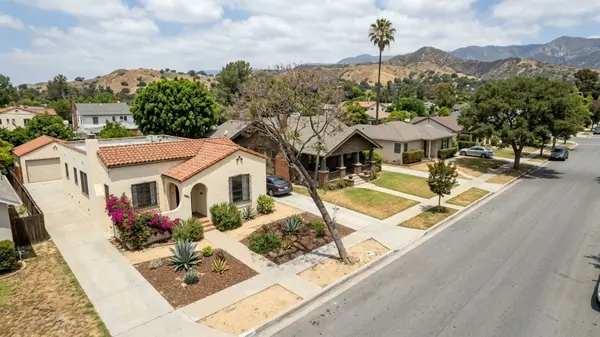
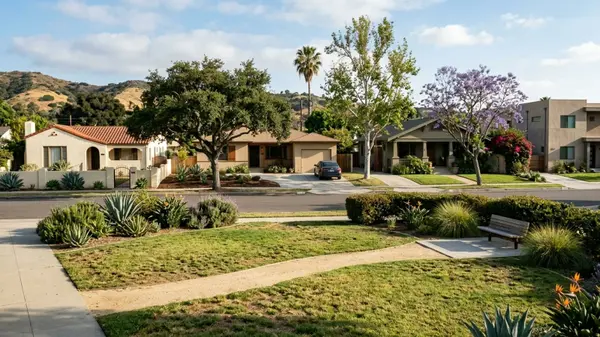
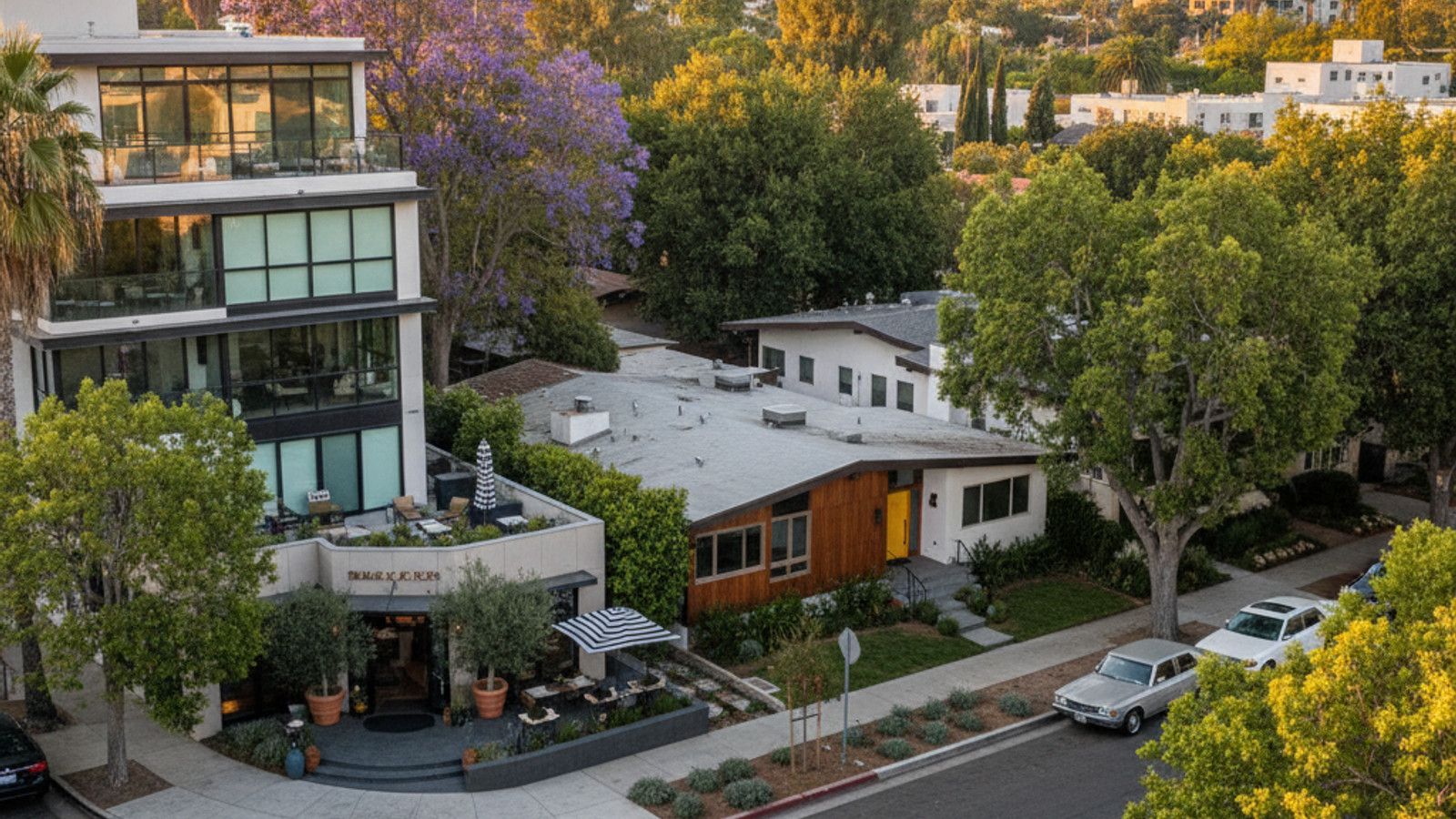
West Los Angeles occupies a highly strategic position within Los Angeles County, CA, bordered by Santa Monica, Beverly Hills, and Culver City. The area features a unique architectural balance, mixing high-density multi-family housing along the major boulevards with historic single-family tracts tucked away on tree-lined streets. This structural layout allows the neighborhood to support a robust commercial sector without entirely sacrificing its residential character.
As of April 2026, the local real estate market has shifted toward a more balanced inventory, offering buyers a bit more breathing room during negotiations. Median list prices are currently hovering between $1,030,000 and $1,460,000, while rental prices average roughly $4,000 per month. The primary takeaway for anyone looking at this market is that West LA offers the most strategic geographical advantage in the county for buyers who need frequent access to both the beach and downtown.
While prices remain premium compared to national averages, the stabilization of inventory means buyers can actually conduct proper due diligence without the pressure of waiving all contingencies. This normalization makes 2026 a highly practical window for entering the local market.
The commercial zones along the major thoroughfares provide a sharp contrast to the quiet residential streets located just a few blocks away. This sharp division in zoning allows residents to enjoy a suburban level of peace while maintaining immediate access to urban conveniences. It is a structural advantage that few other neighborhoods in the Greater Los Angeles area can replicate.
Real Estate Market Trends and Property Types
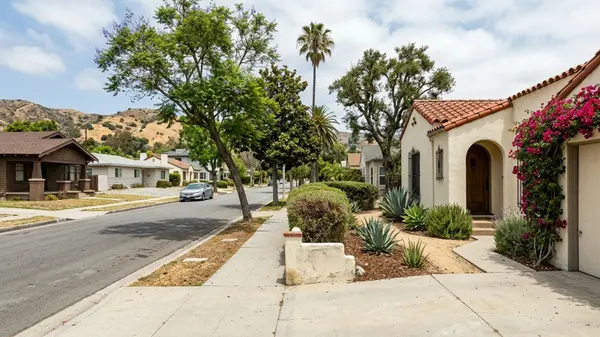
The housing stock in West Los Angeles is highly diverse, featuring everything from mid-century single-family homes to large, modern condominium complexes. Single-family lots tend to be compact, which is standard for the denser pockets of Greater Los Angeles, but they often feature mature landscaping and detached garages. Condominiums and townhouses make up a significant portion of the available inventory - bringing varying Homeowner Association fees that buyers must factor into their monthly carrying costs.
With current interest rates sitting around 6.1% in 2026, buyer leverage has noticeably improved compared to the tight markets of the early 2020s. Months of inventory have climbed to roughly 2.9 months, meaning properties are sitting slightly longer and sellers are more open to realistic offers. The median listing home price sits at approximately $1,030,000, reflecting the area's enduring value and consistent demand.
Mid-century properties remain highly sought after, though many have undergone significant modern renovations to maximize their footprint. Buyers will also find a growing number of newly constructed multi-family developments along the major transit corridors. These newer buildings typically offer modern amenities but command a premium price per square foot compared to older housing stock.
Transportation Infrastructure and Commute Times
Mobility is a defining factor in Southern California real estate, and West Los Angeles is uniquely positioned at the intersection of the region's most critical transit corridors. Residents have immediate access to both the I-405 and I-10 freeways, providing direct driving routes to the San Fernando Valley, the South Bay, and Downtown LA. While standard Los Angeles traffic patterns certainly apply, starting a commute from this central location significantly reduces overall driving times compared to starting from the deep suburbs.
Public transit infrastructure has transformed the local commute, heavily anchored by the Metro E Line running from Downtown Santa Monica through to East LA. A train ride from the local stations to Downtown Los Angeles takes approximately 46 minutes, with departures scheduled roughly every 10 minutes during peak morning and evening hours. Access to the Metro E Line fundamentally changes the value proposition of properties located within a half-mile of a station, offering a genuine alternative to freeway gridlock.
For shorter local trips, the Santa Monica Big Blue Bus and the Los Angeles Department of Transportation Commuter Express provide extensive coverage. These bus networks connect the residential pockets directly to major employment centers in Century City and the City of Los Angeles.
Navigating the local street grid during rush hour requires local knowledge, as major arteries like Olympic Boulevard and Sepulveda Boulevard carry heavy volumes. Savvy residents often utilize the smaller secondary streets to bypass the worst of the congestion during peak travel times. Mastering these local traffic patterns is a rite of passage for anyone relocating to the area.
Local Amenities: Sawtelle Japantown and Commercial Corridors
Daily conveniences and dining options are heavily concentrated along the major east-to-west arteries, specifically Olympic Boulevard, Santa Monica Boulevard, and Sepulveda Boulevard. The crown jewel of local dining is Sawtelle Japantown, a dense, highly walkable corridor famous for its historic nurseries, modern noodle houses, and specialty boutiques. This specific pocket provides a vibrant street-level energy that rivals the commercial districts of neighboring Culver City and Beverly Hills.
Beyond independent dining, the area is well-served by major grocery chains and big-box retail locations spread comfortably across the neighborhood. While the commercial zones are highly walkable, parking configurations typically rely on street meters, small surface lots, or subterranean structures. This mix of dense retail and accessible daily shopping ensures residents rarely need to leave the neighborhood boundaries for standard errands.
The neighborhood strongly supports a walkable lifestyle, particularly for those living within a few blocks of the primary commercial corridors. Residents can easily run weekend errands on foot, picking up groceries or visiting local cafes without ever starting their cars. This pedestrian-friendly infrastructure adds immense daily value to the properties situated closest to the retail hubs.
Education: LAUSD Public Schools and Higher Education
Properties in this neighborhood fall under the jurisdiction of the Los Angeles Unified School District, which operates several campuses within the immediate area. Local public education options include established facilities like Overland Avenue Elementary, Brockton Avenue Elementary, and Richland Avenue Elementary. Buyers evaluating the area often review these specific attendance boundaries when looking at single-family homes in the residential tracts.
Beyond primary and secondary education, West Los Angeles sits adjacent to some of the most prominent higher education institutions in California. The neighborhood is just a short drive or bus ride from the University of California, Los Angeles campus in neighboring Westwood, as well as Santa Monica College to the west. The proximity to these major higher education hubs provides a steady baseline of rental demand that insulates investment properties here better than in peripheral neighborhoods.
The daily commute to these nearby educational institutions is heavily supported by dedicated public transit routes. Students and faculty frequently utilize the rapid bus lines that run directly from the neighborhood to both the Westwood and Santa Monica campuses. This seamless connectivity makes the area a highly practical home base for anyone affiliated with the local university systems.
Outdoor Recreation and Stoner Park
Municipal recreation in the area is anchored by Stoner Park, a comprehensive public facility that serves as the primary outdoor gathering space for the neighborhood. The park features six lighted tennis courts, a public swimming pool, multi-use athletic fields, and a popular skate park. These well-maintained facilities provide immediate access to outdoor activities without requiring a drive across town.
When residents want to explore beyond the local park system, the neighborhood's western location offers rapid access to regional natural features. The sandy beaches of the Pacific Ocean are just a short drive down Santa Monica Boulevard, while the hiking trails of the Santa Monica Mountains are easily accessible via the northbound I-405. This balance of local municipal parks and proximity to world-class natural landscapes adds significant value to the local real estate.
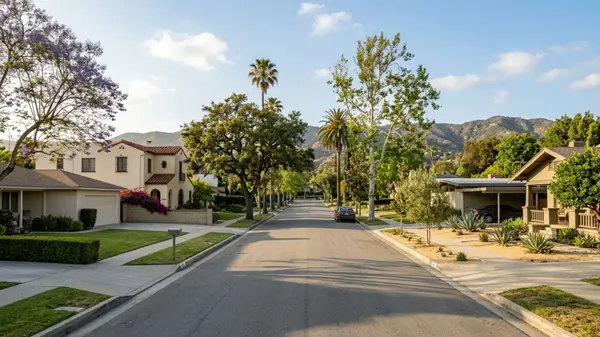
Beyond the structured park facilities, the neighborhood's wide, tree-lined sidewalks encourage daily outdoor activity. Many residents take advantage of the predictable Southern California weather by incorporating evening walks or weekend cycling into their routines. The relatively flat topography of the area makes it particularly accommodating for casual cyclists and pedestrians.
Frequently Asked Questions
What is the cost of living in West Los Angeles?
The cost of living in West Los Angeles is generally high, reflecting its premium location between the coast and the city center. Median property prices currently sit around $1,030,000, while average rental rates command roughly $4,000 per month. However, it remains slightly more accessible than ultra-luxury neighboring markets like Beverly Hills or the immediate coastal zones of Santa Monica.
What are the transportation and commute options in West Los Angeles?
Residents benefit from immediate access to the I-405 and I-10 freeways, though the Metro E Line offers a highly viable car-free alternative. Taking the light rail from the local stations to Downtown Los Angeles requires an approximate 46-minute ride. Local bus routes, including the Big Blue Bus, provide reliable connections to nearby employment centers in Century City and Santa Monica.
Which public schools serve the West Los Angeles area?
The neighborhood is served by the Los Angeles Unified School District, which operates several local campuses. Primary facilities within the immediate boundaries include Overland Avenue Elementary, Brockton Avenue Elementary, and Richland Avenue Elementary. Exact school assignments depend on the specific street address of the property, so buyers should verify boundaries directly with the district.
Categories
Recent Posts