The Ultimate Santa Monica Los Angeles, CA Area Guide for 2026 Buyers
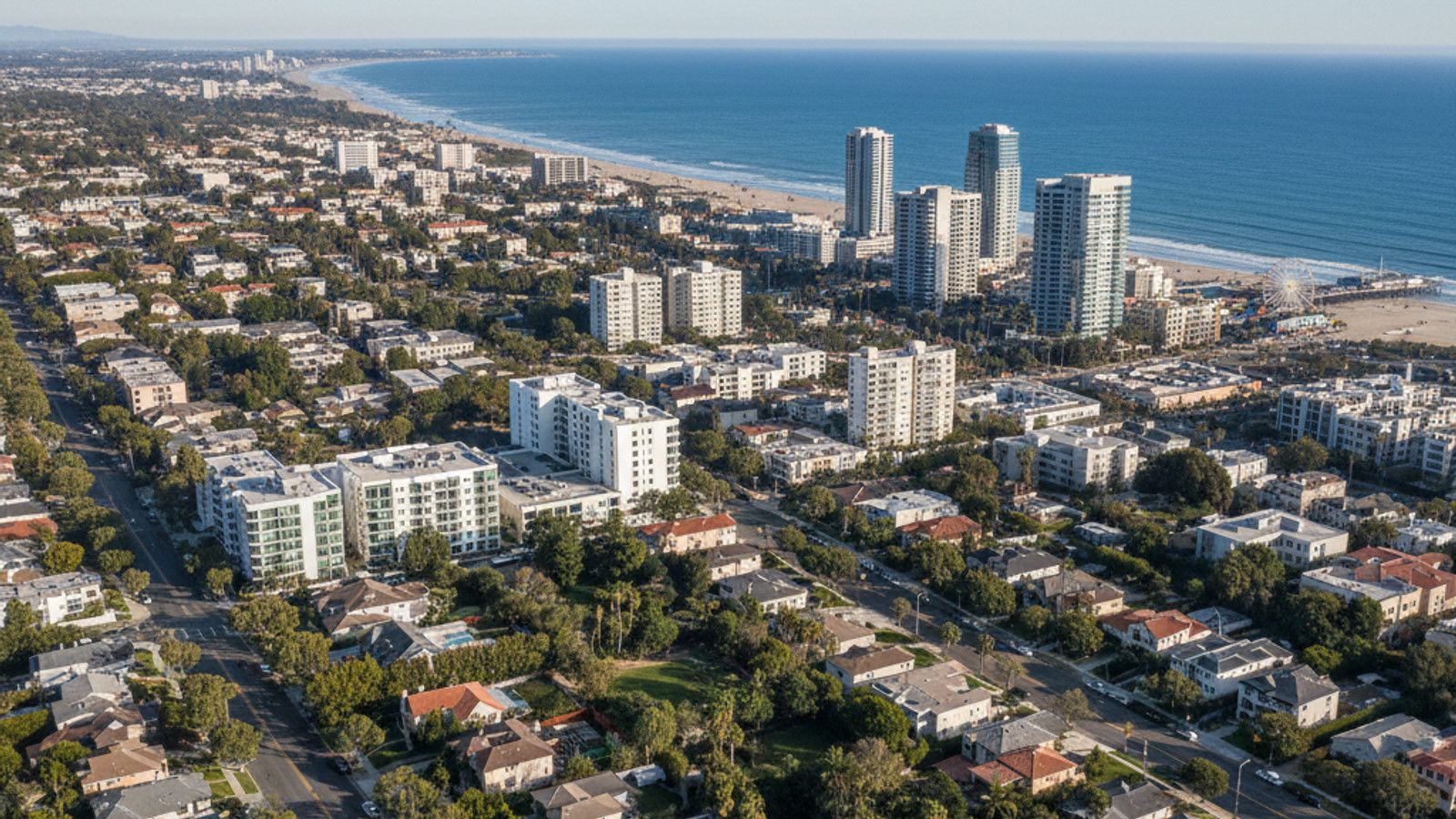
Santa Monica represents one of the most dynamic coastal real estate markets in Southern California. Bordered by the Pacific Ocean to the west, Pacific Palisades to the north, and Venice to the south, this 8.3-square-mile city blends dense urban infrastructure with immediate beach access. Buyers looking at the Los Angeles area often focus here for the combination of established residential streets, robust public transit, and major commercial centers.
Navigating this market requires an understanding of its distinct micro-neighborhoods and current property values. The transition from a laid-back beach town to a highly developed tech and commercial hub has permanently shifted the local housing landscape. This Santa Monica Los Angeles, CA area guide breaks down what prospective buyers and renters need to know about navigating the local market in 2026.
Welcome to Santa Monica: A Premier Coastal Hub in Los Angeles
The geography of Santa Monica dictates much of its real estate value and daily lifestyle. The city sits directly on the coastline, offering immediate access to the water while maintaining direct highway routes to major inland employment centers. Interstate 10 begins here, providing a straight corridor eastward through Mid City, Los Angeles and into the core of Downtown Los Angeles.
Over the past few decades, the city has evolved significantly from its origins as a quiet seaside retreat. Today, it operates as a major economic engine in Southern California, housing numerous corporate headquarters and extensive retail districts. This density means buyers are investing in a highly developed urban environment rather than a secluded coastal enclave.
The real value of Santa Monica lies in this dual identity. Residents secure the recreational benefits of a beach city without sacrificing the infrastructure and connectivity expected of a major metropolitan hub.
Santa Monica Housing Market and Real Estate Trends
The local housing market remains highly competitive, driven by limited land availability and strict zoning regulations. As of Spring 2026, the median home sale price generally hovers between $1,600,000 and $1,800,000. Properties are currently selling at a steady pace, typically spending 48 to 52 days on the market before closing.
Renters face a similarly structured market, with median rents sitting at approximately $2,300 for a one-bedroom apartment and $2,700 for a two-bedroom unit. There is a stark contrast in pricing and property types depending on geographic positioning within the city limits. Oceanfront high-rises command a massive premium, while venturing inland yields a mix of traditional single-family properties and mid-rise condominiums.
Eight Distinct Neighborhoods to Explore
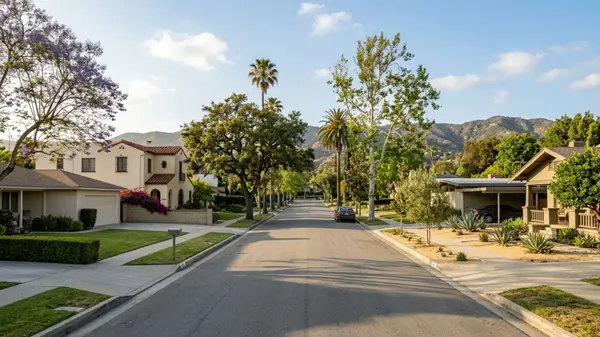
The city is formally and informally divided into several residential zones, each offering a distinct architectural style and price point. Understanding these variations is essential for setting realistic budget expectations before touring properties.
-
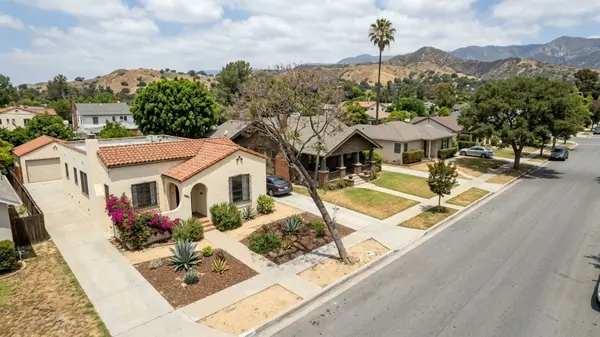
North of Montana: This area features upscale single-family homes on large lots, wide tree-lined streets, and listings that frequently exceed $3,500,000.
-
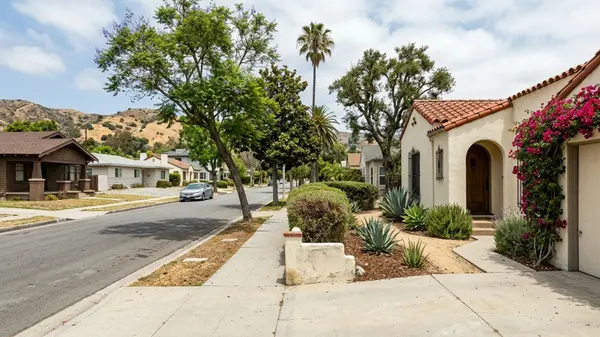
Ocean Park: Located in the southern part of the city, this neighborhood offers historic bungalows, varied apartment stock, and high walkability to Main Street retail.
-
Downtown Santa Monica: Buyers here will find high-density condos and apartment buildings with immediate access to the Third Street Promenade and transit hubs.
-
Mid-City: This inland sector provides a mix of housing options and condo inventory often priced closer to the $1,000,000 to $1,500,000 range.
-
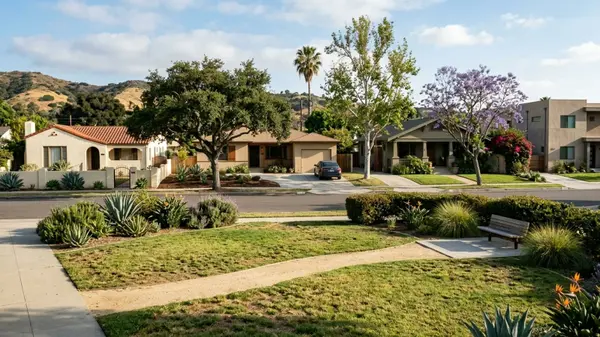
Sunset Park: Situated near Santa Monica College, this area is predominantly known for mid-century residential homes and a quieter street layout.
-
Pico Neighborhood: This district offers diverse architectural styles and convenient access to the inland transit corridors.
-
Wilshire Montana: Buyers will discover a blend of mid-range condominiums and highly walkable commercial access along major avenues.
-
Ocean Avenue Corridor: This premium strip is dominated by luxury high-rises offering direct views of the Pacific Ocean and Palisades Park.
Commuting and Public Transportation Infrastructure
Transportation options in Santa Monica extend far beyond personal vehicles, which is a major asset in Southern California. The Los Angeles Metro E Line is a central component of the local transit grid, offering a reliable rail connection heading east. Commuters can travel from Downtown Santa Monica to Downtown Los Angeles in roughly 46 to 50 minutes, bypassing the often congested Interstate 10.
For intra-city travel and connections to nearby municipalities, the Big Blue Bus system provides extensive route coverage. This local bus network links residential neighborhoods with commercial districts, nearby university campuses, and major transit hubs like Bergamot Station.
Driving remains a primary mode of transit for many, with the Pacific Coast Highway and California State Route 1 facilitating north-south coastal travel. However, the city has heavily invested in non-motorized transit infrastructure to reduce local traffic. With over 100 miles of designated bike routes, navigating the city by bicycle is a highly practical alternative for daily errands.
Santa Monica-Malibu Unified School District Overview
Public education in the city falls under the jurisdiction of the Santa Monica-Malibu Unified School District. This district covers a significant geographic area, serving students in both Santa Monica and the neighboring coastal community of Malibu. For the 2025-2026 academic year, the district manages approximately 8,300 to 8,600 students.
The district operates 17 distinct school sites, which include elementary, middle, and high school campuses. Property values in specific neighborhoods are frequently influenced by their proximity to these established local campuses.
Higher education is also a prominent feature of the local landscape. Santa Monica College is located near the Sunset Park neighborhood, providing extensive post-secondary education options and vocational programs. The presence of this institution adds a layer of academic infrastructure and local employment to the immediate area.
Local Amenities, Parks, and Attractions
The recreational and commercial amenities in Santa Monica are major drivers of the local real estate demand. Palisades Park is a standout feature, stretching along the coastal bluffs and offering panoramic views of the Pacific Ocean. For active recreation, the Marvin Braude Bike Trail provides 26 miles of paved coastal pathways extending well beyond the city limits.
Retail and dining are concentrated in several distinct commercial zones that cater to both residents and visitors. The Third Street Promenade serves as a major open-air shopping district in the downtown core, while Montana Avenue offers a more relaxed stretch of boutique retail. These commercial corridors are heavily integrated into the surrounding residential neighborhoods, promoting a highly walkable lifestyle.
Cultural and historical landmarks also define the local environment and community identity. Bergamot Station operates as a major arts center, repurposing former industrial space into contemporary galleries and creative workspaces. Meanwhile, the historic Santa Monica Pier remains a focal point of the coastline, anchoring the city as a premier destination.
Frequently Asked Questions
What types of homes are available in Santa Monica, CA?
Buyers will find a diverse mix of housing stock ranging from oceanfront condominiums to historic single-family homes. The North of Montana area primarily features large estate properties, while Downtown and Mid-City offer dense apartment and condo living. Historic bungalows are frequently found in the Ocean Park neighborhood.
How long is the commute from Santa Monica to Downtown Los Angeles?
Taking the Metro E Line from Downtown Santa Monica to Downtown Los Angeles takes approximately 46 to 50 minutes. Driving via Interstate 10 can take a similar amount of time, though it is highly dependent on daily traffic conditions. The rail option provides a more predictable travel schedule for daily commuters.
What is the current median home price in Santa Monica?
As of Spring 2026, the median home sale price in the city is generally between $1,600,000 and $1,800,000. Prices vary significantly based on proximity to the ocean and the specific neighborhood. Single-family homes in premium areas frequently list for well over $3,500,000.
Categories
Recent Posts