Los Angeles vs Pasadena: A Local's Guide to Choosing Your Next Home
When I sit down with clients over coffee to look at Southern California relocation guides, the sheer number of living options can feel a little overwhelming. On one hand, you have the sprawling metropolis of Los Angeles - a bustling, entertainment-driven global hub that never seems to sleep. On the other hand, just a short drive away sits the city of Pasadena, a quieter, architecturally rich municipality famous for hosting the annual Rose Parade.
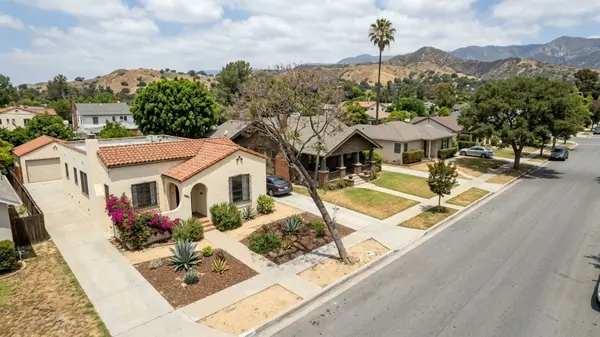
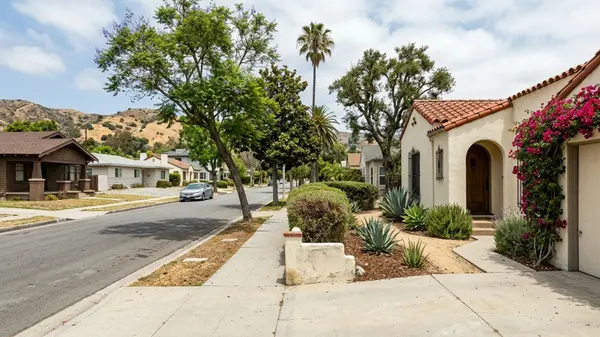
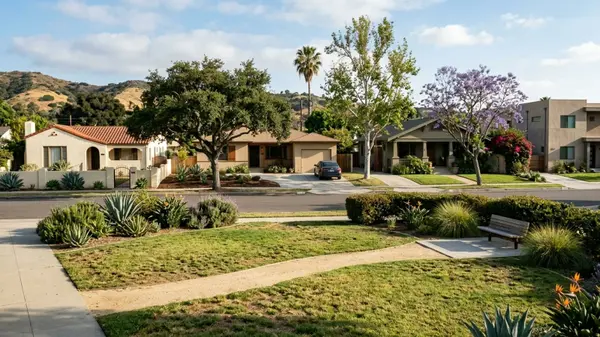
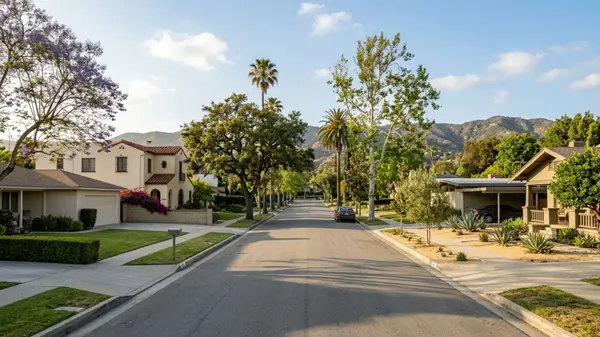
Deciding between the two really comes down to what you want your daily life to look like and what kind of environment suits your goals. Los Angeles offers endless neighborhood overviews to explore, from beachfront condos to hillside estates and dense urban lofts. Pasadena offers a distinct sense of history, lined with mature trees, heritage homes, and a strong community identity.
In this guide, we are going to walk through the real differences between these two areas. We will cover everything from housing numbers and daily commute times to lifestyle perks and local government structures, giving you a clear picture of what to expect before you make your move.
Is Pasadena a Suburb or Part of Los Angeles?
One of the most common points of confusion for out-of-town buyers is figuring out where the city limits actually begin and end. Pasadena is an independent, incorporated city located within Los Angeles County, but it is not a neighborhood of the City of Los Angeles.
Sitting in the beautiful San Gabriel Valley just northeast of Downtown Los Angeles, Pasadena operates completely on its own. The city has its own local mayor and city council, its own municipal services, and its own dedicated police department. It is a fully self-sufficient municipality with its own civic identity.
When people say they live in a "part of Los Angeles," they often just mean the general metropolitan area. However, living in Pasadena means you are dealing with a completely different local government for your utilities, permits, and civic services than you would if you lived in the City of LA. Checking Los Angeles County city breakdowns can help you visualize exactly where these municipal borders are drawn and how the region is organized.
Pasadena vs South Pasadena: What’s the Difference?
To make the map just a bit more confusing, you will also hear a lot about South Pasadena as you explore the area. It is incredibly important to know that South Pasadena is its own distinct, separate municipality, not just the southern neighborhood of Pasadena.
South Pasadena has a noticeably smaller-town feel compared to its northern neighbor. The commercial streets are filled with historic independent businesses, mom-and-pop shops, and a very classic, main-street charm that feels miles away from a major urban center.
Additionally, South Pasadena operates its own distinct school district and provides its own civic services. If you are browsing South Pasadena neighborhood guides, you will quickly see that while the two cities share a border and a name, they offer very different local vibes, local school district boundaries, and administrative frameworks.
Cost of Living and Real Estate Market Comparison
Let's talk about housing costs, because your budget will play a major role in deciding between these two areas. As of early 2026, the median home price in Los Angeles sits at approximately $1,050,000. Meanwhile, Pasadena commands a noticeable premium, with a median home price of roughly $1,300,000.
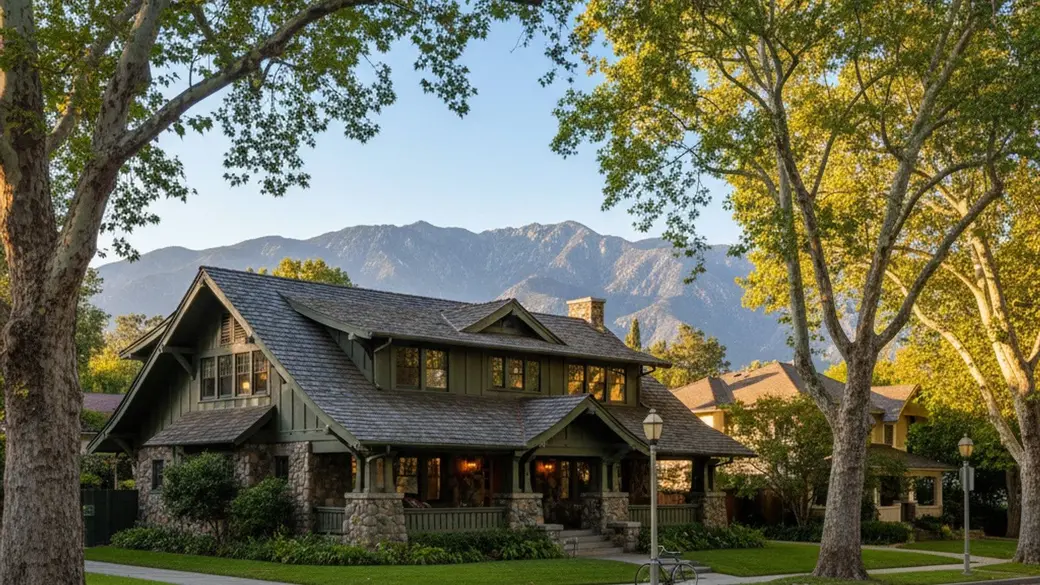
Los Angeles real estate is incredibly diverse, offering everything from high-rise luxury condos downtown to modern architectural estates tucked into the hills. You can explore vibrant, dense areas like West Hollywood or Silver Lake depending on your personal tastes and budget. In contrast, Pasadena is deeply rooted in architectural heritage. Browsing Bungalow Heaven real estate listings will show you blocks of meticulously preserved Craftsman homes that define the city's historic character.
Beyond the purchase price, you also have to factor in the broader cost of living in Pasadena versus Los Angeles. Here is a quick look at how other everyday expenses compare:
-
Property taxes: Both cities fall under California's base property tax laws, but local municipal bonds, parcel taxes, and regional assessments can alter your final tax bill depending on the specific address.
-
Utilities: Pasadena residents use Pasadena Water and Power, which can have different tiered rates and billing structures compared to the massive Los Angeles Department of Water and Power.
-
Everyday expenses: Dining, entertainment, and groceries in Pasadena can sometimes lean slightly higher due to the premium nature of the local commercial districts, though LA's popular hotspots easily match or exceed these costs.
Commuting: Distance Between Pasadena and Downtown Los Angeles
If you plan to work in the city center, understanding the commute from Pasadena to Downtown Los Angeles is critical to your daily routine. The exact distance between Pasadena and Downtown LA is only about 10 to 11 miles, which looks incredibly close when you are just glancing at a map.
However, driving realities in Southern California mean you have to look closely at the 110 Freeway, also known as the Arroyo Seco Parkway. This historic, winding road is beautiful, but it gets congested quickly. Without traffic, this drive takes a breezy 15 to 30 minutes. During peak rush hour, you should expect that same drive to take 45 to 60 minutes.
Thankfully, you do not have to drive if you prefer to skip the freeway. The Metro A Line - formerly known as the Gold Line - connects Pasadena directly to Downtown LA. Taking this light rail option takes approximately 27 to 40 minutes and lets you bypass freeway gridlock entirely. For many professionals, looking at a guide to LA public transit and choosing to buy a home near a Metro station completely transforms their daily lifestyle.
Lifestyle, Vibe, and Things to Do
Moving beyond the commute, your day-to-day lifestyle will feel remarkably different depending on which side of the city line you choose. Los Angeles offers a fast-paced environment, massive culinary diversity, and endless nightlife. You have global entertainment access right in your backyard, from the beaches of Santa Monica to the iconic views at the Griffith Observatory and the major film studios of Burbank.
Pasadena offers a highly walkable, community-focused environment that leans heavily into arts, science, and local history. Old Town Pasadena is famously pedestrian-friendly, packed with upscale dining, historic brick facades, and boutique shopping. The city is also home to major cultural landmarks like the Rose Bowl, the Norton Simon Museum, the Pasadena Playhouse, and the prestigious California Institute of Technology.
When it comes to outdoor access, both cities have great options but very different flavors. Los Angeles residents might spend their weekends hiking the bustling, heavily trafficked trails of Runyon Canyon. Pasadena residents, on the other hand, enjoy immediate proximity to the sprawling Angeles National Forest, local arboretums, and the interactive exhibits at the Kidspace Children's Museum.
Evaluating Crime Statistics and Neighborhood Data
When clients ask about how different areas compare, I always recommend looking directly at the data rather than relying on general reputations. Both Los Angeles and Pasadena have varying crime rates that shift significantly depending on the specific neighborhood, street, or zip code you are considering.
To get the most accurate picture, you should consult official municipal sources. The Pasadena Police Department and the LAPD both provide localized data, heat maps, and historical records that you can review. While Pasadena is often perceived as a quieter municipality, reviewing property crime and violent crime statistics independently is a crucial step for any homebuyer looking in either city.
If you are learning how to research neighborhood data before buying, a great starting point is the California Incident-Based Reporting System. Searching for CIBRS data will give you standardized, objective statistics to compare the specific blocks and communities you are interested in calling home.
Frequently Asked Questions
Is Pasadena part of Los Angeles?
No, Pasadena is not a neighborhood within the City of Los Angeles. It is an independent, incorporated municipality located within Los Angeles County, complete with its own mayor, city council, and municipal services.
Is it cheaper to live in Pasadena or Los Angeles?
Generally, Los Angeles offers a lower median home price at roughly $1,050,000 compared to Pasadena's $1,300,000. However, housing costs and everyday expenses can fluctuate wildly in LA depending on the neighborhood, whereas Pasadena maintains a more consistent premium pricing tier across its borders.
How far is Pasadena from Los Angeles?
Pasadena is located about 10 to 11 miles northeast of Downtown Los Angeles. Depending on traffic along the 110 Freeway, driving that distance can take anywhere from 15 minutes in ideal conditions to an hour during peak rush hour.
Is Pasadena a walkable city?
Yes, specific areas like Old Town Pasadena are highly walkable, featuring dense blocks of retail, dining, and historic architecture. The city is also well-connected by the Metro A Line, making it easy to navigate the central districts without relying on a car.
Categories
Recent Posts