Buying a Home in Orange County, CA vs Irvine in 2026
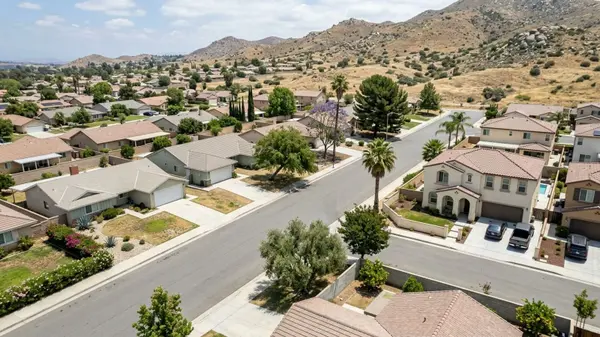
For those living in Orange County, CA, the area covers nearly 800 square miles of Southern California, offering everything from coastal estates to inland tract homes. Buyers often weigh the broader county against Irvine, a massive master-planned city known for structured neighborhood villages and commercial centers.
Deciding between the two comes down to budget, property type preferences, and tolerance for extra assessments like homeowners association dues. Both areas command premium prices, but the specific costs and daily logistics vary significantly from one city limit to the next.
How the Housing Markets Compare
As of mid-2026, the median sale price for homes in Orange County, CA sits at roughly $1,271,000. There are about 5,950 homes on the market across the county, with properties typically selling in 40 days.
Irvine operates at a higher price tier than the countywide average. The city's master-planned layout and newer construction push its median sale price closer to the $1.58 million to $1.6 million range - and that gap matters a lot when you're running numbers on what you can afford.
Median Home Prices
Across Orange County, homes are selling for about 99.4% of their list price, and nearly a third of all properties sell above asking. The countywide median of $1.27 million reflects a 2.5% year-over-year increase.
Irvine is a different story. Recent data shows home values there hovering around $1.6 million, with year-over-year price growth exceeding 8%. If you're comparing those two growth rates side by side, that's not a small difference - it's the kind of number that changes how you think about where you're putting your money.
Housing Inventory and Property Types
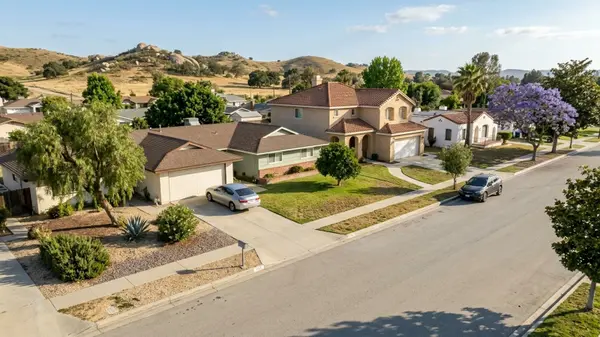
Orange County's overall inventory leans heavily toward single-family detached homes. Condos and townhomes make up the next largest share, with multi-family units representing a smaller fraction of what's available.
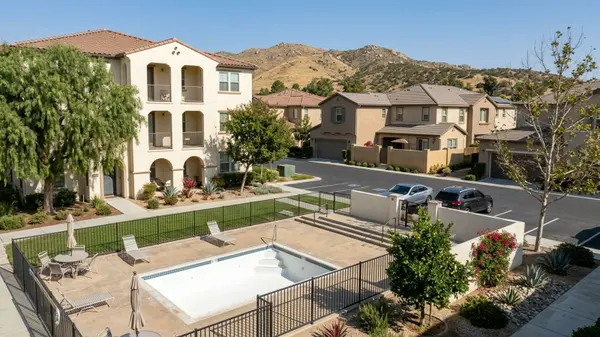
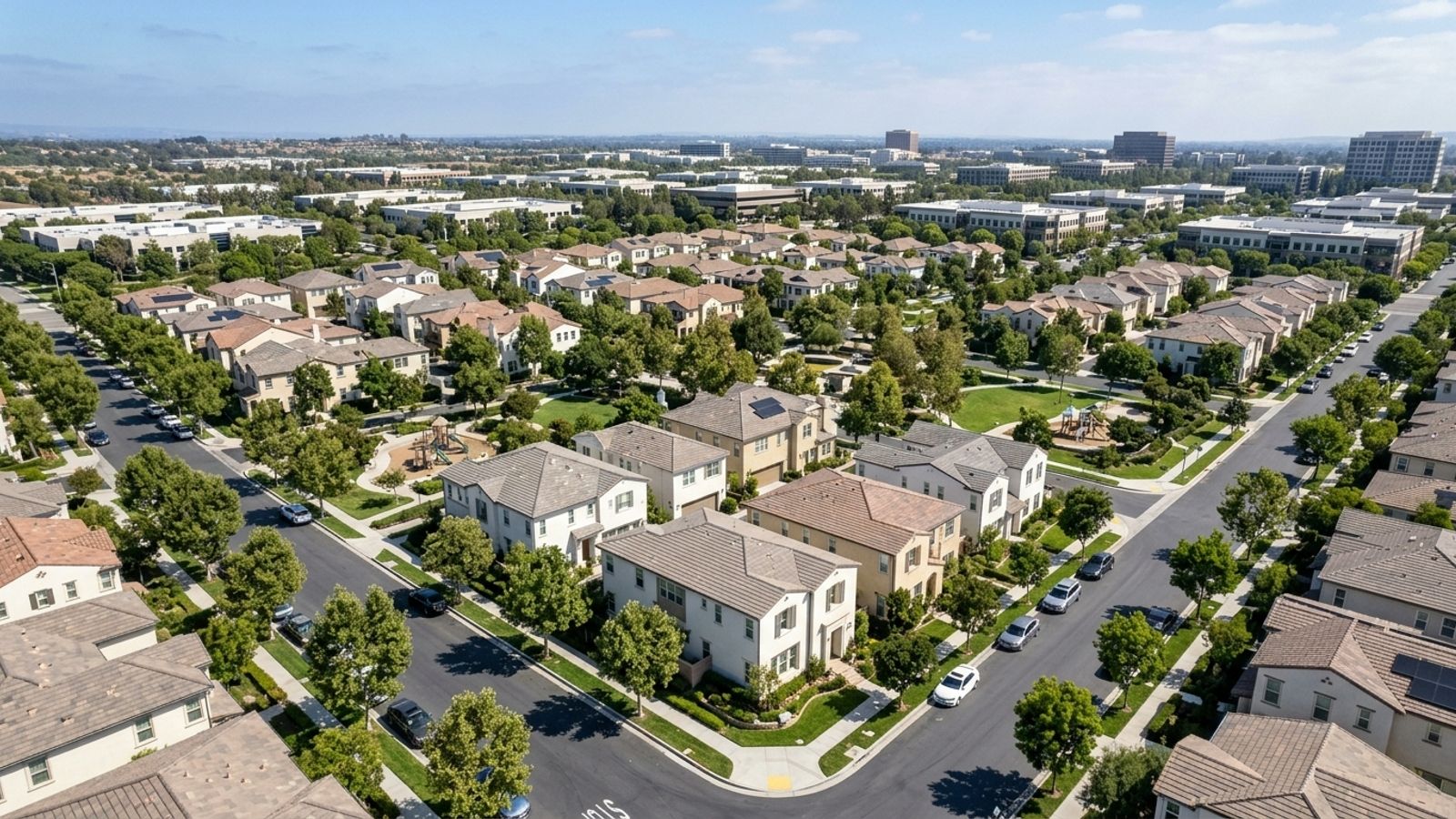
Irvine's housing stock reflects its master-planned origins. You'll find a mix of detached single-family homes and dense condominium complexes, all built within specific village boundaries that include dedicated parks and community pools. There's a consistency to it that some buyers love and others find a little rigid - worth knowing before you fall for a floor plan.
Breaking Down the Cost of Living
California's base statutory property tax rate is 1% of assessed value under Proposition 13. When you fold in local assessments, Orange County's effective property tax rate generally lands between 0.6% and 1.1%.
That range is wider than it sounds. The final tax bill depends entirely on the specific neighborhood and the age of the development, and the difference between an older tract and a newer community can translate to thousands of dollars a year in carrying costs.
Property Taxes and Mello-Roos
Mello-Roos taxes are special district fees used to fund local infrastructure, and they're widespread in Irvine. Nearly all Irvine neighborhoods built after 1988 carry these assessments, which add roughly $1,500 to $5,400 or more to a homeowner's annual tax bill. That's not a rounding error.
Newer South Orange County communities like Mission Viejo, Ladera Ranch, and Coto de Caza also utilize Mello-Roos. If you want to avoid them, you'll need to focus your search on older, established neighborhoods throughout the rest of the county - that's the cleaner path.
HOA Fees and Everyday Expenses
HOA dues are the other line item that catches buyers off guard. In Irvine, fees for detached single-family homes typically run $125 to $350 per month. Condo and townhome owners pay between $250 and $900 monthly. Luxury high-rises like The Plaza can charge over $1,300 per month.
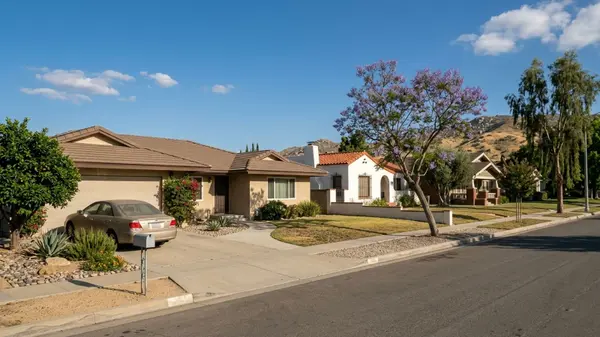
Outside Irvine - particularly in older, non-master-planned tracts - the picture is different. Many Orange County neighborhoods charge $50 to $200 per month, though you'll find Irvine-level fees in other master-planned South County cities. The short version: Irvine's association costs are real and recurring, so build them into your monthly budget before you fall in love with a listing.
Commute Times and Transit Options
Orange County sits about 30 to 40 miles southeast of Downtown Los Angeles. Driving to LA takes roughly 45 to 60 minutes under normal conditions - rush hour is another matter entirely, and you already know that if you've spent any time on the 405.
The region is largely car-dependent. Irvine itself has a Walk Score of 43, which tells you most errands require a vehicle. That's not unusual for Southern California, but it's worth keeping in mind when you're thinking about daily life.
Major Highways and Public Transit
The Orange County Transportation Authority (OCTA) operates the local bus network, with adult monthly passes running about $69. The Metrolink rail system connects Orange County to Los Angeles and San Diego for commuters who want an alternative to driving.
That said, driving remains the primary mode of transportation for most residents. The main arteries are Interstate 5, Interstate 405, and the local toll roads - you'll learn them quickly, whether you want to or not.
Proximity to Employment Hubs
Irvine is one of the largest job centers in Orange County, with numerous corporate headquarters and business parks concentrated there. If you live and work in Irvine, your commute situation is genuinely better than most.
For everyone else in the county, reaching major employment hubs like the Irvine business districts or South Coast Metro in Costa Mesa typically means a 10 to 15-mile drive. San Diego is about 90 miles south - close enough for occasional travel, not practical as a daily commute.
Local Parks, Shopping, and Amenities
Orange County has an extensive network of regional parks, coastal trails, and public beaches. Facilities like Irvine Regional Park and O'Neill Regional Park offer large-scale outdoor recreation for residents across the county, and the retail landscape includes some of the largest shopping destinations in the country.
Parks and Recreation Trails
Irvine's master-planned design weaves outdoor spaces directly into its residential villages. Neighborhoods like Woodbridge and the Great Park area feature walking trails, man-made lakes, and community parks funded by local HOA dues - it's all very intentional, which is either a selling point or a drawback depending on your personality.
The rest of Orange County offers more varied geography. If you want immediate access to natural coastline or rugged canyon trails, those options live in the coastal and foothill cities outside Irvine's city limits.
Shopping and Dining Centers
Costa Mesa is home to South Coast Plaza, one of the largest shopping malls in the United States. Newport Beach has Fashion Island for open-air retail, and Anaheim offers Downtown Disney and the Anaheim GardenWalk.
Irvine residents have direct access to the Irvine Spectrum Center, a large outdoor shopping and entertainment complex that functions as the primary retail hub for the city and the surrounding South County neighborhoods.
Frequently Asked Questions
How much more expensive is buying a house in Irvine compared to the rest of Orange County?
Buying in Irvine requires a meaningfully larger budget. As of mid-2026, the countywide median sale price is roughly $1.27 million, while Irvine's median sits closer to $1.6 million.
Do I have to pay Mello-Roos taxes everywhere in Orange County, CA, or is that mostly just in Irvine?
You don't have to pay Mello-Roos everywhere in Orange County. These special assessments are standard in Irvine neighborhoods built after 1988, but they're generally absent from older, established tracts in other parts of the county.
What are the main lifestyle differences between living in a master-planned Irvine community versus coastal Orange County?
Irvine offers structured villages with built-in amenities like community pools and maintained trails funded by HOA dues. Coastal Orange County provides immediate beach access and older, varied housing styles that often lack master-planned association rules.
Do homes in Irvine appreciate faster than the overall Orange County real estate market?
Yes, recent data points to stronger short-term price growth in Irvine. The overall Orange County median grew by about 2.5% year-over-year in mid-2026, while Irvine home values increased by over 8% during the same period.
How does the daily commute and traffic in Irvine compare to other major Orange County employment hubs?
Irvine is one of the county's primary employment hubs, so residents often have short, localized commutes. People traveling from other parts of Orange County to Irvine or Costa Mesa typically face a 10 to 15-mile drive through standard regional traffic.
Categories
Recent Posts