Mission Viejo vs Lake Forest CA: 2026 Real Estate and Relocation Guide
South Orange County offers some of the most sought-after real estate in Southern California, with buyers frequently weighing their options between neighboring cities. When evaluating the current market, the comparison of Mission Viejo vs Lake Forest CA is one of the most common discussions among prospective homeowners. Both cities provide excellent access to major employment hubs, but they offer distinctly different approaches to community design and housing inventory.
Navigating the 2026 housing landscape requires a clear understanding of what each municipality brings to the table. From master-planned legacy neighborhoods to recent waves of new construction, the housing stock varies significantly across city lines.
The regional market has evolved, and relying on outdated assumptions about these two areas can lead to missed opportunities. Buyers must look closely at how recent developments have shifted property values and local amenities. A detailed side-by-side comparison reveals exactly which city aligns best with your specific real estate goals.
Mission Viejo vs Lake Forest CA: An Overview of South Orange County Living
Situated in the heart of South Orange County, Mission Viejo and Lake Forest share a border and benefit from the same robust regional infrastructure. Both cities fall under the Saddleback Valley Unified School District, providing residents with access to highly rated educational facilities. They also sit just inland from coastal destinations like Newport Beach and Laguna Beach, offering a suburban environment with quick access to the Pacific Ocean.
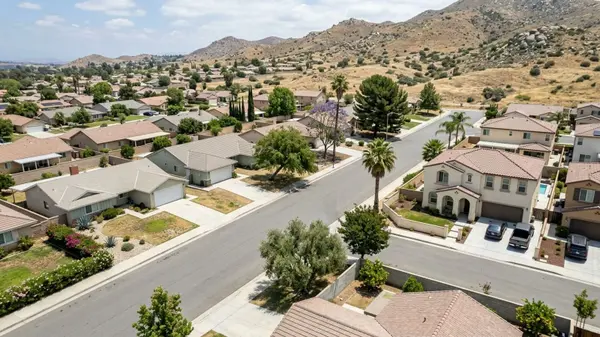
Despite their geographic proximity, the two cities developed under different urban planning philosophies. Mission Viejo was designed as one cohesive, master-planned project primarily built out during the 1970s and 1980s. In contrast, Lake Forest incorporated later and features a wider mix of independent subdivisions, older tracts, and significant modern commercial developments.
For buyers in 2026, this means choosing between the uniform, highly regulated aesthetic of Mission Viejo and the more varied, dynamic landscape of Lake Forest. Your preference will likely depend on whether you prioritize established community consistency or access to newer infrastructure.
Both locations maintain strong property values due to their proximity to the massive economic engine of Irvine. Real estate investors often view these adjacent cities as stable markets with consistent demand from professionals working throughout the county. Choosing between them requires a careful look at the specific property types available within your budget.
Real Estate Market Comparison: Prices and Property Types
The housing markets in both municipalities remain highly active, though their median price points reflect differences in property age and community structure. As of April 2026, the median home price in Mission Viejo hovers around $1,140,000. This figure is largely driven by the city's established inventory of mid-century and late-twentieth-century single-family homes.
Lake Forest currently trends slightly higher, with median prices ranging from $1,200,000 to $1,300,000. This price premium is directly tied to the influx of new construction and luxury developments built over the last decade.
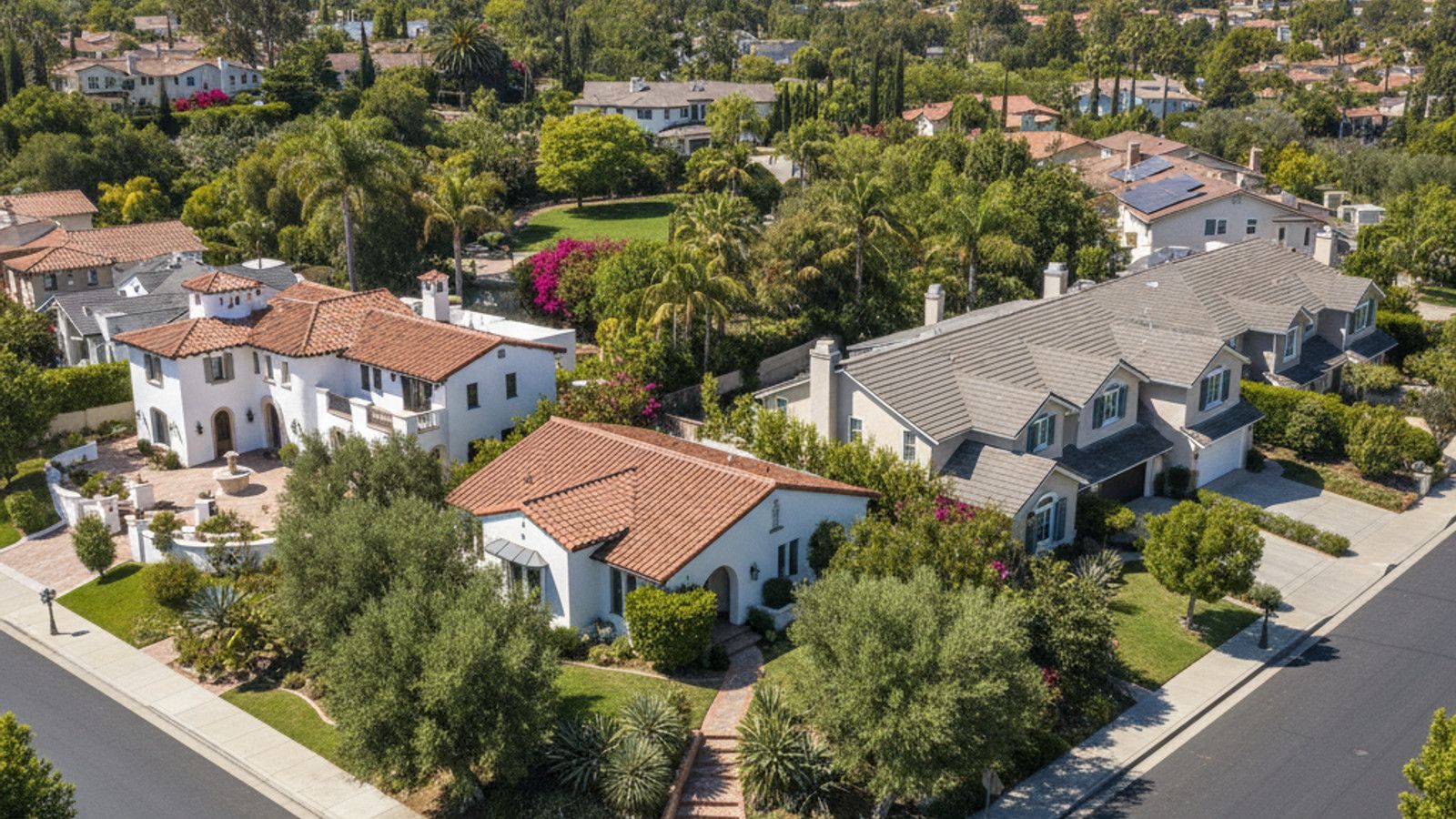
The architectural styles and lot configurations also diverge noticeably between the two areas. Older homes in Mission Viejo generally sit on larger parcels of land, offering expansive backyards and mature landscaping. Lake Forest provides a mix, but its newest communities emphasize maximized interior square footage over large exterior lot sizes.
Inventory levels fluctuate in both cities, but the types of available homes remain relatively consistent year over year. Understanding these physical differences is crucial when matching your budget to your desired property type. You must decide if you value land size and established trees over modern construction and smart-home integration.
Mission Viejo: Master-Planned Neighborhoods and Lakefront Properties
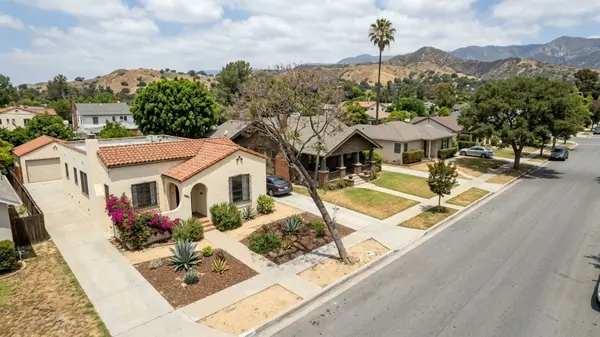
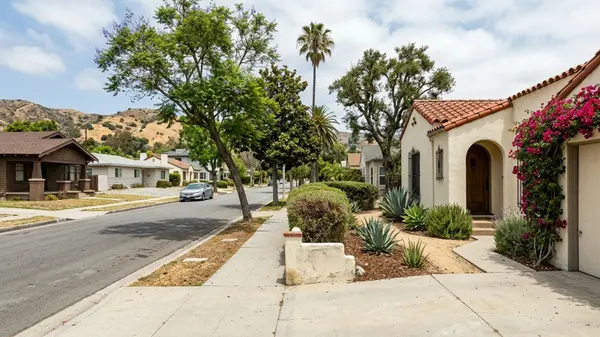
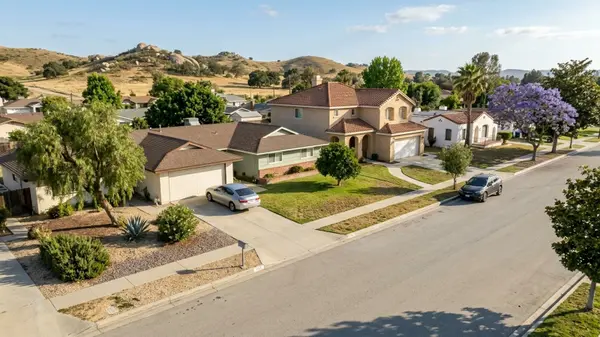
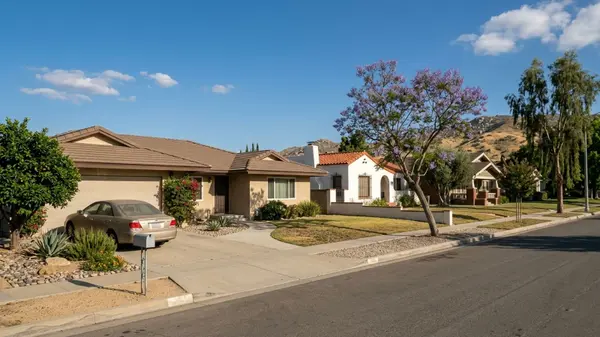
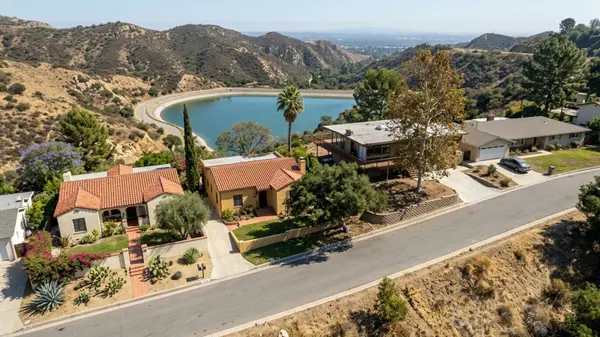
Mission Viejo is defined by its master-planned origins, featuring Spanish-style architecture, uniform tile roofs, and meticulously maintained streetscapes. The housing inventory is heavily weighted toward traditional single-family homes on generous lots, many of which have seen significant interior renovations to meet modern standards. The city is also home to large specialized communities, including Casta del Sol, which shapes a significant portion of the local housing availability.
The crown jewel of the local real estate market is the collection of waterfront homes surrounding Lake Mission Viejo. These premium properties command top dollar and offer private docks, representing some of the most exclusive real estate in South Orange County. Even homes located further from the water often benefit from the cohesive neighborhood design and extensive greenbelts woven throughout the city.
Because the city was largely completed decades ago, buyers will not find brand-new tract developments here. Instead, the market is driven by resale homes that have been upgraded by previous owners. This established nature provides a highly predictable neighborhood aesthetic that rarely changes.
Lake Forest: Varied Subdivisions and New Construction
Lake Forest presents a much broader spectrum of housing styles, ranging from rustic, heavily wooded neighborhoods to pristine modern developments. Older communities like The Woods feature custom homes on large, equestrian-zoned lots without the oversight of a homeowners association.
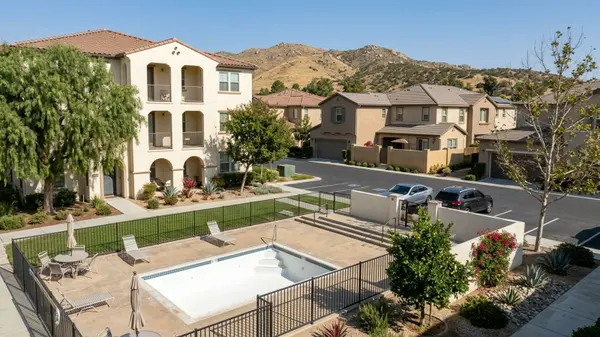
On the other end of the spectrum, recent construction waves in areas like Baker Ranch and Portola Hills have introduced high-density, resort-style living to the city. These newer homes offer contemporary layouts, smart home technology, and smaller, low-maintenance lots. The premium attached to these modern builds is the primary reason Lake Forest's median price currently outpaces its neighbor.
The blending of these distinct eras of construction gives Lake Forest a more eclectic feel than Mission Viejo. Buyers can tour a 1970s ranch home and a 2024 contemporary townhome in the exact same zip code. This diversity makes the city highly appealing to a wider range of architectural tastes.
Cost of Living: HOA Fees, Taxes, and Everyday Expenses
Evaluating the true cost of ownership requires looking closely at the monthly carrying costs associated with each city. Homeowners association dues play a major role in both markets, but the fee structures vary significantly. In Mission Viejo, nearly every home belongs to the Lake Mission Viejo Association, which requires a mandatory fee of approximately $32 per month.
Beyond the lake fee, individual neighborhood HOAs in Mission Viejo typically charge between $100 and $350 per month. These dues generally cover common area landscaping, community pools, and structural maintenance for attached properties. Because the city is older, these fees are well-established, though buyers should always review reserve studies for aging infrastructure.
Lake Forest offers a wider range of financial obligations, starting with older neighborhoods that have absolutely zero HOA fees. However, buyers targeting the newer master-planned communities will face monthly dues ranging from $200 to over $400. Additionally, many of these recent developments carry Mello-Roos assessments, which are special property taxes used to fund local infrastructure.
These Mello-Roos taxes can noticeably increase the overall monthly payment in Lake Forest compared to older Mission Viejo neighborhoods. Buyers must factor these supplementary taxes into their mortgage qualification formulas.
Parks, Recreation, and Local Amenities
The broader region is known for its exceptional outdoor recreation, and both cities deliver extensive amenities for residents. The approach to these facilities, however, highlights the core difference between private community management and public municipal funding. Mission Viejo relies heavily on exclusive, deeded access to its central lake and clubhouses.
Lake Forest, conversely, has invested heavily in massive public infrastructure projects accessible to all residents and visitors. The city maintains dozens of public parks, extensive hiking trails, and large-scale athletic facilities.
Golfers will find options in both municipalities, adding to the resort-style atmosphere of the region. Mission Viejo features the Casta del Sol Golf Course and the Arroyo Trabuco Golf Club, both offering scenic public play. Lake Forest counters with its own local courses and immediate access to the broader network of Orange County fairways.
Private Access vs Public Parks: Lake Mission Viejo and Lake Forest Sports Park
Lake Mission Viejo operates as a private, residents-only facility offering boat rentals, sandy beaches, and summer concert series. Access is restricted to members of the local association, creating an exclusive resort-like environment right in the center of the city. This private amenity is a major selling point for buyers who want dedicated recreational spaces without public crowding.
Lake Forest counters with the impressive Lake Forest Sports Park, an 86-acre public facility featuring multiple turf fields, basketball gymnasiums, and playgrounds. Because it is tax-funded, there are no membership requirements to utilize the vast majority of the park. Additionally, Lake Forest provides immediate access to the Whiting Ranch Wilderness Park, offering miles of rugged trails for mountain biking and hiking.
The choice between these two flagship amenities represents a fundamental lifestyle decision for buyers. You must decide if you prefer spending weekends on a private boat or exploring expansive public wilderness trails. Both options provide exceptional value, but they cater to completely different outdoor interests.
Retail Hubs and Shopping Centers
Commercial convenience is abundant in both municipalities, though they offer different retail experiences. Mission Viejo is anchored by The Shops at Mission Viejo, an upscale enclosed mall featuring major department stores and boutique retailers. This centralized shopping district is complemented by numerous open-air plazas scattered throughout the city's residential zones.
Lake Forest features a more decentralized commercial layout, highlighted by the Foothill Ranch Towne Centre and the newer Baker Ranch commercial plazas. These areas provide massive big-box retailers, modern grocery stores, and diverse dining options. The integration of these commercial hubs near the newer residential developments makes daily errands highly efficient for Lake Forest residents.
Dining out in either city provides access to a wide mix of independent restaurants and established national chains. Mission Viejo offers several lakeside dining options that provide excellent views alongside dinner.
Transportation and Commute Times to Irvine
Commute times are a critical factor for buyers, especially with the heavy concentration of corporate headquarters in neighboring Irvine. Lake Forest holds a distinct geographic advantage here, as it shares a direct border with Irvine. Residents living in the northern sections of Lake Forest can often reach the Irvine Spectrum or the Irvine Business Complex in 10 to 15 minutes via local streets or the I-5 freeway.
Mission Viejo is located slightly further south, which inherently adds distance to the northbound commute. Driving from central Mission Viejo to Irvine typically takes 20 to 30 minutes during morning rush hour, depending on traffic congestion along the I-5 corridor. Both cities offer convenient access to the 241 toll road, providing a valuable alternative route for avoiding the main freeway bottlenecks.
For buyers who prioritize minimizing their daily drive, Lake Forest generally offers the more efficient commute. However, those working further south in cities like San Juan Capistrano or San Clemente will find Mission Viejo's location highly advantageous.
Public transportation options are also available, with the Irvine station serving as a major hub for regional rail travel. Commuters can utilize the Metrolink system to reach Los Angeles or San Diego without navigating freeway traffic. Both Mission Viejo and Lake Forest provide relatively easy access to this rail network, enhancing their appeal for regional commuters.
Frequently Asked Questions
What are the notable differences between Irvine, Lake Forest, and Mission Viejo?
Irvine is a massive commercial hub with dense residential zoning and premium real estate prices. Lake Forest acts as a transitional market, offering a mix of older, spacious lots and dense new construction directly adjacent to Irvine. Mission Viejo sits further south and provides a strictly master-planned suburban environment with an older, more established housing inventory.
Should I move to Mission Viejo CA or Lake Forest CA?
Choosing between the two depends heavily on your budget and architectural preferences. If you want a newer home with modern amenities and a shorter commute to Irvine, Lake Forest is likely the better fit. If you prefer established neighborhoods with mature trees, private lake access, and lower property taxes without Mello-Roos fees, Mission Viejo is an excellent choice.
How do Mission Viejo and Lake Forest compare in terms of property types?
Mission Viejo primarily consists of traditional single-family homes built in the 1970s and 1980s, featuring uniform Spanish-style architecture and large lots. Lake Forest offers a wider variety, ranging from older custom homes with no HOAs to brand-new, high-density attached townhomes. Buyers seeking cutting-edge smart homes will find more options in Lake Forest, while those seeking classic suburban layouts often prefer Mission Viejo.
Categories
Recent Posts