Anaheim vs. Fullerton, CA: A Buyer's Guide to Orange County Real Estate in 2026

Buyers looking in North Orange County frequently find themselves weighing Anaheim vs. Fullerton, CA as their top two choices. Both municipalities offer robust housing options, distinct architectural styles, and strategic access to the Greater Los Angeles employment hubs.
Choosing between the city limits of Anaheim and the city of Fullerton comes down to your specific property priorities and budget requirements. Understanding the differences in median home prices, commute logistics, and local amenities is essential for a successful purchase this year.
Real estate investors also monitor these two markets closely due to their strong rental demand and historical appreciation rates. Both cities provide unique advantages, whether you are looking for a primary residence or expanding your investment portfolio.
Navigating the current property landscape requires a clear understanding of what each city does best. We will examine the specific housing trends, neighborhood characteristics, and economic factors shaping these communities right now.
Analyzing the Anaheim vs. Fullerton Real Estate Markets
The real estate landscape across Orange County remains highly competitive as we move through early 2026. Buyers entering these markets will notice distinct differences in inventory levels and overall pricing structures between the two cities.
Anaheim generally offers a more accessible entry point, with approximate median home prices ranging from $830,000 to $945,000. In contrast, Fullerton maintains a higher price point, where median home values currently sit between $1,000,000 and $1,125,000.
Property taxes across California follow standard state guidelines, but buyers should factor in local assessments and typical HOA fees. My professional advice is to scrutinize these carrying costs closely, as gated communities in both areas often carry monthly dues that significantly impact your purchasing power.
Market velocity in both cities remains brisk, meaning properly priced homes receive multiple offers within their first week on the market. Buyers must be prepared to act decisively when a property matching their criteria becomes available.
Securing your financing early and understanding your absolute maximum budget is crucial before touring properties. The limited inventory across Orange County leaves very little room for hesitation during the negotiation process.
Anaheim Property Types and Neighborhood Characteristics
The housing stock within the Anaheim city limits provides a broad mix of modern condos, attached townhomes, and traditional single-family houses. Investors will also find a healthy supply of multi-family properties and apartment buildings situated near major commercial centers.
Newer developments in Anaheim tend to feature smaller lot sizes to maximize land use near retail districts. This density creates a highly walkable environment in specific neighborhoods, particularly around the central business corridors.
Many buyers are drawn to the planned communities that have replaced older commercial zones in recent years. These updated neighborhoods often include community pools, fitness centers, and shared recreational spaces.
Older sections of the city still offer traditional ranch-style homes built during the post-war housing boom. These properties frequently require cosmetic updates but provide an excellent opportunity for buyers willing to invest in renovations.
Fullerton Property Types and Historic Architecture
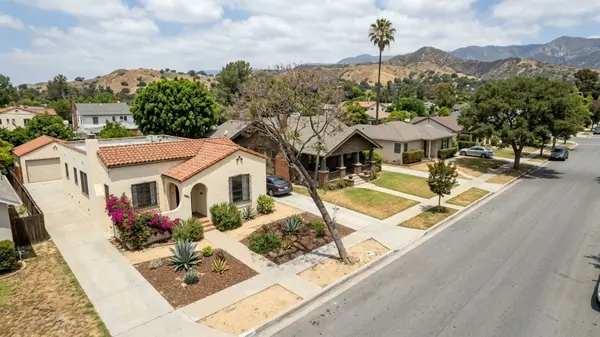
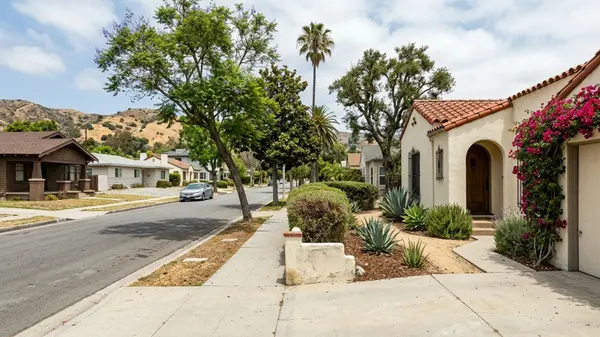
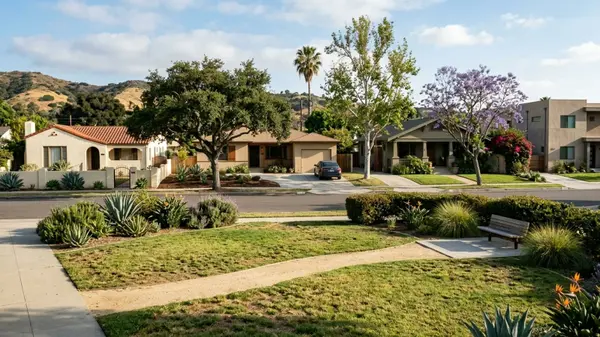
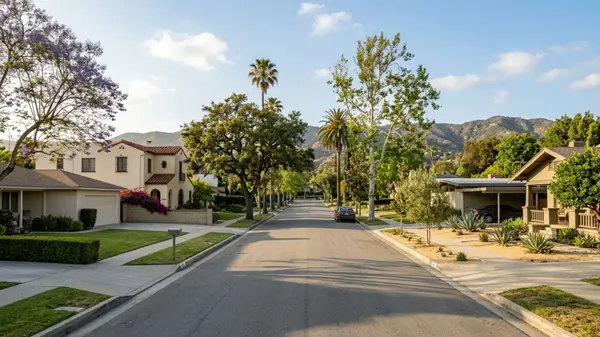
Fullerton stands out for its preservation of historic homes and classic mid-century single-family properties. The residential streets often feature mature trees and architectural styles that reflect the early development of the region.
Lot sizes in Fullerton are traditionally larger than those found in neighboring municipalities. Buyers seeking expansive backyards frequently focus their searches on the established neighborhoods surrounding the university and downtown sectors.
The city also features several distinct equestrian-zoned neighborhoods that are incredibly rare in this part of Southern California. These specialized properties command a premium due to their unique zoning and expansive acreage.
For those seeking lower maintenance living, the downtown area offers a selection of luxury condominiums and loft conversions. These urban-style living spaces appeal to buyers who want immediate walking access to the commercial district and transit center.
Cost of Living and Economic Drivers
Evaluating the cost of living in Orange County requires looking beyond the initial property purchase price. Housing costs remain the primary differentiator between these two markets, but daily expenses also play a major role in your long-term budget.
Fullerton requires a higher housing budget, which directly influences the overall cost of living compared to Anaheim. However, utility rates, local property tax structures, and transportation costs remain relatively consistent across this section of Southern California.
The local job markets provide strong economic foundations for both cities. Anaheim relies heavily on the entertainment and hospitality sectors, while Fullerton benefits from the stability of its extensive educational institutions and healthcare facilities.
My clear takeaway for buyers is to align your housing budget with your employment location to minimize commuting expenses. A slightly higher mortgage in Fullerton might balance out if you work at the local university and eliminate a daily highway commute.
Retail and grocery expenses mirror the broader Southern California averages, with plenty of options ranging from discount supermarkets to premium grocers. Residents can easily control their daily spending by choosing shopping destinations that align with their personal budgets.
Healthcare access is another critical economic driver, with several major medical centers providing high-paying jobs in the region. The presence of these facilities ensures a steady influx of medical professionals seeking housing nearby.
Transportation Infrastructure and Los Angeles Commute Times
Navigating the Greater Los Angeles region requires reliable transportation infrastructure, and both cities offer strategic access to major transit corridors. Residents rely heavily on a network of freeways and regional transit options to reach major employment centers.
Drivers have immediate access to Interstate 5, California State Route 91, and California State Route 57 from either municipality. The Orange County Transportation Authority manages an extensive bus network that connects local neighborhoods directly to these major arteries.
Commuting to Los Angeles during peak rush hour takes approximately 60 to 90 minutes by car from either city. Buyers who prioritize a predictable commute often prefer regional rail options over daily highway driving.
The Metrolink train provides a highly efficient alternative for regional commuters. Riding from the Fullerton station or the Anaheim Regional Transportation Intermodal Center to LA Union Station takes roughly 35 to 45 minutes.
The Orange County Transportation Authority also provides express bus routes that utilize the carpool lanes on major freeways. The service offers a middle ground for commuters who want to avoid driving but lack convenient access to a rail station.
Local traffic patterns heavily depend on the time of day and proximity to major entertainment venues or university campuses. Understanding these micro-commute dynamics is essential when choosing a specific neighborhood within either city.
Educational Infrastructure and Local Institutions
The presence of established educational institutions heavily influences real estate demand and property values in North Orange County. Buyers frequently map out school district boundaries and university proximity before narrowing down their property search.
The Anaheim Union High School District covers a massive geographic area, serving multiple municipalities with a wide array of specialized academic programs. Meanwhile, the Fullerton Joint Union High School District manages the secondary education facilities for the northern portion of the region.
Fullerton holds a distinct advantage for those seeking immediate proximity to higher education campuses. The city is home to California State University, Fullerton, which serves as a major regional employer and cultural hub.
The North Orange County Community College District also operates Fullerton College, which is located near the downtown core. This concentration of academic facilities creates consistent rental demand and a stable micro-economy within the city of Fullerton.
The academic calendar significantly impacts local traffic and retail activity, particularly in neighborhoods directly bordering the campuses. Residents quickly learn to navigate around the university schedules to avoid peak congestion times.
These educational hubs also foster a strong local arts and culture scene that benefits the surrounding communities. Public lectures, theater performances, and collegiate sporting events provide residents with accessible entertainment options year-round.
Local Amenities, Entertainment, and Recreation
The lifestyle offerings in these two cities cater to entirely different preferences and weekend activities. Buyers must decide whether they prefer a bustling, tourist-driven environment or a historically preserved commercial zone.
Anaheim operates as a global entertainment destination, anchored by the Disneyland Resort and Angel Stadium. Residents have immediate access to massive commercial districts, professional sports venues, and large-scale dining complexes.
Fullerton offers a more localized, collegiate atmosphere centered around its historic downtown district. The commercial core features independent restaurants, vintage retail spaces, and a highly active evening scene.
Access to outdoor recreation is excellent in both locations, though Fullerton provides notably more expansive green spaces. Craig Regional Park and the Fullerton Arboretum offer extensive walking trails and botanical gardens for local residents.
Anaheim also boasts the Honda Center, which hosts major concerts and professional hockey games throughout the year. The surrounding Platinum Triangle district has evolved into a dense urban center packed with dining and nightlife options.
Conversely, Fullerton maintains a quieter profile with its extensive network of equestrian and hiking trails in the northern hills. The city prioritizes the preservation of its natural landscapes, offering a stark contrast to the highly developed tourist zones nearby.
Frequently Asked Questions
Is Fullerton a suburb of Anaheim?
No, Fullerton is an independent, incorporated city within Orange County, not a suburb of Anaheim. Both are distinct municipalities with their own city councils, local governments, and civic services. The two cities share a border but operate with entirely separate administrative functions.
What is the cost of living difference between Anaheim and Fullerton?
Fullerton generally carries a higher cost of living due to its elevated real estate prices. Approximate median home values in Fullerton sit around $1,000,000 to $1,125,000, while Anaheim offers more options in the $830,000 to $945,000 range. Daily expenses like groceries and utilities remain fairly comparable across both cities.
How long is the commute from Fullerton or Anaheim to Los Angeles?
Driving to Los Angeles from either city during peak morning traffic typically takes 60 to 90 minutes. For a faster alternative, the Metrolink train from either the Fullerton or Anaheim stations reaches LA Union Station in approximately 35 to 45 minutes.
Categories
Recent Posts