Navigating the Average Cost of a Home in Riverside CA in 2026
Understanding the average cost of a home in Riverside CA is a crucial first step for anyone looking to purchase property in the Inland Empire this year. Riverside offers a distinct blend of historic architecture and modern infrastructure that continues to draw interest from buyers across Southern California. As the 2026 housing market unfolds, prospective buyers are finding a landscape that looks quite different from the rapid price escalations seen in recent years.
Navigating Riverside housing requires looking beyond just the sticker price to realize what you actually get for your money. The median sale price provides a solid baseline, but local real estate trends show significant variations depending on the exact zip code and property type. Buyers entering the market today need a clear picture of both upfront property costs and the long-term expenses associated with living in Riverside.
What Is the Average Cost of a Home in Riverside, CA in 2026?
Buyers exploring homes for sale on platforms like Zillow or Redfin this year will find that the median home price in Riverside currently sits between $640,000 and $685,000. This range reflects a broader stabilization in the local market as inventory levels have steadily risen. While prices rose sharply through 2024, that trajectory has leveled off, giving buyers more room to negotiate.
Beyond the top-line price, the average cost per square foot hovers around $384. This metric is incredibly useful for comparing the baseline value of older historic properties against newer builds. A higher price per square foot often points to recent renovations or premium lot locations rather than just total living space.
Current market trends indicate a transition into a much more balanced environment for both buyers and sellers. With more active listings hitting the MLS, working with a real estate agent is essential, but buyers no longer have to waive every contingency just to get an offer accepted. This cooling phase represents a healthy correction that makes planning a purchase much more predictable.
Riverside Neighborhood Price Comparison
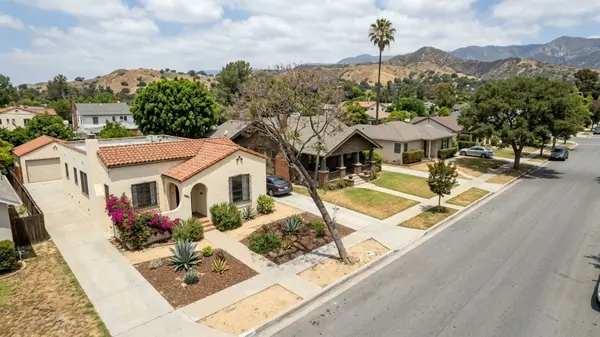
Knowing the overall average is helpful, but real estate is deeply local, and home prices shift dramatically from one neighborhood to the next. The cost of living in Riverside is heavily influenced by the specific community you choose and the type of property you intend to buy. A historic bungalow will carry a very different financial profile than a large property in a master-planned development.
When you start touring different zip codes, you will quickly realize how much location impacts the final purchase price. Buyers should evaluate each area based on their specific budget and the architectural styles they prefer. Here is a breakdown of what to expect in three distinct Riverside neighborhoods right now:
-
Canyon Crest: Properties here typically range from $715,000 to $722,000. This area commands a premium due to its proximity to the university and local commercial centers.
-
Wood Streets: Known for strict historic preservation standards, homes in this district generally sell between $624,000 and $660,000. Buyers here are paying for unique architectural details and established streetscapes.
-
Mission Grove: This master-planned sector sees average prices around $782,000. The higher price tag often includes larger lot sizes and integrated community amenities.
Additional Homeownership Expenses in Riverside County
The purchase price is only one part of the financial equation when calculating the cost of a property. Living in Riverside requires budgeting for ongoing maintenance, taxes, and local utilities that will impact your monthly bottom line. Buyers must factor these recurring expenses into their mortgage loan calculations to ensure long-term affordability.
Property tax rates in Riverside County generally fall between an effective rate of 1.20% and 1.50% of the assessed value. Sellers and buyers also need to account for the Riverside County transfer tax, which currently sits at approximately $1.10 per $1,000 of the sale price. These figures can add thousands of dollars to your closing costs and annual budget.
Monthly carrying costs also include utilities, high-speed internet, and potential association dues. The average utility bill runs about $364 per month, with electricity accounting for roughly $270 of that total during the hotter months. If you purchase in a master-planned community, expect HOA fees to range from $200 to $400 per month.
Objective Location Features and Amenities
A major factor driving property values in the region is the physical infrastructure and accessibility of the city. Riverside serves as a major transit hub for the Inland Empire, offering direct transport access to the SR-91 and I-215 freeways. Commuters also benefit from the local Metrolink station, which provides an alternative route toward Los Angeles and Orange County.
Educational zoning also plays a significant role in real estate demand across the city. Many neighborhoods fall within the boundaries of the Riverside Unified School District, which manages numerous campuses throughout the area. Buyers consistently monitor school zoning maps when evaluating long-term property investments.
Access to recreation, health care, and retail centers further supports local housing demand. Residents utilize Fairmount Park and Mount Rubidoux for outdoor activities, while the Riverside Plaza serves as a primary hub for food and shopping. Properties located within a high Walk Score radius of these amenities typically maintain strong resale value.
Frequently Asked Questions
What salary do you need to live in Riverside, CA?
To comfortably afford a median-priced home of $640,000 in 2026, buyers generally need a household income of around $140,000 to $160,000. This assumes a standard down payment and accounts for current mortgage rates and local property taxes. Your specific income requirement will vary based on your debt-to-income ratio and the size of your loan.
Is it expensive to live in Riverside, CA compared to other areas?
Riverside remains more financially accessible than major coastal hubs like Los Angeles or San Diego. While the cost of living here is higher than the national average, it offers a noticeable discount compared to neighboring Orange County. Residents save significantly on housing costs while still maintaining access to the broader Southern California job market.
How quickly are homes selling in Riverside, CA?
In 2026, homes in Riverside typically go under contract in 42 to 63 days. This represents a return to a normal market pace compared to the frantic buying cycles seen a few years ago. Well-priced properties in excellent condition still move quickly, but buyers generally have more time to conduct proper inspections.
Categories
Recent Posts