Strategies for Investing in Riverside CA Real Estate in 2026
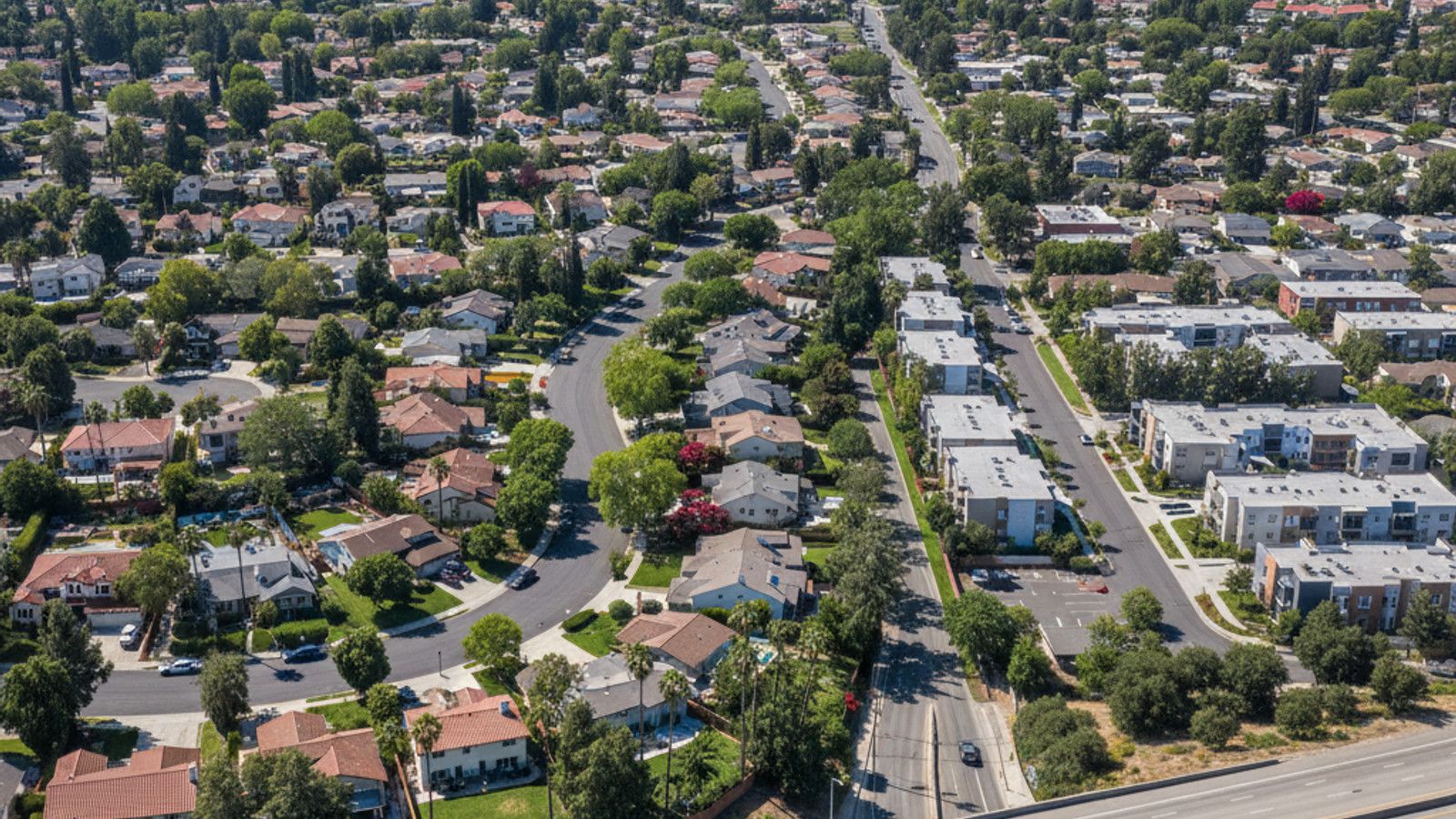
Southern California presents a complex landscape for property buyers, but the Inland Empire continues to offer distinct opportunities. As we navigate the spring of 2026, the local market has stabilized into a predictable rhythm. Buyers are looking closely at regional hubs that balance economic expansion with accessible entry points.
Riverside stands out as a focal point for this regional growth, anchored by major educational institutions and expanding transit corridors. Investors are shifting their focus away from the volatile coastal markets toward areas with sustainable tenant demand. Understanding the current metrics in this specific city is crucial for building a profitable portfolio this year.
Current Real Estate Market Trends in Riverside, CA
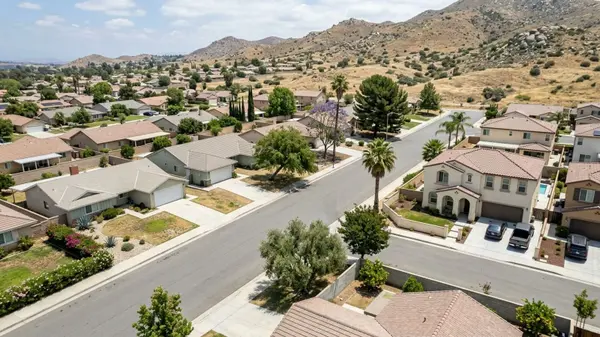
The local housing landscape has transitioned into a more balanced environment with slight year-over-year price adjustments. As of early 2026, the median home price in Riverside ranges from approximately $640,000 to $650,500. This pricing tier offers a more accessible entry point compared to neighboring coastal counties.
Rental demand remains robust, driven by a steady influx of new residents seeking employment and educational opportunities. Average rental rates currently sit between $2,335 and $2,399 per month across the city. With vacancy rates hovering around 4.6%, property owners are experiencing consistent occupancy and shorter turnover periods between leases.
This market equilibrium heavily favors long-term hold investors who prioritize steady cash flow over rapid appreciation. The current balance between median prices and rental yields creates a predictable environment for projecting annual returns. Holding properties over a five to ten-year horizon is the most effective strategy for capturing value in this specific climate.
Economic Drivers and Local Infrastructure
Housing demand in the region is closely tied to the expansion of major employment sectors. The University of California, Riverside (UCR) acts as a massive anchor, generating localized demand for off-campus housing and faculty accommodations. Beyond education, the city has seen significant growth in the healthcare, manufacturing, and logistics industries.
Physical infrastructure plays an equally important role in supporting property values. Riverside benefits from its proximity to major transportation corridors, specifically the CA-91 and I-215 freeways. These routes facilitate typical commute times of 60 to 90 minutes to major employment hubs in Los Angeles and Orange County.
Ongoing infrastructure expansion directly supports sustained property valuation across the Inland Empire. Properties located within a short drive of these upgraded transit corridors consistently maintain higher tenant retention rates. Investors should prioritize acquisitions near these logistical arteries to ensure long-term asset stability.
Property Types and Investment Strategies
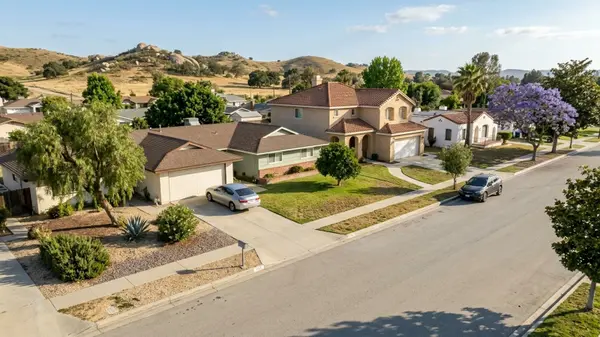
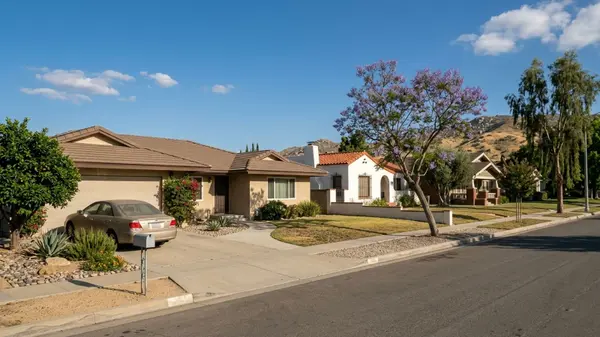
The local inventory offers a diverse mix of single-family homes and multi-family units. Single-family residential properties typically generate traditional capitalization rates between 3.0% and 4.7%. These homes often attract long-term renters who value proximity to local amenities like Mount Rubidoux Park and the historic downtown district.
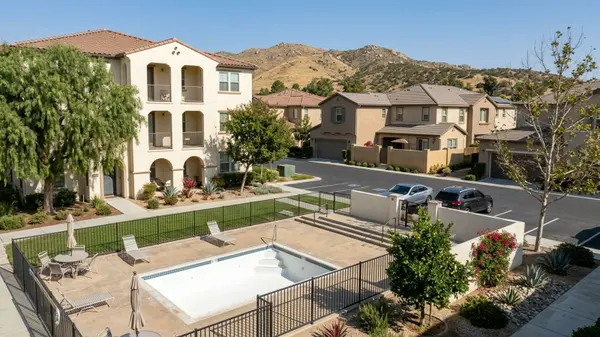
Multi-family properties present a different financial profile for buyers entering the market. Cap rates for these units generally range from 3.98% to 7.33%, with variations depending heavily on property age and tenant quality. Smaller duplexes and fourplexes remain highly sought after due to their favorable financing options.
Multi-family units currently offer the best cash flow potential for new investors in 2026. Consolidating multiple rental incomes under a single roof mitigates the financial impact of a temporary vacancy. This strategy provides a stronger buffer against unexpected maintenance costs while maximizing monthly revenue.
Riverside County Property Taxes and Regulations
Understanding the local tax structure is essential for accurately projecting your net operating income. Under California Proposition 13, the base property tax rate is set at 1.0% of the assessed value. However, the effective tax rate in Riverside County typically ranges from 1.20% to 1.55% for 2026.
This higher effective rate is primarily due to local school bonds and special assessments. Mello-Roos Community Facilities Districts are common in newer developments and fund local infrastructure projects like roads, schools, and utility expansions. These special tax districts can significantly increase total tax liabilities for property owners.
Property reassessment occurs automatically upon the transfer of ownership, resetting the tax basis to the current purchase price. Investors must rigorously factor these updated taxes and any Mello-Roos fees into their initial net operating income calculations. Failing to account for these specific county assessments will quickly erode projected profit margins.
Frequently Asked Questions
Is Riverside, CA a good place for real estate investment in 2026?
Riverside offers a strong environment for property investment due to its balanced median prices and regional economic growth. The consistent tenant demand supports average rental yields of roughly $2,335 to $2,399 per month. This combination of steady income and a stabilizing market makes it a highly viable location for long-term holds.
How do Mello-Roos fees affect Riverside investments?
Mello-Roos fees fund local infrastructure and can push effective tax rates up to 1.55% in certain neighborhoods. These assessments directly impact your monthly expenses and reduce overall cash flow. Investors must verify specific parcel tax data through county records before finalizing any financial projections.
Categories
Recent Posts