Understanding the Average Rent in Riverside CA: A 2026 Market Guide
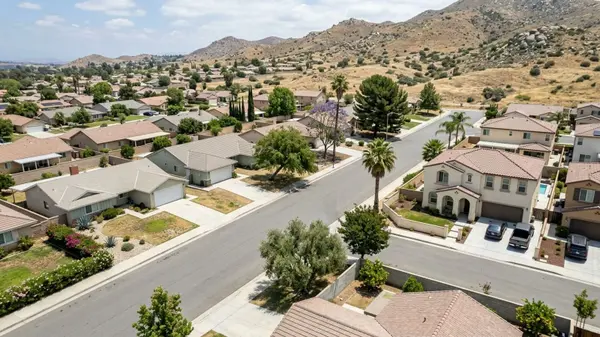
Finding an apartment in Southern California requires careful financial planning, and Riverside remains a distinct market within the Inland Empire. Renters moving to the area in 2026 often look here as a strategic alternative to the steep housing costs of coastal cities. The local market offers a diverse mix of historic homes and modern apartment complexes to fit different lifestyle needs.
Tracking rental data provides a clear picture of what you can expect to pay before signing a lease. While prices have shifted over the past few years, the current landscape requires an understanding of neighborhood differences and commuting logistics. Knowing the exact figures helps prospective tenants establish a realistic budget for housing and utility expenses.
Securing a lease often involves navigating strict income requirements and competitive application processes. Having a firm grasp on neighborhood averages allows you to negotiate effectively with property managers. This guide breaks down the financial realities of renting in this specific market right now.
Riverside CA Apartment Price Trends in 2026
The overall average rent in Riverside currently hovers around $2,236 per month. This figure sits slightly higher than the national average, but it represents a budget-friendly option when compared directly to the rental markets in Los Angeles or Orange County. Renters often find that their housing dollar stretches further here, allowing for larger floor plans or better amenities.
Inventory levels across the city show a healthy balance between single-family residential leases and multi-family apartment complexes. Data from last year showed a stabilization in price hikes, and that momentum has carried into this year, creating a market that slightly favors renters. Landlords are currently offering more competitive lease terms to attract reliable tenants to their properties.
New construction projects entering the market have also helped ease the pressure on existing rental stock. This influx of available units gives prospective tenants more leverage during the application process. Taking the time to compare different complexes can result in favorable move-in concessions.
Average Rent by Apartment Size
The number of bedrooms and total square footage heavily dictate the final monthly cost of any lease. Renters prioritizing affordability tend to look at smaller footprints, while larger households must account for a significant jump in pricing. It is crucial to match your space requirements with realistic budget expectations.
-
Studios: Expect to pay between $1,473 and $1,708 for a compact layout.
-
1-bedroom apartments: These units typically range from $1,873 to $1,947 per month.
-
2-bedroom apartments: Standard layouts average between $2,287 and $2,379.
-
3-bedroom units: Larger apartments and single-family rentals demand $2,779 to $2,943.
These figures represent the median asking prices across the entire city limits. Premium upgrades, in-unit laundry, and covered parking will push an individual listing toward the higher end of these ranges. Conversely, older buildings without modernized interiors generally offer leases closer to the lower end of the spectrum.
Current Average Rent by Neighborhood in Riverside CA
Location heavily influences rental pricing across the various districts within the city. Neighborhoods like Mission Grove and Downtown Riverside command higher monthly premiums due to their proximity to commercial centers and dining options. Conversely, areas like Arlanza offer more accessible price points for tenants willing to commute a bit further to major hubs.
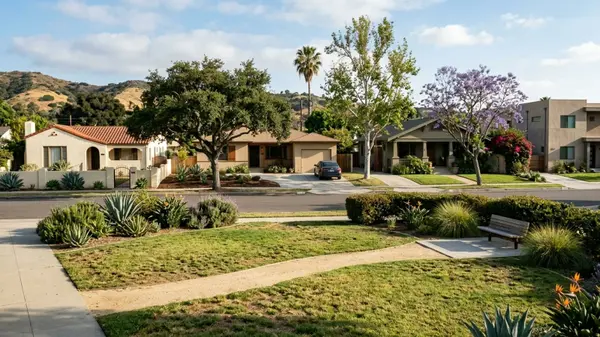
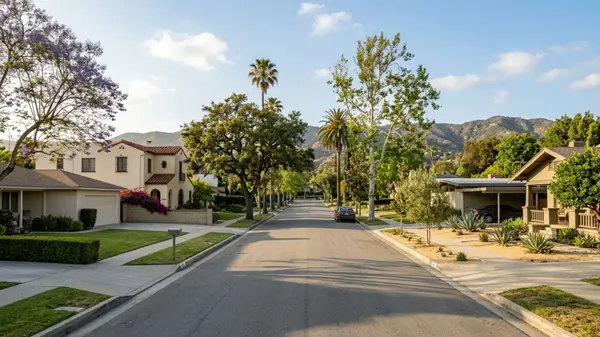
The architectural styles and property ages also vary wildly from one zip code to the next. Renters can choose between century-old historic properties with mature landscaping or brand-new developments featuring modern community amenities. Proximity to major employment centers and university campuses consistently keeps local rental demand high in specific pockets of the city.
Understanding these neighborhood variations is essential for finding a property that fits your specific lifestyle requirements. A lower base rent in a distant neighborhood might be offset by increased transportation costs. Evaluating the total cost of living in a specific zip code provides a more accurate financial picture.
Contrasting the Wood Streets and Canyon Crest
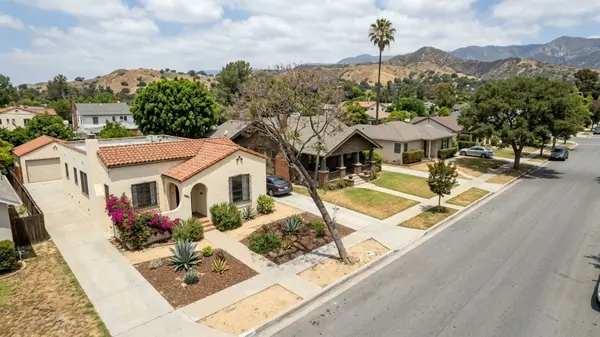
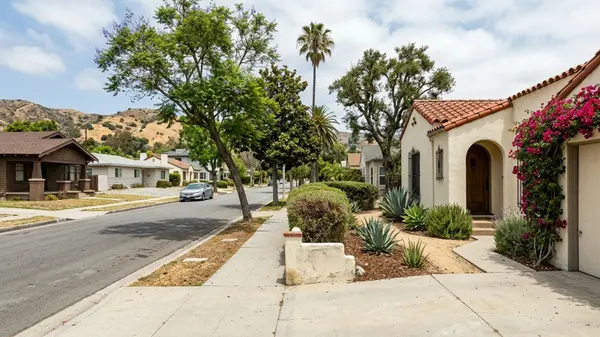
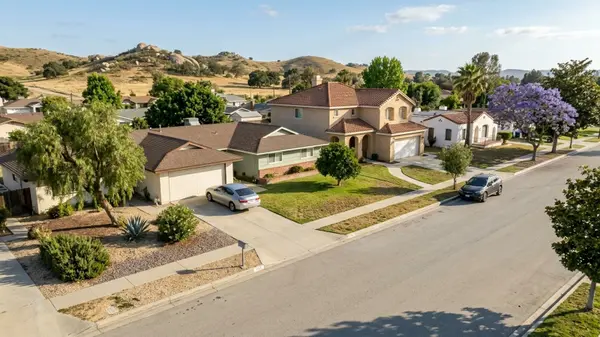
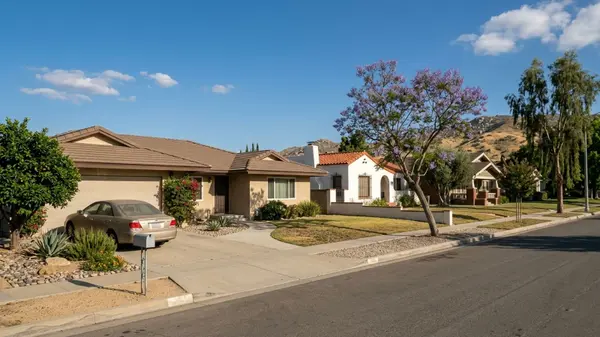
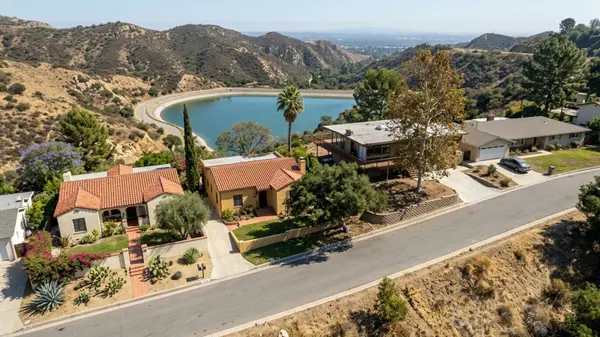
The Wood Streets neighborhood is characterized by its historic single-family homes, many of which were built prior to 1939. Tenants renting in this district pay a premium for the unique architecture and established streetscapes, with median rents sitting around $2,714. This area appeals to renters looking for a traditional residential environment rather than a dense apartment complex.
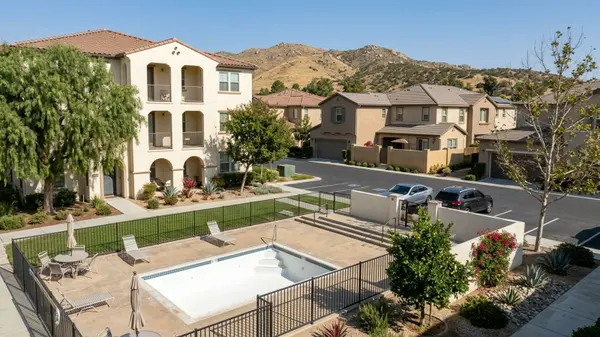
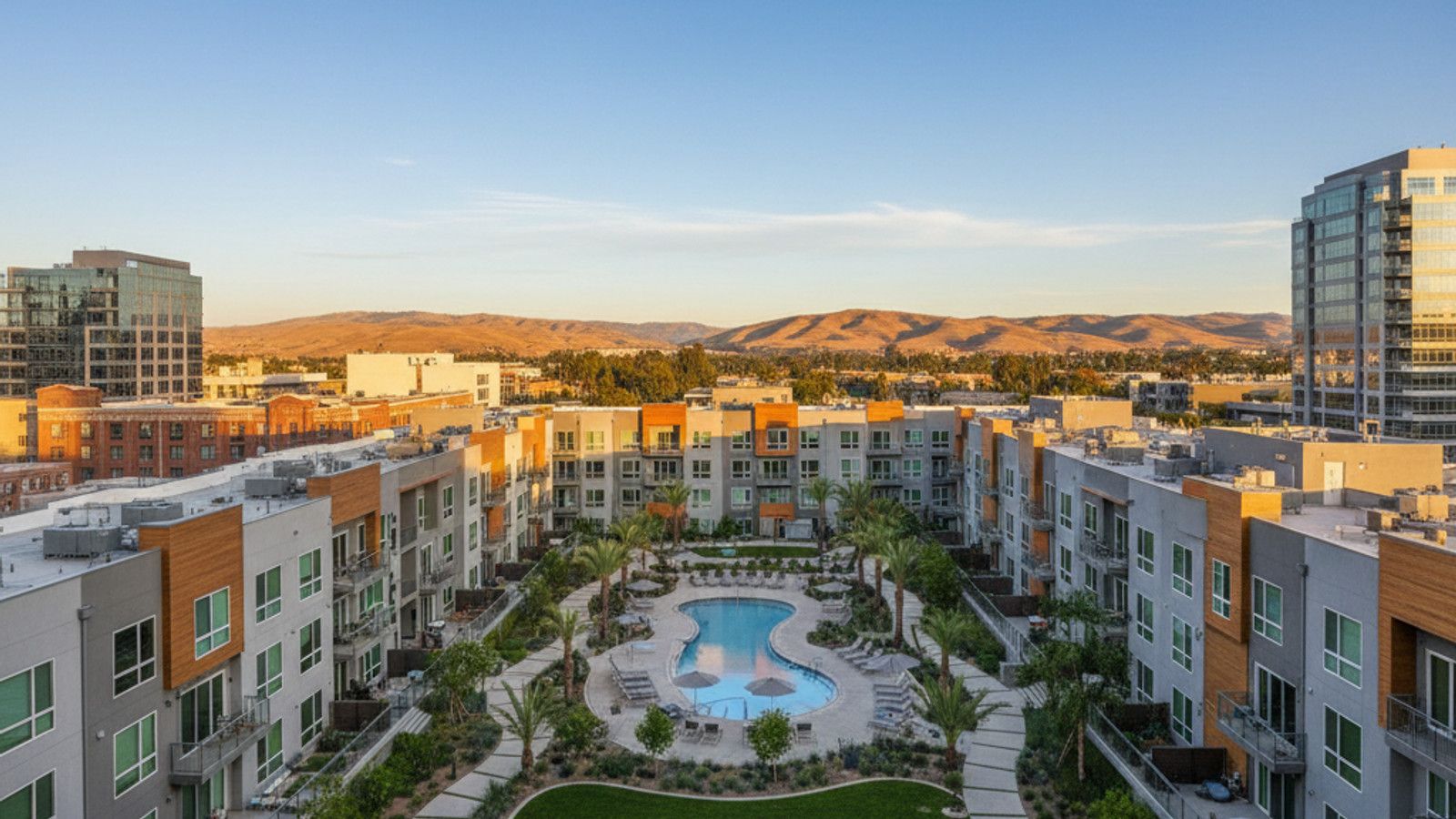
Canyon Crest provides a stark contrast, featuring a high concentration of newer multi-family units and apartment communities. The average rent here is approximately $2,383, which often includes access to modern amenities like community pools and fitness centers. The proximity to the Canyon Crest Towne Centre makes this area highly convenient for daily shopping and retail access.
Proximity to Landmarks and Major Infrastructure
Riverside is geographically expansive, making your daily commute a critical factor in choosing where to rent. The UC Riverside campus and the amenities of Downtown Riverside serve as central landmarks that drive significant rental demand. Properties located within a short distance of these hubs rarely stay on the market for long.
Access to major transit corridors also dictates rent premiums across the region. The 91, 60, and 215 freeways act as critical arteries for vehicle commuting into Los Angeles and Orange County. Renters often pay slightly more to live near freeway on-ramps to shave valuable minutes off their daily drive.
The convenience of living near these structural hubs cannot be overstated for professionals navigating Southern California traffic. A strategically located apartment can drastically reduce the stress of a daily commute. Weighing the cost of a higher rent against the time saved on the road is a necessary calculation.
Riverside CA Public Transit: Metrolink Commute Times
For those who prefer to avoid freeway traffic, the local Metrolink network offers a reliable alternative. The Riverside Downtown and La Sierra stations provide excellent connectivity through the 91/Perris Valley and Inland Empire-Orange County lines. These stations feature dedicated parking structures and straightforward boarding processes for daily riders.
Travel between the Riverside Downtown and La Sierra stations takes just 12 to 14 minutes, with ticket costs ranging from $6 to $9. For longer trips, commute times from Riverside to LA Union Station average approximately 1.5 hours. Utilizing this rail network can drastically reduce vehicle wear and tear for regional commuters.
Average Utility Costs for Renters in Riverside CA
Beyond the base rent, tenants must accurately budget for monthly utility expenses based on the local climate. The average combined cost for electricity, gas, heat, water, and trash for a standard 915-square-foot apartment runs approximately $284 per month. Some apartment complexes include water and trash in the rent, but tenants generally shoulder the electricity and gas bills.
Riverside sits in a high desert climate zone, which heavily impacts seasonal utility costs. Summer temperatures regularly exceed 100 degrees, making reliable air conditioning an absolute necessity. Renters must budget for significant spikes in electricity usage from June through September to maintain comfortable indoor temperatures.
Older properties with poor insulation will naturally cost more to cool during these peak summer months. Asking a landlord or property manager for historical utility averages before signing a lease is a smart financial move. Factoring these fluctuating costs into your annual budget prevents unexpected financial strain.
Frequently Asked Questions
Can I afford $2,000 rent if I make $6,000 a month in Riverside, CA?
Yes, a $2,000 monthly rent fits perfectly within the standard 30 percent gross income rule for housing affordability. Earning $6,000 a month means your rent is exactly one-third of your pre-tax income. This ratio generally satisfies the strict income requirements set by most local property management companies.
What is the most affordable neighborhood to rent an apartment in Riverside?
Neighborhoods like Arlanza and the Eastside frequently offer the most competitive lease rates in the city. Rents in these areas often fall below the $2,000 mark for a standard one-bedroom apartment. These districts provide practical housing options while maintaining decent access to local transit routes.
Does rent in Riverside drop during the winter months?
The local rental market typically experiences a slight dip in demand and pricing between November and January. Landlords occasionally offer move-in specials during this winter slowdown to fill vacant units. Signing a lease during these colder months can secure a lower base rent compared to the peak summer moving season.
Categories
Recent Posts