Planning to Build My Own Home in Riverside CA: A Complete 2026 Guide
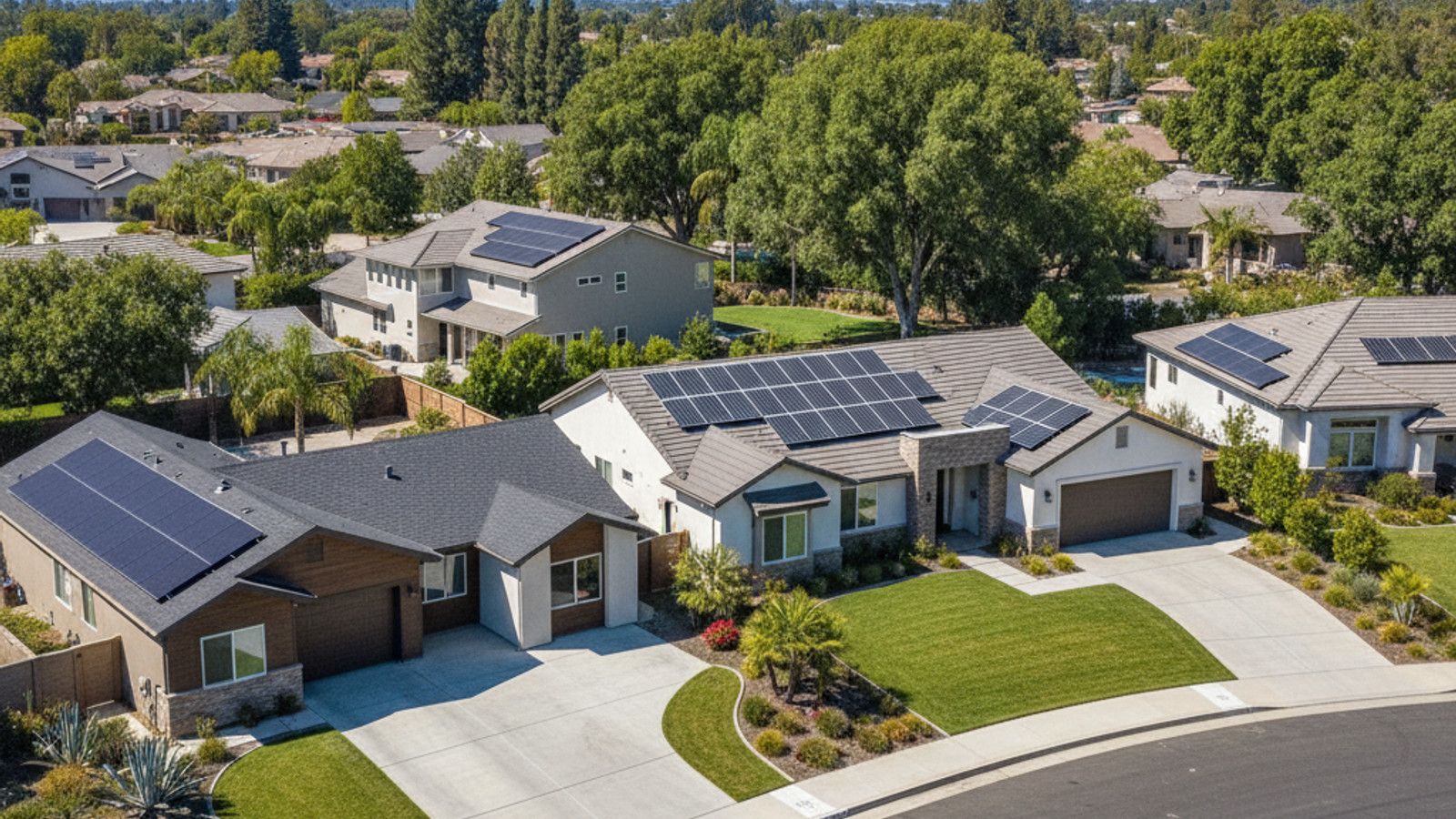
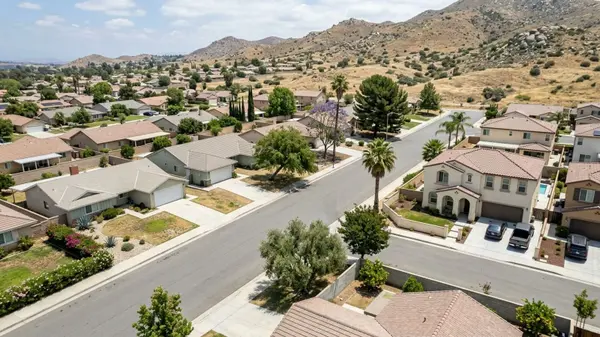
Taking on new home construction in Southern California requires careful planning, a solid budget, and an understanding of local municipal codes. Riverside offers a unique opportunity for buyers who want specific floor plans, energy-efficient features, and modern amenities that existing single-family homes might lack. The current real estate market has pushed many buyers to explore land acquisition as a viable alternative to bidding wars on aging properties.
Navigating the entire process from start to finish demands patience and the right team of professionals. Whether you are looking at a sprawling parcel near the Santa Ana River or a smaller infill lot closer to downtown, understanding the baseline costs is critical. This guide breaks down exactly what to expect when taking a custom build from raw dirt to a finished residence in 2026.
The Step-by-Step Construction Process in Riverside
The journey of building a house typically spans 12 to 18 months from initial planning to the day you receive your keys. This timeline accounts for everything from architectural drafting to the final municipal inspections required by the City of Riverside. Setting realistic expectations for this schedule helps prevent frustration when inevitable weather delays or supply chain hiccups occur.
The process officially begins with a comprehensive land survey and a feasibility assessment for your single-family home. From there, you will collaborate with an architect to finalize floor plans and engineering requirements that meet modern building codes. Once the blueprints are ready, your builder will submit the applications through the Riverside Building and Safety Division using the city POSSE Land Management System.
After the city grants the necessary permits, the physical construction process kicks off with extensive site preparation. Crews will grade the lot, lay the foundation, frame the structure, and install rough plumbing and electrical wiring. The final phase involves interior finishes, passing all mandatory city inspections, and finally obtaining the Certificate of Occupancy.
Riverside Custom Home Cost Breakdown for 2026
Understanding the financial realities of custom home construction is the most important step before purchasing land. In the current 2026 market, building a custom residence in Riverside typically costs between $250 and $600 per square foot. This means a standard 2,000-square-foot home generally requires a budget of $600,000 to $1,200,000, and that figure does not include the price of the lot.
The total budget is divided into hard costs and soft costs. Hard costs cover the tangible elements of the build, such as the concrete foundation, lumber framing, roofing materials, and interior fixtures. Soft costs encompass the necessary administrative and design expenses, including architectural fees and mandatory environmental reports.
Buyers must also account for municipal expenses when finalizing their construction loans. City of Riverside impact fees, plan checks, and building permit expenses typically range from $40,000 to $100,000 depending on the scope of the project. Additionally, architectural and engineering design services will add an approximate $20,000 to $50,000 to your overall budget.
Lot Selection and Riverside Zoning Regulations
Finding the right parcel of land dictates the design possibilities and the overall expense of your project. Undeveloped city lots in Riverside currently range from approximately $179,000 for smaller parcels to well over $690,000 for prime locations with extensive acreage. Buyers must look beyond the purchase price and evaluate the specific zoning restrictions attached to the property.
Residential zoning codes in Riverside dictate crucial build parameters, including property line setbacks, maximum lot coverage, and rules for accessory structures. Adding necessary infrastructure like grading, sewer connections, and electrical grid access can add an estimated $20,000 to $200,000 to the site work. Thoroughly evaluating a lot before closing the deal is essential to avoid purchasing unbuildable land.
When scouting potential locations, you must evaluate the physical attributes of the property. Keep the following evaluation criteria in mind to ensure the land meets your daily needs:
-
Proximity to major commuting corridors like SR-91 and I-215 for daily travel convenience.
-
Distance to local amenities such as Fairmount Park, the Santa Ana River Trail, and nearby retail centers.
-
Availability of public utilities, including municipal water, sewer connections, and electrical grid access.
-
Specific neighborhood zoning designations that might restrict the square footage or height of your planned residence.
How to Vet Local Homebuilders and Architects
Hiring the right professionals is the single biggest factor in keeping your construction project on time and within budget. You need a team that understands Southern California building codes and has a proven track record of successful completions. General contractor management fees typically account for 10 percent to 20 percent of your total project cost, making this a significant financial partnership.
Always verify that your prospective homebuilder holds an active California state license, comprehensive liability insurance, and the appropriate bonding. You should request a detailed, itemized estimate that clearly separates labor, materials, and builder fees. Reviewing their portfolio of recent local home builds allows you to assess their craftsmanship and experience with energy-efficient features.
Local municipal experience is just as important as construction expertise. Your contractor should have extensive experience dealing directly with the Riverside Building and Safety Division. Familiarity with local inspectors and the city permit portal helps prevent costly delays during the approval process.
Securing a Construction Loan and Financing
Funding a custom build requires different financial products than purchasing an existing residential property. Most buyers utilize a construction-to-permanent loan, which provides short-term funding during the building phase and converts to a traditional mortgage once the home is complete. This prevents the borrower from having to pay closing costs twice.
Lenders view raw land and ground-up construction as higher risk, which means stricter borrowing requirements. Construction loans frequently require a substantial down payment of 20 percent to 25 percent of the total project value. Borrowers must also maintain excellent credit and demonstrate sufficient income to cover the loan obligations.
It is highly recommended to maintain a cash contingency fund of 10 percent to 20 percent to handle unexpected expenses or sudden material price fluctuations. As the build progresses, the bank manages a draw process, releasing funds to the builder only after specific construction milestones are verified by an inspector. With average 2026 mortgage rates hovering in the low 6 percent range, locking in favorable terms early is a smart strategy.
Frequently Asked Questions
How much does it cost to build a house in Riverside, CA?
In 2026, building a custom home in Riverside generally costs between $250 and $600 per square foot. This estimate covers the construction and materials but excludes the cost of purchasing the undeveloped land. City permits, plan checks, and municipal impact fees will add an approximate $40,000 to $100,000 to the total expense.
Can I legally build my own house in California?
Yes, California allows property owners to obtain an owner-builder permit to construct their own residence. Taking on this role means assuming total legal and financial liability for the project, including workers compensation if you hire help. It also requires extensive knowledge of building codes, plumbing, and electrical systems to pass mandatory municipal inspections.
Is it cheaper to buy or build a home in California?
Purchasing an existing home is almost always cheaper than building a custom residence from the ground up. Custom construction carries a premium due to architectural fees, new utility connections, and current material costs. However, building allows you to secure exact floor plans, modern energy efficiency, and a brand-new structure without the hidden maintenance issues of older properties.
Categories
Recent Posts