Echo Park Los Angeles, CA Area Guide: Real Estate and Neighborhood Insights for 2026
The real estate landscape in Los Angeles continues to shift, and buyers evaluating property in 2026 need accurate, up-to-date information. This Echo Park Los Angeles, CA area guide provides a clear look at local market conditions, infrastructure, and neighborhood amenities. The area maintains a strong position in the regional housing market due to its central geography and distinct architectural heritage.
Navigating the local housing inventory requires an understanding of both historic preservation rules and modern development trends. Buyers and renters will find a complex market where property values heavily depend on specific street locations and zoning overlays. Evaluating this neighborhood means looking closely at commute times, public school boundaries, and available green spaces.
Property types vary significantly across the area, offering different entry points for real estate investors and prospective homeowners. The balance of residential streets and active commercial corridors creates a unique environment within the broader Los Angeles region. Understanding these distinct neighborhood characteristics is crucial for making an informed real estate decision this year.
Echo Park Real Estate Market Trends and Property Types
The 2026 Echo Park real estate market presents a competitive environment with varying inventory levels across different property tiers. The median home price currently ranges from approximately $1,100,000 to $1,370,000, setting a clear financial baseline for prospective buyers. Average price-per-square-foot values sit between $800 and $890, reflecting the sustained demand for central Los Angeles real estate.
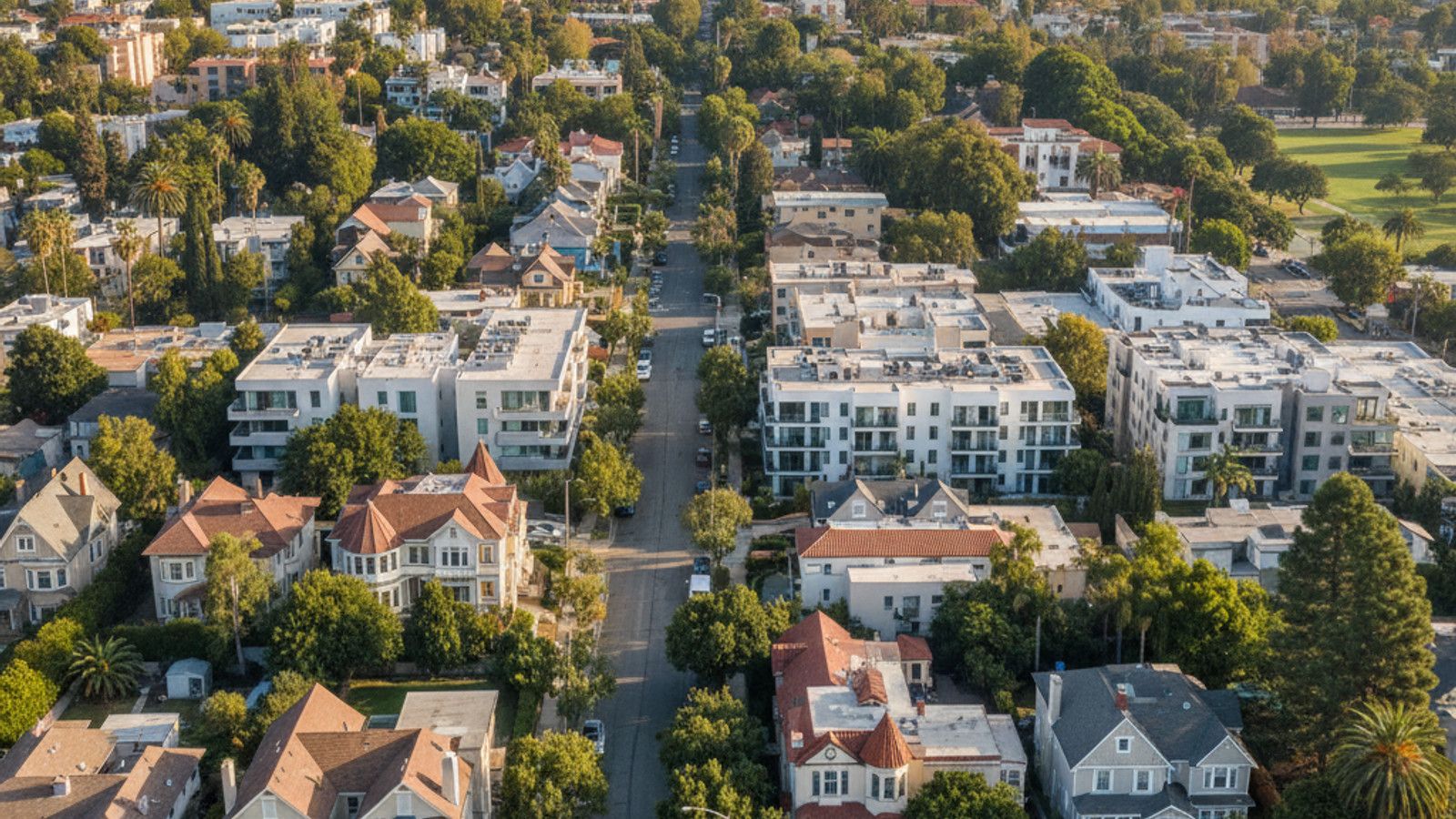
Available properties include a diverse mix of newly constructed condominiums, mid-century apartments, and fully renovated single-family homes. Buyers frequently encounter modern multi-family developments situated alongside older, established residential lots. Buyers must realize that the high price-per-square-foot limits negotiating power on turnkey homes, making early and strong offers essential.
Inventory levels fluctuate seasonally, but the area generally maintains a steady volume of active listings compared to adjacent neighborhoods. Properties requiring significant renovation offer slightly lower entry prices, though buyers must account for current construction costs. Working with a local real estate professional helps buyers navigate these pricing nuances and identify properties with strong long-term value.
Historic Architecture and Craftsman Homes
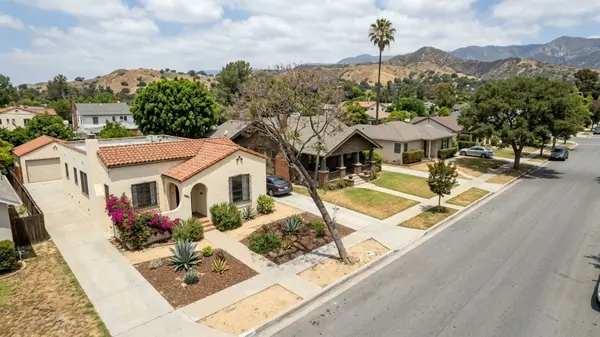
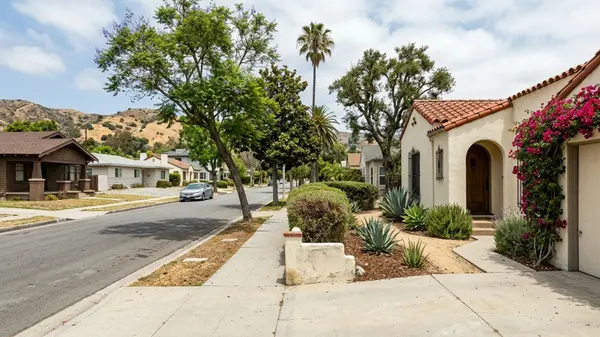
The neighborhood is widely recognized for its distinct architectural styles, heavily featuring classic American Craftsman and California bungalow homes. The Angelino Heights district and Carroll Avenue serve as premier locations for historic Victorian properties. These well-preserved homes showcase intricate detailing and represent a significant portion of the area's high-end real estate market.
Purchasing older properties requires careful consideration of structural updates, foundation conditions, and modern building codes. Fully renovated historic Victorian or Craftsman properties frequently sell between $1,500,000 and $3,000,000 depending on lot size and restoration quality. Buyers evaluating these homes should prioritize thorough inspections to accurately project future maintenance costs.
The Los Angeles Historic Preservation Overlay Zone plays a critical role in maintaining property character across specific neighborhood tracts. This municipal designation dictates strict renovation rules, impacting everything from exterior paint choices to window replacements. Buyers purchasing within these zones must navigate a formal review process before making significant alterations to their property exteriors.
Average Rent Costs in Echo Park
The 2026 rental market in the area offers options ranging from compact studios to expansive converted properties. The current average rent ranges from $1,900 to $2,700 per month, depending heavily on unit size and included amenities. Standard one-bedroom apartments typically lease between $2,100 and $2,400 per month in standard multi-family buildings.
Renters will find a varied inventory that includes older mid-century buildings and contemporary multi-family developments. Studios command the lower end of the pricing spectrum, while multi-bedroom units in newer complexes push toward the upper limits. Properties offering dedicated parking spaces or in-unit laundry facilities consistently lease at a premium.
Lease terms generally follow standard one-year agreements, though some newer developments offer flexible terms for an increased monthly rate. The rental market remains active year-round, with the highest turnover typically occurring during the summer months. Prospective tenants should prepare complete application packages in advance to secure desirable units in this competitive leasing environment.
Location, Transportation, and Downtown LA Commutes
The neighborhood occupies a central geographic position within Los Angeles, bordered by Silver Lake, Historic Filipinotown, and Chinatown. This strategic location provides residents with immediate access to major transportation arteries, including the U.S. Route 101 and CA-110 freeways. These primary transit corridors facilitate movement throughout the greater Los Angeles basin and surrounding municipalities.
The internal layout of the area is anchored by major commercial corridors, most notably Glendale Boulevard and Sunset Boulevard. These thoroughfares serve as the primary routes for both local traffic and regional commuters passing through the district. Proximity to major transit routes sustains property values, as buyers consistently pay a premium for immediate freeway access.
Navigating the local street grid requires an understanding of the area's varied topography, which includes steep hills and winding residential roads. Properties located higher in the hills often feature narrower street access but provide expansive views of the city skyline. The contrast between busy commercial avenues and quieter hillside streets defines the local real estate geography.
Public Transportation and Commute Times
For residents commuting to major employment hubs, the driving distance to Downtown LA is approximately 3 miles. A typical driving commute to the downtown sector averages 10 to 15 minutes during standard traffic conditions. Commutes to nearby Hollywood follow surface streets and generally require a similar timeframe depending on the time of day.
The Los Angeles Metro operates several bus routes serving the area, providing public transit alternatives to personal vehicles. Specific routes like Line 92 and Line 4 offer direct connections to major transit hubs and commercial centers. Metro bus commutes to Downtown LA take approximately 15 to 20 minutes from most local stops.
Non-vehicle transit options continue to expand, with dedicated bike lanes leading directly toward the city center. Bicycle commutes to Downtown LA average 35 to 40 minutes, offering a viable alternative for residents working in the urban core. The integration of these varied transportation methods supports a diverse commuter base within the neighborhood.
Parks, Amenities, and Recreational Facilities
Access to outdoor spaces and public recreational facilities remains a significant draw for homebuyers evaluating the area. The neighborhood features a variety of public parks, offering residents immediate access to green space within a dense urban environment. These municipal facilities provide essential infrastructure for outdoor recreation and community events throughout the year.
Echo Park Lake serves as a central focal point, featuring paved pathways that encircle the water. The facility is known for its signature pedal boats and hosts the annual Lotus Festival, drawing visitors from across the region. Neighborhood walkability to these diverse amenities acts as a major catalyst for buyer demand, often overriding concerns about smaller lot sizes.
The proximity of Dodger Stadium significantly impacts the local environment, bringing substantial economic activity during the baseball season. Local nightlife and entertainment options are concentrated along Sunset Boulevard, featuring established live music venues like the Echoplex. The combination of major sports venues and local dining establishments creates a highly active commercial sector.
Exploring Elysian Park
Elysian Park stands as one of Los Angeles' oldest and largest public parks, encompassing hundreds of acres of varied terrain. The facility features an extensive trail network that accommodates hikers and runners seeking unpaved routes within the city. This massive public space borders the eastern edge of the neighborhood, providing a natural buffer against the surrounding urban density.
The park includes numerous designated picnic areas and scenic viewpoints that overlook the Los Angeles skyline and the San Gabriel Mountains. Immediate proximity provides nearby homeowners with high accessibility to public green space, enhancing the appeal of adjacent residential streets. Properties located directly along the park's perimeter frequently command higher market valuations due to these unobstructed access points.
Municipal maintenance programs ensure the trails and facilities remain accessible year-round for local residents. The park's varied topography includes steep inclines and shaded canyons, offering diverse environments for outdoor activities. Access points are distributed along the major boundary roads, allowing residents from different neighborhood sectors to utilize the space easily.
Los Angeles Unified School District Campuses
The Los Angeles Unified School District operates as the primary public school provider for the neighborhood and surrounding areas. Buyers evaluating local real estate often factor these municipal educational boundaries into their property search criteria. The district manages several distinct campuses located within or immediately adjacent to the local residential zones.
Specific LAUSD institutions serving the area include Clifford Street Elementary, Elysian Heights Elementary Arts Magnet, and Logan Academy of Global Ecology. The presence of local magnet and charter school alternatives provides additional educational pathways for district residents. The concentration of local magnet schools offers valuable educational choices, making the immediate area highly desirable for buyers prioritizing academic options.
School enrollment zones can divide specific streets, meaning two adjacent properties might fall into different attendance boundaries. Buyers must verify specific enrollment boundaries directly with the district before purchasing a home to ensure accurate zoning information. Real estate listings may occasionally misrepresent these boundaries, making independent verification a crucial step in the due diligence process.
Frequently Asked Questions About Echo Park
What is the median home price in Echo Park?
The median home price in Echo Park ranges from approximately $1,100,000 to $1,370,000 in 2026. Buyers can expect average price-per-square-foot values to sit between $800 and $890. These figures vary based on the property's proximity to Echo Park Lake or historic overlay zones.
How far is Echo Park from Downtown Los Angeles?
Echo Park is located approximately 3 miles northwest of Downtown Los Angeles. A typical driving commute takes 10 to 15 minutes via the U.S. Route 101 freeway. Bicycle commuters can expect a 35 to 40-minute ride to the city center using dedicated bike lanes.
What school district serves the Echo Park neighborhood?
The neighborhood is served by the Los Angeles Unified School District. Local boundaries include specific campuses like the Logan Academy of Global Ecology and Clifford Street Elementary. Buyers should always verify exact enrollment zones with the district, as boundaries can divide specific streets.
Categories
Recent Posts