What to Expect From Weather Patterns in Los Angeles, CA
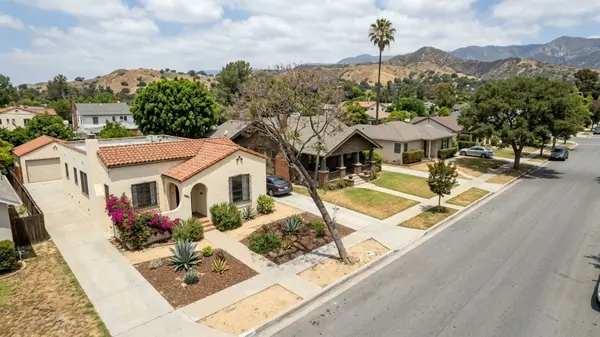
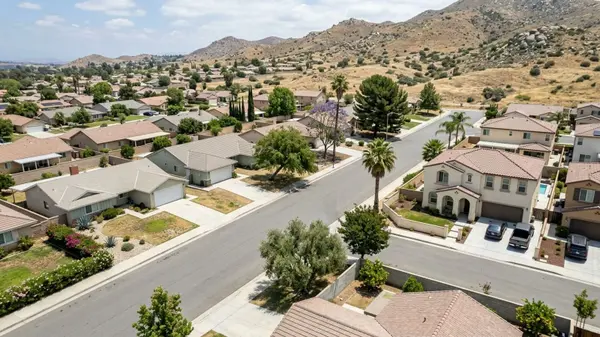
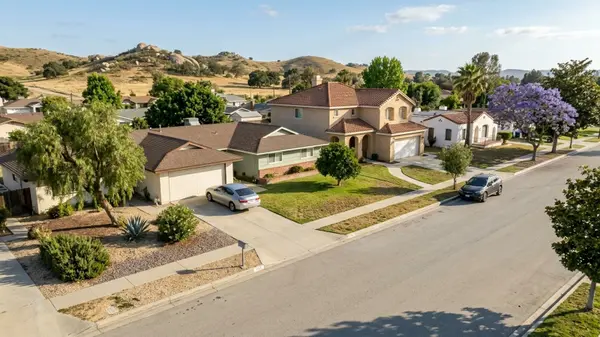
The Los Angeles basin sits at a relatively low elevation of about 256 to 285 feet, framed by the Pacific Ocean to the west and the Santa Monica Mountains to the north and east. That geography creates an environment where weather patterns shift dramatically depending on how close a house is to the water. A short drive from the beach to the inland valleys can mean passing through multiple distinct microclimates - not metaphorically, but literally. These neighborhood temperature gaps directly shape the pros and cons of living in Los Angeles.
If you're one of the buyers looking at the roughly 8,378 homes currently on the market here, that detail matters more than most people realize. A neighborhood's typical afternoon temperature, morning cloud cover, and seasonal wind exposure all shape daily life and utility costs. Your preferred climate zone helps narrow the search before you've wasted a dozen weekends touring the wrong neighborhoods.
Los Angeles, CA Weather at a Glance
The city runs on a Mediterranean and semi-arid climate, caught between the ocean to the west and the mountains to the north and east. The Pacific marine layer pushes cooler, moist air inland, while the terrestrial layer from the desert shoves warmer air back toward the coast. Those two forces don't compromise - they just create different weather zones depending on where you're standing.
Coastal neighborhoods stay cooler and more temperate year-round. Move inland past the coastal basin, and the marine influence fades fast. Summers get hotter, winters get colder, and the daily temperature swings get wider.
What Type of Climate Does Los Angeles Have?
The region splits into a few specific climate classifications. Coastal areas fall under a cold semi-arid or warm-summer Mediterranean climate, which keeps the immediate shoreline mild even during peak summer months.
Inland areas - the San Fernando and San Gabriel Valleys, specifically - fall under hot semi-arid or hot-summer Mediterranean classifications. Those neighborhoods see far more pronounced heat waves and wider swings between the day's high and overnight low.
The Local Microclimates
Daytime temperatures can vary by as much as 36 degrees Fahrenheit between the coastal Los Angeles Basin and the inland valleys. You can leave a foggy, 65-degree morning in Santa Monica and arrive in a 95-degree afternoon in the San Fernando Valley. Same day, same drive, completely different experience.
That gap has real consequences for buyers. A home's cooling needs and outdoor usability look very different depending on which side of the hills it sits on.
Season by Season Weather in Los Angeles
Los Angeles doesn't do the traditional four-season routine. The year divides more loosely into a long, dry warm season and a shorter, cooler wet season - with a couple of transition periods that have their own distinct personalities.
Summers and the Marine Layer
Summer often starts with what locals call "May Gray" or "June Gloom." A temperature inversion traps cool, moist ocean air under warmer air above, producing persistent overcast mornings along the coast and into the LA Basin. It burns off by the afternoon, usually. During La Niña years, the marine layer can push even farther into the surrounding valleys, holding off the intense heat until July and August.
Winters and the Rainy Season
Winter brings the bulk of the area's annual precipitation, concentrated between December and March. Storms roll in occasionally off the Pacific, but the days between them stay mild and comfortable. Residents crack windows, turn off the air conditioning, and generally enjoy the break from late summer heat.
Average Temperatures by Month in Los Angeles
Based on climate normals from the downtown Dodger Stadium station, average high temperatures range from the upper 60s in winter to the low 80s in summer. Average lows run from about 48 degrees in winter to 66 degrees at the peak of summer.
Those downtown figures are a reasonable baseline, but your actual experience depends on the neighborhood. Expect cooler highs near the ocean and hotter highs in the valleys.
The Hottest and Coldest Months
August is the hottest month, with average highs reaching between 79 and 84 degrees depending on the recording station. That heat often extends well into September, so don't assume the air conditioning bill drops when school starts.
December and January tie for the coolest months, with average lows dipping to around 48 or 49 degrees. Daytime highs during those months still hover around a comfortable 67 degrees - which is why people move here.
Month-by-Month Averages
Spring brings highs in the low 70s with overnight lows in the mid-50s. By mid-summer, July and August push daytime averages to 80 degrees or higher, with warm nights holding in the mid-60s. Autumn eases back gradually, returning to the mid-70s by November. Winter settles into a pattern of 60-degree days and 50-degree nights - a light jacket handles most of it.
Rain, Snow, and Humidity in Los Angeles, CA
The region is dry for most of the year, relying on a few concentrated winter months to replenish local water supplies. Downtown averages about 14.25 to 14.3 inches of rainfall annually. That's not much, and most of it arrives in a relatively short window.
The semi-arid pattern means homeowners spend very little time worrying about rain damage. That said, heavy winter storms can cause localized flooding or mudslides in hillside neighborhoods - something worth keeping in mind if you're drawn to the canyon properties.
Does It Snow in Los Angeles?
No. Snowfall in the Los Angeles basin and downtown area is essentially zero. Coastal and central neighborhoods don't see freezing precipitation, which means snow shovels and winter tires are genuinely unnecessary.
Snow is rare even in the outlying high-elevation parts of Los Angeles County. Communities like Palmdale and Lancaster sit at about 2,500 feet in the high desert and only occasionally see light dustings.
Annual Rainfall and Humidity Levels
Average relative humidity runs in the high-50s to mid-60s percent range year-round, with the annual average sitting around 64 percent. That's comfortable compared to tropical climates - the air doesn't feel heavy.
Humidity peaks in late spring, reaching about 68 percent in May when the marine layer is most active. It drops to its lowest point around 59 percent in January and February.
Severe Weather and Natural Hazards
Los Angeles avoids hurricanes and blizzards. Tornadoes do occur but are rare and typically weak, maxing out at EF0 or EF1 ratings when they do happen. The weather hazards that matter here are fire and wind - and buyers coming from out of state should understand both before they start writing offers.
Wildfires and Santa Ana Winds
The Santa Ana winds are the primary driver of wildfire risk. These hot, dry winds blow from the desert toward the coast, typically occurring a few days a year in September or October. They dry out local vegetation fast, and once a fire ignites during a Santa Ana event, it can spread with almost no warning.
Homeowners in canyon or hillside neighborhoods should maintain defensible space around their properties and verify their fire insurance options before closing - not after.
Extreme Heat
Late summer and early fall bring heat waves that push temperatures well above the monthly averages. The inland valleys bear the brunt of these events, often seeing multiple consecutive days over 100 degrees. Buyers looking at homes in the San Fernando or San Gabriel Valleys should prioritize properties with modern, efficient HVAC systems. Upgraded insulation and dual-pane windows make a real difference when you're trying to keep a house livable at those temperatures.
Weather and the Los Angeles Real Estate Market
The median sale price currently sits around $1,055,300. Homes spend roughly 52 days on the market, and buyers have about 5.1 months of inventory to work with. With homes selling at about 99.5 percent of their list price, there's not a lot of room to hesitate when you find something that works.
Factoring climate preferences into your search criteria from the start helps you move with confidence instead of second-guessing location after you've already fallen for a floor plan.
Searching for Homes Across Microclimates
If you prefer cooler weather and don't mind morning fog, focus on coastal communities. You'll pay a premium for the ocean proximity, but you'll save on summer cooling costs - and for many buyers, that trade makes complete sense.
If you want warmer, sunnier mornings and don't mind intense summer heat, the inland valleys offer different housing styles and neighborhood layouts. It's not a better or worse choice; the temperature differences alone tend to make the decision for most buyers.
Moving Logistics and Storage
Because the weather stays mild year-round, there's no true off-season for moving. That doesn't mean timing is irrelevant - moving during a September heat wave or a January rainstorm takes extra planning either way.
If you need to store belongings during your transition, consider climate-controlled storage in Los Angeles, CA. The coastal basin rarely reaches extreme temperatures, but inland storage facilities can get hot enough in August to damage sensitive items.
Frequently Asked Questions
What is the weather like in Los Angeles, CA year round?
Buyers can expect dry, 80-degree afternoons from July through September, while December brings the bulk of the annual 14-inch rainfall. Since the Pacific marine layer creates distinct microclimates, house hunters should prioritize coastal listings if they prefer mild, 70-degree summers.
Does it snow in Los Angeles, CA, and how much?
Winter precipitation stays strictly rain for the vast majority of the region. Homeowners moving from colder states can confidently leave their snow shovels behind, as freezing temperatures only occasionally reach high-desert communities at 2,500-foot elevations.
Is it humid in Los Angeles, CA?
The local air feels remarkably dry compared to tropical or East Coast markets, keeping summer heat manageable. Even when moisture peaks in late spring at 68 percent, the marine layer usually burns off by midday to leave crisp, comfortable afternoons.
Are there tornadoes or severe weather in Los Angeles, CA?
Property damage from traditional storms is highly unlikely, but the region does experience intense fall wildfire seasons driven by Santa Ana winds. House hunters looking at canyon properties should verify fire insurance costs early in the escrow process.
How much does the weather vary between the coastal and inland valley neighborhoods of Los Angeles, CA?
A short drive east from the beach can mean passing from a 65-degree overcast morning into a 95-degree afternoon. Buyers who struggle with intense heat should focus their search on coastal communities to benefit from the ocean's natural cooling effect.
When is the best time of year to move to Los Angeles, CA to avoid extreme heat or rain?
Schedule your relocation for April, May, or November for optimal heavy-lifting weather. If you must close on a home during the peak heat of August or September, hire professionals who start early in the morning to beat the triple-digit afternoon spikes.
How do Los Angeles, CA weather patterns affect seasonal home utility and cooling costs?
Valley residents typically see their highest electricity bills from July through October as HVAC systems run constantly to fight 100-degree heat waves. Meanwhile, ocean-adjacent homeowners often rely entirely on open windows and ceiling fans, saving hundreds of dollars annually.
How do local microclimates affect buyers looking at retirement communities in Los Angeles, CA?
Buyers sensitive to triple-digit heat should prioritize coastal developments, where the marine layer provides natural cooling. Conversely, house hunters who want early morning sunshine might prefer inland retirement communities in Los Angeles where the marine fog burns off much faster.
Does the weather restrict outdoor activities and events in Los Angeles, CA?
The region's dry climate allows for hiking, surfing, and patio dining through the vast majority of the year. While occasional winter downpours might temporarily force plans indoors, you will rarely need to cancel things to do in Los Angeles due to severe cold or ice.
Categories
Recent Posts