Moving to Fullerton: The 2026 Fullerton Orange County CA Area Guide
Buyers looking to live in Fullerton often seek a balance of established infrastructure and accessibility to major employment centers. Located in northern Orange County, this city offers a complex real estate landscape that requires careful navigation in 2026. The local market presents a mix of historic charm and modern convenience that appeals to a wide range of property seekers.
Understanding the nuances of this region means looking beyond basic property listings to evaluate commute routes and public amenities. Data from the United States Census Bureau tracking average individual income and employment statistics highlights the financial health of the area. Whether you are relocating for work or seeking a change of scenery, knowing these specific market details is essential.
The city shares a long border with Anaheim, creating a seamless transition between two of the region's most prominent economic zones. This proximity allows residents to benefit from massive entertainment and retail sectors just minutes from their front doors. Evaluating the area requires a close look at how these neighboring municipalities influence local property values and daily traffic patterns.
Welcome to Fullerton: A North Orange County Overview
Fullerton occupies a strategic position in the northern section of Orange County. The city shares borders with Anaheim and other key municipalities, creating a continuous network of commercial and residential zones. This geographic placement provides residents with immediate access to a broad spectrum of retail and employment opportunities.
Transportation logistics heavily influence property values throughout this north Orange County sector. Drivers benefit from direct access points to the 57 and 91 freeways, which serve as primary arteries connecting local neighborhoods to major economic centers in Los Angeles.
From a real estate perspective, this immediate freeway access is a massive advantage for buyers prioritizing a streamlined commute. Properties located within a short drive of the 57 or 91 on-ramps consistently command stronger resale values. Buyers should weigh the convenience of these transit corridors against the typical noise and traffic volume associated with major highways.
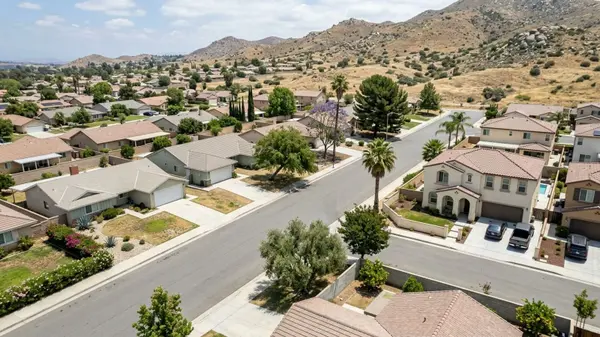
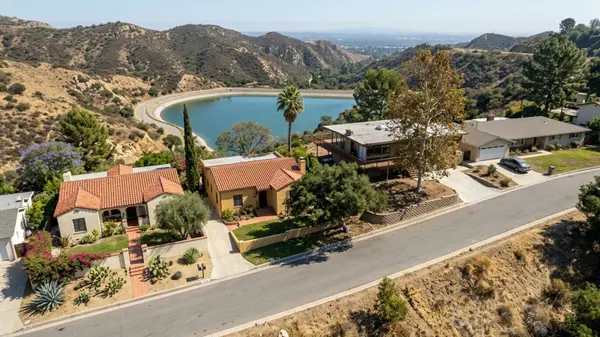
The local topography also plays a role in how neighborhoods are laid out relative to these transit routes. Homes situated in the slightly elevated, hilly portions of the city often enjoy quieter surroundings while remaining just a few miles from the freeway. Navigating this balance between accessibility and residential seclusion is a primary focus for most house hunters in the area.
Fullerton Housing Market and Property Types
The local real estate market remains highly active as we navigate the spring 2026 buying season. Inventory levels dictate a fast-paced environment where well-priced homes receive multiple offers within days of listing. Buyers entering this market need strong pre-approval terms to compete effectively against other motivated purchasers.
Current data shows the median home price in the city sits between approximately $1,100,000 and $1,125,000. When evaluating homes, buyers will find the average price per square foot hovering around $600 to $625. These figures mean that standard purchasing power requires a substantial down payment to keep monthly mortgage obligations manageable.
Sellers currently hold the upper hand, but they must still price their properties accurately based on current neighborhood comps. Buyers should focus on the price per square foot to identify homes that offer the best long-term value.
Navigating the current interest rate environment also requires strategic planning from prospective buyers. Securing a competitive mortgage rate can drastically alter the monthly carrying costs of a million-dollar property. Working closely with a local lender ensures that buyers are fully prepared to submit aggressive, non-contingent offers when the right home appears on the MLS.
Navigating the 2026 Real Estate Inventory
Finding the right property in 2026 requires patience and a clear understanding of local inventory cycles. New listings typically peak during the spring and early summer months, providing the widest selection of available homes. Buyers searching during the off-season will face fewer options but may encounter sellers who are more willing to negotiate.
Working with a knowledgeable local agent is crucial for uncovering off-market opportunities and upcoming listings. The most desirable properties often go into escrow within days of hitting the market. Staying informed about neighborhood-specific trends allows buyers to act decisively when a suitable home becomes available.
Exploring Local Property Styles
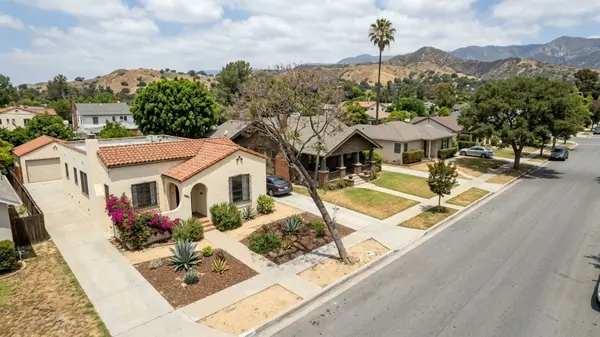
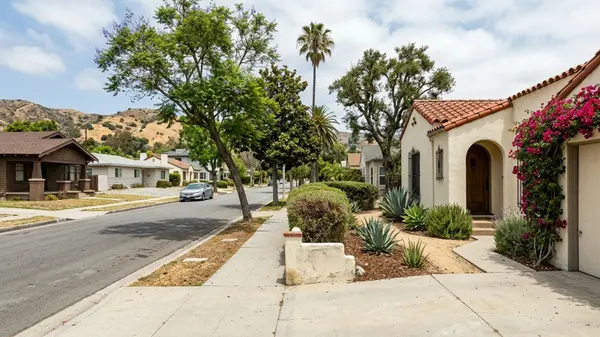
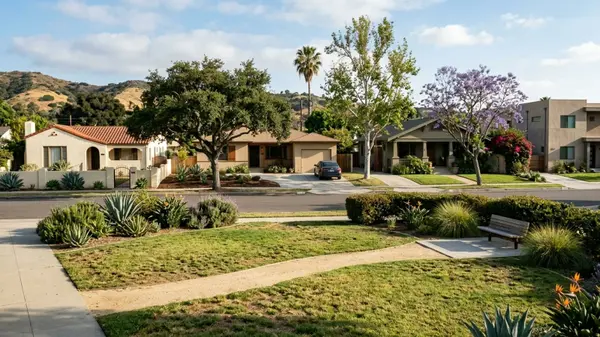
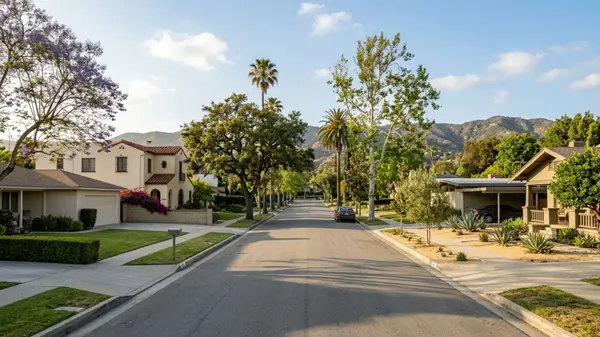
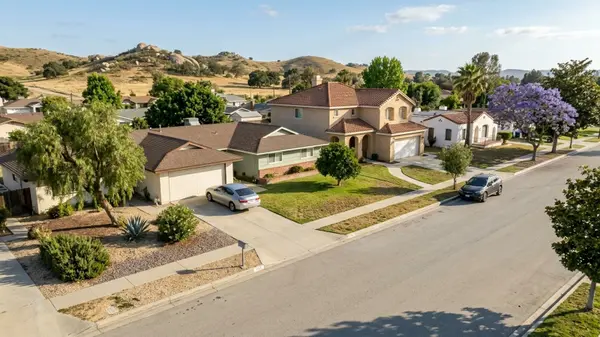
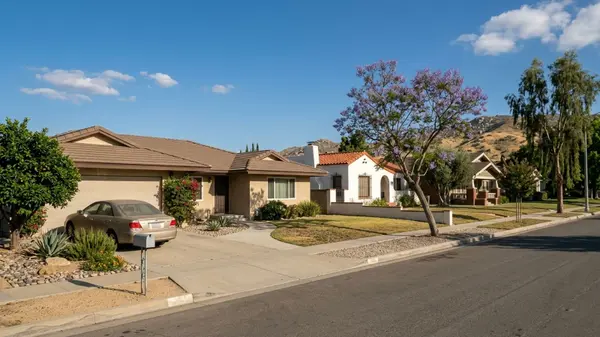
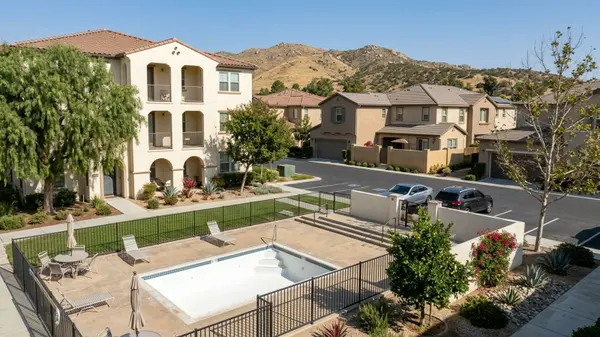
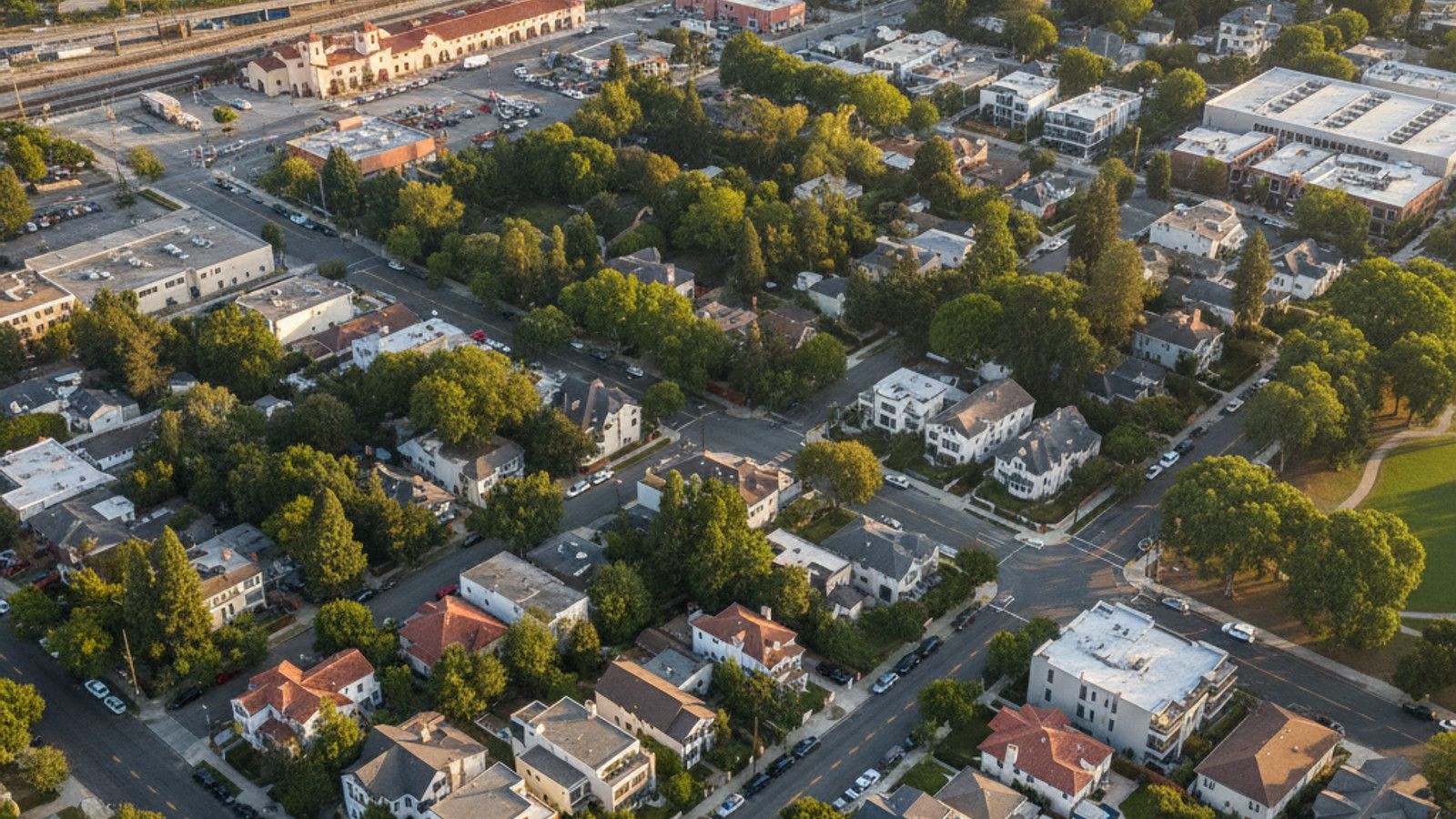
The architectural landscape across the city features a notable variety of housing styles. Historic properties near the city center offer distinct character, large established trees, and unique craftsmanship. In contrast, newer developments on the suburban edges provide modern condominiums and tract homes with updated energy-efficient systems.
Different property types naturally come with varying financial and maintenance considerations. Single-family detached homes typically offer larger lot sizes but place the full burden of upkeep on the homeowner, whereas condominiums include monthly HOA fees.
Lot sizes vary significantly depending on the age and location of the development. Older neighborhoods frequently feature sprawling backyards that offer ample space for landscaping or outdoor entertaining. Buyers prioritizing land value will typically focus their search on these established, mid-century residential tracts.
Commute Times and Public Infrastructure
Beyond the freeway system, the city provides robust public infrastructure to support daily travel needs. The centerpiece of this transit network is the Fullerton Transportation Center, located centrally to serve a high volume of daily riders. This hub connects multiple transit lines and serves as a vital alternative to driving.
The station provides direct access to both Metrolink and Amtrak train services. A typical rail commute from this station to Los Angeles takes approximately 36 to 40 minutes, allowing workers to bypass the unpredictable congestion of the freeway entirely.
Having a major train station within city limits fundamentally changes the commute calculus for local residents. The ability to reclaim an hour or more of daily travel time makes homes near the transit center highly valuable. Buyers who commute to Los Angeles should strongly consider properties within a short distance of this rail hub.
The transportation center also features dedicated parking structures to accommodate commuters who drive to the station. Local bus routes converge at this location, creating a comprehensive network that covers the entire north Orange County area. This multi-modal transit approach significantly reduces the area's overall reliance on personal vehicles.
Parks, Recreation, and Downtown Amenities
The lifestyle amenities in this area provide residents with numerous options for shopping, dining, and outdoor recreation. The city maintains a wide network of local parks and community centers that support an active daily routine. These public facilities are distributed evenly, ensuring most neighborhoods have quick access to green space.
The local commercial sectors offer a dense concentration of retail and entertainment venues. This commercial density is effectively balanced by the preservation of extensive outdoor recreational areas, driving sustained property values.
Community centers scattered throughout the city offer organized programs and public meeting spaces. These facilities maintain well-kept sports fields, public pools, and indoor gymnasiums available for resident use. The ongoing municipal investment in these public resources demonstrates a strong commitment to maintaining a high quality of life.
Green Spaces and Recreation Facilities
The Fullerton Arboretum stands out as a premier outdoor destination, featuring 26 acres of botanical gardens and shaded walking paths. This expansive facility provides a quiet retreat from the surrounding urban environment. Visitors can explore diverse plant collections and historical heritage sites within the grounds.
Craig Regional Park offers another massive recreational footprint with rolling hills, a large lake, and numerous sports courts spanning over 100 acres. These significant green spaces add measurable value to the residential tracts located along their borders.
The park system also supports extensive trail networks favored by hikers and mountain bikers. These unpaved paths wind through the natural terrain, offering panoramic views of the surrounding Orange County CA landscape. Access to these trails is a major selling point for buyers who prioritize outdoor fitness and recreation.
Downtown Fullerton Commerce and Dining
The historic downtown area serves as the primary cultural and commercial hub for the city. This district features a dense collection of independent restaurants, boutique retail shops, and entertainment venues. The walkable layout encourages residents to park once and explore multiple businesses on foot.
Many of these modern businesses operate out of preserved historic architecture, giving the downtown area a distinct visual identity. Brick facades and classic storefronts house contemporary cafes and professional offices. This blend of historic preservation and modern commerce creates a unique atmosphere that draws visitors from across north Orange County.
The downtown sector sits immediately adjacent to the primary transit hub, creating a highly functional urban core. Commuters stepping off the train are instantly greeted by dining and retail options. This strategic zoning encourages local spending and keeps the central business district economically vibrant.
The Education Landscape in Fullerton
The educational infrastructure is a major component of the local community and a significant factor in real estate decisions. The city is served by several dedicated public school districts that manage campuses across different neighborhoods. Factual statistics regarding school performance and specialized academic programs are readily available through state databases and district websites.
The primary public education networks include the Fullerton School District and the Fullerton Joint Union High School District. Buyers frequently consult district boundary maps before finalizing their property search parameters.
Proximity to highly rated educational institutions consistently creates concentrated pockets of real estate demand. Homes located within the boundaries of sought-after campuses tend to hold their value exceptionally well during market fluctuations. Buyers should expect to pay a premium for properties situated near the city's most prominent educational facilities.
Resale velocity is noticeably faster for listings situated directly adjacent to top-performing schools. Even buyers without an immediate need for local classrooms recognize the long-term equity benefits of these locations. Investing in these specific boundary zones remains one of the most reliable strategies in the local market.
Higher Education Institutions
The city is also a major hub for higher education, hosting tens of thousands of college students and faculty members. California State University, Fullerton operates a massive campus that significantly impacts the local economy and rental market. The presence of this university drives consistent demand for investment properties and multi-unit housing in the surrounding blocks.
Alongside the university, Fullerton College provides a comprehensive community college experience near the downtown sector. This institution offers vocational training and transfer programs that serve the broader Orange County population. The combined presence of these colleges ensures a steady stream of employment opportunities and academic resources.
The high concentration of students naturally creates a robust market for short-term rentals and apartment leases. Investors frequently target properties near the campuses to capitalize on this reliable tenant pool. This dynamic adds a layer of complexity to the housing market, as traditional buyers often compete directly with real estate investors for available homes.
Frequently Asked Questions About Moving to Fullerton
What are the housing market trends and median home prices in Fullerton, CA?
In spring 2026, the local real estate market remains highly competitive with low inventory driving demand. The median home price ranges from approximately $1,100,000 to $1,125,000, with an average price per square foot of $600 to $625. Buyers should be prepared for fast-paced transactions and multiple-offer scenarios.
How long is the commute from the Fullerton Transportation Center to Los Angeles?
Taking the Metrolink or Amtrak from the Fullerton Transportation Center to Los Angeles typically takes 36 to 40 minutes. This rail option provides a highly reliable alternative to driving on the congested 5 freeway. Commuters benefit from direct routes that operate frequently during peak morning and evening hours.
What public school districts serve the Fullerton area?
The primary public education systems in the city are the Fullerton School District and the Fullerton Joint Union High School District. These districts manage a wide network of campuses serving students from elementary through high school. Buyers often verify specific boundary lines, as school assignments can vary significantly from one neighborhood to the next.
Categories
Recent Posts