Navigating the Market: A 2026 Koreatown Los Angeles, CA Area Guide
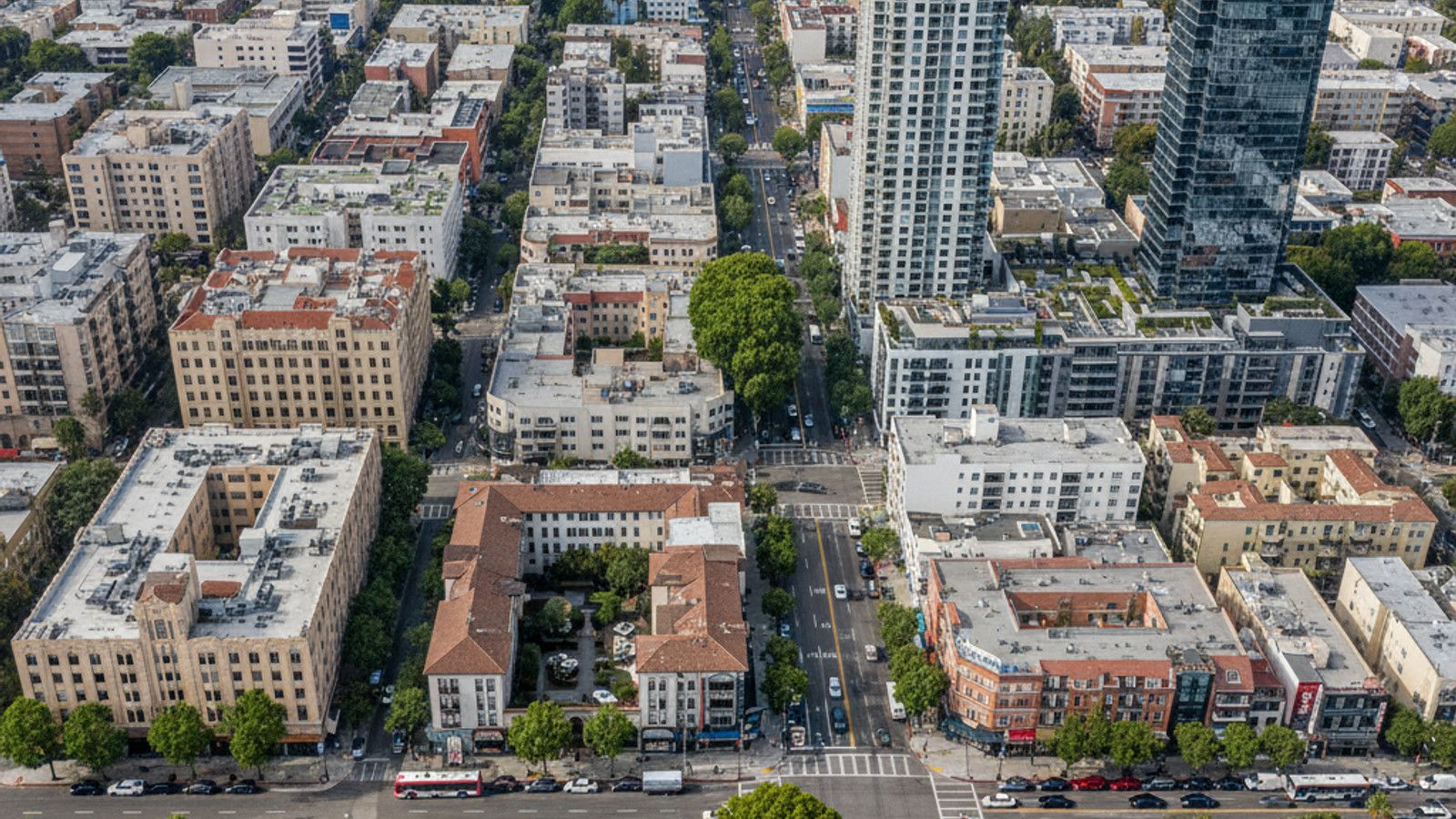
Situated right in the middle of the city's urban core, Koreatown offers a vibrant mix of historic architecture and dense commercial development. Buyers and renters looking at the Los Angeles market often find this neighborhood compelling due to its central location and robust transit options.
Understanding the local real estate landscape in 2026 requires looking beyond the famous late-night dining scene. This guide breaks down current property values, transit updates, and everyday amenities to help you evaluate if this bustling district aligns with your housing goals.
Welcome to Koreatown: A Central Los Angeles Hub
Bounded broadly between Downtown Los Angeles and Mid-City, Koreatown sits approximately three to four miles west of the main downtown commercial district. This prime location makes it a highly practical base for those commuting across the central city. The neighborhood features a dense, walkable urban layout that stands out in a region typically known for car dependency.
The architectural landscape here is incredibly diverse, reflecting decades of Los Angeles history. You will find everything from preserved 1920s Art Deco structures to mid-century apartment blocks and brand-new high-rise condominiums. This variety provides numerous housing styles for prospective buyers, though high-density multi-family buildings dominate the inventory.
Beyond the buildings, the area is defined by its continuous 24-hour atmosphere filled with retail shops, cafes, and restaurants. The sheer volume of commercial activity means residents rarely have to leave the neighborhood for daily necessities or entertainment. For buyers seeking a quiet, suburban environment, Koreatown will feel overwhelming, but for those wanting true city living, it is unmatched in CA.
Koreatown Real Estate Market Overview
The housing inventory in Koreatown consists almost entirely of condominiums and multi-family apartment buildings, with single-family homes being exceptionally rare. Buyers entering the market in early 2026 will find median home prices hovering between $720,000 and $775,000. These price points generally buy a modern or recently renovated condo with secure access and shared amenities.
If you are looking to lease, average monthly rental rates are currently sitting around $2,200. Studio apartments typically range from $1,700 to $2,000 per month, while one-bedroom units command between $2,000 and $2,300 depending on the building's age and location. The rental market moves quickly here, so having your application materials ready is essential for securing a unit.
Condominium buyers must also factor in monthly Homeowners Association dues when calculating their total housing costs. Typical HOA fees in the area range from $350 to well over $500 per month. These fees usually cover exterior maintenance, trash collection, water, and building amenities like fitness centers or rooftop decks.
Public Transit and Commuting from K-Town
Koreatown consistently ranks as one of the most transit-friendly neighborhoods in Los Angeles. The area is anchored by the Metro D Line, previously known as the Purple Line, which runs directly beneath Wilshire Boulevard. Residents can access this subway via three major stations: Wilshire/Western, Wilshire/Normandie, and Wilshire/Vermont.
Commuting from these stations is highly efficient compared to driving through central city traffic. A subway trip to Downtown Los Angeles takes roughly 10 to 15 minutes, while reaching Hollywood takes about 15 to 20 minutes via a quick transfer to the B Line. This reliability makes the neighborhood a strategic choice for those working in major employment centers.
Transit connectivity is expanding significantly this year, adding serious value to local real estate. Section 1 of the long-awaited D Line Extension is officially opening on May 8, 2026. This expansion connects Koreatown further west to La Cienega Boulevard, dramatically cutting commute times to the Westside.
Local Amenities, Dining, and Nightlife
The commercial landscape in Koreatown is legendary, offering an unmatched density of dining and entertainment options. The neighborhood is famously known for its 24-hour nature, with many establishments operating late into the night or around the clock. This constant activity provides a level of convenience that is hard to find elsewhere in the city.
Major grocery shopping is handled by massive retail centers like Koreatown Plaza and Galleria Market, which offer extensive international goods and everyday staples. For entertainment, the iconic Pellissier Building and Wiltern Theatre serve as a cultural landmark, hosting major concerts and events year-round. These anchor institutions are surrounded by countless smaller shops and businesses.
Dining and nightlife are the primary draws for both locals and visitors. The area features world-class Korean BBQ spots, multi-story food courts, and an endless array of specialty coffeehouses. After dinner, the robust nightlife scene takes over, driven by multi-level karaoke bars and late-night lounges that keep the neighborhood active until dawn.
Parks, Recreation, and Local Schools
While known for its dense commercial and residential zoning, Koreatown does maintain essential community infrastructure. Residents have access to specific green spaces like Seoul International Park and the Shatto Recreation Center. These parks offer a break from the concrete, featuring outdoor sports courts, playgrounds, and shaded seating areas.
The recreational facilities at these locations regularly host community programs, indoor gym activities, and seasonal events. Because open green space is relatively scarce in the immediate district, these parks are heavily utilized by the local population. Buyers prioritizing expansive private yards will need to look outside this urban core.
Education in the neighborhood falls within the boundaries of the Los Angeles Unified School District. The area contains a variety of public and charter school options serving different grade levels within the local zip code. Prospective buyers should review the specific LAUSD boundary maps, as school assignments can vary significantly from one block to the next.
Frequently Asked Questions About Living in Koreatown
How Much Does it Cost to Live in Koreatown?
The cost of living in Koreatown is largely driven by housing, with median home prices ranging from $720,000 to $775,000 in 2026. Rental costs are near or slightly below the broader Los Angeles average, typically landing around $2,200 per month. Everyday expenses like groceries and dining offer a wide range of price points, from budget-friendly food courts to premium restaurants.
Can you walk around Koreatown in L.A.?
Yes, Koreatown features a highly dense, walkable urban layout that makes navigating on foot very practical. Most residents can easily walk to grocery stores, coffeehouses, and transit stations within 10 to 15 minutes. The continuous commercial activity and wide sidewalks along major corridors support heavy pedestrian traffic daily.
What is the main street of Koreatown in Los Angeles?
Wilshire Boulevard serves as the primary commercial and transit artery running directly through the center of Koreatown. This massive thoroughfare is lined with historic high-rises, corporate offices, and all three local Metro D Line stations. Western Avenue and Olympic Boulevard also serve as major commercial corridors packed with retail and dining.
Is street parking difficult in Koreatown?
Street parking is notoriously limited due to the neighborhood's high population density and abundance of multi-family buildings. Finding an open spot on residential streets often requires significant time and patience. Buyers and renters should always prioritize securing a deeded parking space or a dedicated garage spot with their unit.
Categories
Recent Posts