Is Los Angeles, CA Good for Families? A Balanced Overview

If you are planning to move to Los Angeles, you probably already know about the incredible weather. With approximately 284 days of sunshine every year, Southern California offers a climate that makes outdoor living possible year-round. It is easy to see the appeal when you picture weekend mornings at the beach or afternoons exploring world-class cultural institutions.
Beyond the sunshine, the region offers an impressive abundance of green space, direct ocean access, and top-tier museums. However, choosing to live in Los Angeles also means navigating some very real logistical hurdles. The infamous traffic sprawl, longer commute times, and a highly competitive housing market are daily realities for residents.
My goal here is to give you an objective look at the numbers and the neighborhoods. We will walk through the actual costs of living, how to evaluate school districts, and what you can expect when looking at specific areas across the county.
The Cost of Raising a Family in Los Angeles
Let's start with the financial realities of the local housing market. As of 2026, the median home price in Los Angeles County hovers right around $900,000, while monthly rental rates for a three-bedroom house often start between $3,500 and $4,500 depending on the zip code.
Beyond your mortgage or rent, you have to factor in the broader cost of living in California. State income taxes are among the highest in the nation, and everyday expenses like groceries and gas add up quickly. You can generally expect monthly utility bills to run between $200 and $350, while typical child care expenses often range from $1,500 to $2,500 per month per child.
Because of these costs, budgeting for a home here usually requires prioritizing certain amenities over others. You might choose to trade a larger backyard for a shorter commute, or opt for a smaller townhome to be closer to specific school zones.
The good news is that the county is massive, and there are strategies for finding relatively affordable pockets. Looking into first-time homebuyer programs in CA or expanding your search to adjacent valleys can open up more options that fit your budget.
Los Angeles School Districts Rating and Educational Options
From there, it is smart to look at how education works in the region. The Los Angeles Unified School District, commonly known as LAUSD, is the second-largest public school district in the United States.
Because LAUSD is so massive, school performance ratings vary widely depending on the specific neighborhood zone. To offer more specialized options, the district utilizes an extensive magnet and charter school system. These programs often focus on specific fields like science or the performing arts, but they typically require navigating a lottery and application process rather than simple neighborhood enrollment.
There is also a very high concentration of private school options across the city. Areas like Sherman Oaks, Studio City, and Pasadena are particularly well-known for their proximity to established independent academies.
When evaluating these educational zones, I always advise buyers to look closely at objective metrics. Reviewing state test scores, student-to-teacher ratios, and graduation rates will give you a much clearer picture of a school's academic standing than general neighborhood reputation.
Evaluating Public Safety and Community Resources
Another major factor in your housing search will be understanding community resources and local law enforcement data. Rather than relying on subjective opinions about an area, I highly recommend looking up objective local statistics.
You can easily access official LAPD crime mapping tools and local city data portals online. These resources allow you to search specific addresses and see exactly what types of incidents have been reported in the surrounding blocks over the past six months.
It is also incredibly helpful to look at the availability of public resources. High concentrations of public libraries, community recreation centers, and city-sponsored youth programs often indicate an active, engaged municipality.
Keep in mind that different municipalities within Los Angeles County handle public safety independently. For example, the City of Santa Monica operates its own dedicated police and fire departments, which is entirely separate from the City of Los Angeles services. Researching these objective service levels is the best way to evaluate an area.
Top Neighborhoods in Los Angeles Based on Amenities and Access
Choosing the right suburb or enclave really comes down to mapping out your daily routine. The ideal location depends heavily on your specific commute requirements and your housing budget.
Instead of looking at the city as one giant grid, it helps to focus on specific regions like the San Fernando Valley, the Westside, or the San Gabriel Valley. Each of these areas offers a different density of parks, schools, and community centers.
Pasadena
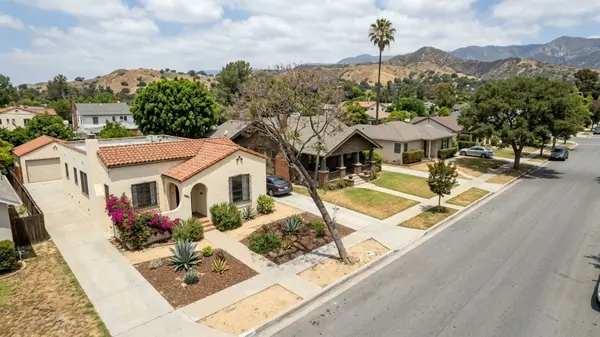
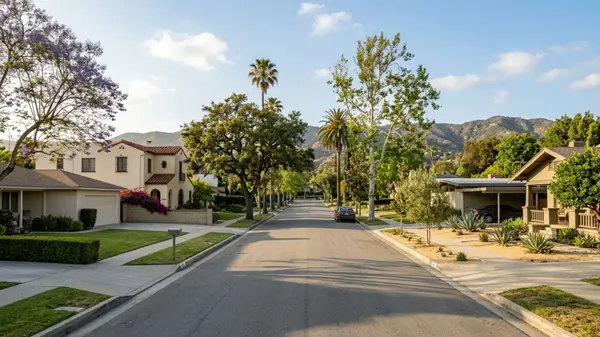
Located about 10 miles northeast of Downtown Los Angeles, Pasadena offers a distinct, historic atmosphere. The local housing stock is heavily characterized by beautiful, historic Craftsman homes on tree-lined streets.
Residents here have immediate access to the San Gabriel Mountains, providing abundant green space and hiking trails. The city is also home to prominent private schools and major higher education institutions, including Caltech. If you are browsing Pasadena homes for sale, you will find a highly walkable downtown area centered around Colorado Boulevard.
Burbank
Burbank is a fantastic option if you want robust, independent city services. The city operates its own highly-rated school district, BUSD, which is entirely separate from LAUSD.
It is known for a strong presence in the entertainment industry, housing major studios like Disney and Warner Bros. Residents benefit from dedicated local police and fire departments, as well as exceptionally well-maintained local park facilities. Checking Burbank real estate market trends is a great starting point if you work in entertainment and want a short commute.
Culver City
Culver City offers a highly centralized location with its own independent Culver City Unified School District. It has become a major hub for tech and entertainment offices, with Apple, Amazon Studios, and Sony all maintaining a massive presence.
The area features a highly walkable downtown sector and excellent transit access via the Metro Expo Line. Living in Culver City puts you in close proximity to the Westside and the beaches, making it a highly sought-after location for professionals.
Sherman Oaks
If you are looking for a more traditional suburban feel compared to the dense city basin, Sherman Oaks is a prime San Fernando Valley option. Properties here generally offer larger lot sizes while still maintaining strong commuter access via the 405 and 101 freeways.
The neighborhood sits right against the Santa Monica Mountains, providing easy access to canyon trails. You will also find an abundance of local parks, active youth sports leagues, and extensive retail and dining options along Ventura Boulevard. It is also situated right next to other popular Valley spots like Woodland Hills and Studio City.
Activities and Attractions for All Ages
One of the biggest advantages of moving to Southern California is the sheer volume of things to do. The area is packed with major amenities that make Los Angeles appealing for weekend recreation.
You have immediate access to iconic outdoor locations like the boardwalk at Venice Beach, the rides at the Santa Monica Pier, and the massive hiking network inside Griffith Park. There is never a shortage of green space or ocean views to explore.
For educational outings, the region is home to major cultural institutions. You can spend a Saturday at the Los Angeles Zoo, drive down to Long Beach to visit the Aquarium of the Pacific, or explore the interactive exhibits at the Zimmer Children’s Museum.
Of course, you are also incredibly close to world-class amusement park options. Universal Studios is right in the heart of the county, and a quick drive south into Orange County brings you to Disneyland.
Practical Advice for Relocating to Southern California
If you are actively planning a move to the Los Angeles area, there are a few logistical steps you should take early on.
-
Calculate your commute times heavily when choosing a neighborhood. A distance of ten miles can easily take forty-five minutes during rush hour.
-
Always visit prospective neighborhoods during peak traffic hours. This gives you a realistic view of the noise levels and street congestion.
-
Start the school enrollment or private school application process well in advance. Deadlines for magnet lotteries and independent academies often close months before the school year begins.
-
Consider renting in an area for six months before committing to a home purchase. This allows you to ensure the neighborhood's pace and commute truly fit your daily lifestyle.
Frequently Asked Questions
Is Los Angeles a practical place to raise a family?
Yes, it can be very practical if you budget carefully and choose your location based on your daily commute. While the high costs of housing and daily expenses are significant, they are balanced by exceptional outdoor amenities, diverse educational opportunities, and world-class cultural institutions.
What part of LA should families consider based on amenities?
Rather than looking for a single "best" area, you should focus on objective criteria like local school zones, park density, and proximity to your workplace. Neighborhoods in the San Fernando Valley offer larger lots and suburban parks, while areas like Culver City provide high walkability and independent school districts.
Why are people moving away from Los Angeles?
Many residents who leave the area do so to escape the high cost of living and the competitive housing market. The combination of state income taxes, median home prices hovering around $900,000, and daily traffic congestion prompts some to seek out more affordable, less dense regions.
How expensive is it to raise a family in Los Angeles?
It requires a substantial budget, as median home prices are near $900,000 and monthly rents for a three-bedroom home often exceed $3,500. When you add in average monthly child care costs of $1,500 to $2,500 and elevated utility rates, the financial reality of Southern California living demands careful financial planning.
Categories
Recent Posts