Los Angeles vs Culver City: A Local's Guide to Finding Your Perfect Southern California Home
Welcome to the Southern California real estate puzzle. When you first start looking at a map of the region, the borders can feel like a blur of endless streets, sprawling neighborhoods, and intersecting freeways. Clarifying the geographic relationship between these two areas is the absolute first step to narrowing down your home search.
Los Angeles is a sprawling metropolis that covers over 500 square miles and is home to nearly four million residents. It is a massive, decentralized city made up of vastly different pockets. When buyers ask about places to live in Los Angeles, they are usually trying to choose between dozens of different neighborhoods, each with its own micro-climate, architecture, and distinct culture. You could live in the hills, downtown, or by the coast, and still have a Los Angeles address.
In stark contrast, Culver City is an entirely independent, incorporated municipality that is almost completely surrounded by the city of Los Angeles. It is highly concentrated, spanning just about five square miles with a population closer to 40,000 people. Instead of the sprawling urban feel of LA, Culver City offers a centralized, small-town atmosphere right in the middle of the westside. Moving between the two often feels seamless - sometimes the only way you know you have crossed the border is by noticing the color of the street signs change - but the administrative and lifestyle differences are profound. For anyone gathering Southern California relocation tips, understanding this boundary is crucial to setting your expectations.
Real Estate and Cost of Living Comparison
Once you have a handle on the map, the next major factor to weigh is your housing budget. The financial realities between these two markets are distinct, driven by inventory limits, municipal benefits, and overall buyer demand.
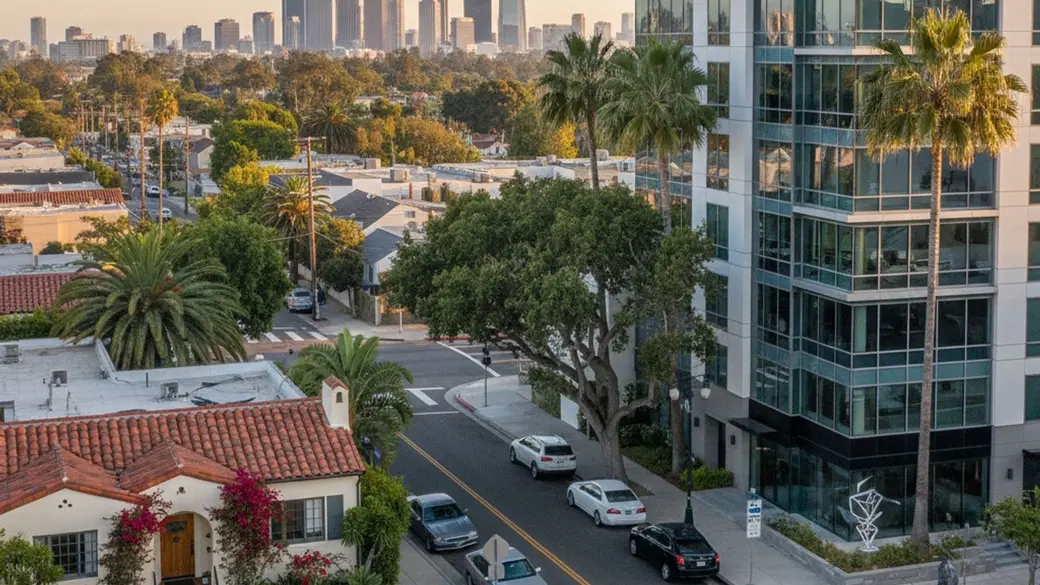
Los Angeles offers incredible property diversity that caters to almost any budget and architectural preference. You might find sleek high-rises in Downtown LA, historic sprawling estates in Los Feliz, or mid-century gems tucked away in Studio City. Across the broader city, the median home price generally hovers between $850,000 and $900,000. If you are looking to lease instead of buy, median rents in Los Angeles typically range from $2,100 to $2,700 a month, depending heavily on the specific neighborhood and the amenities offered by the building.
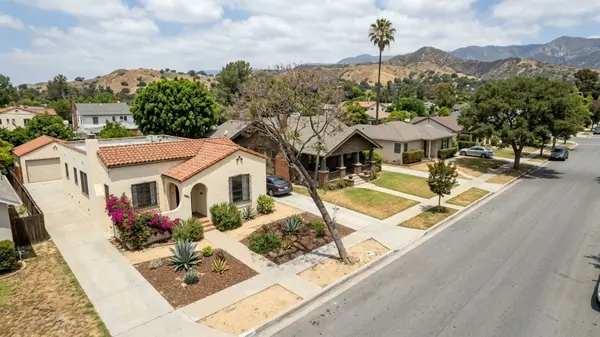
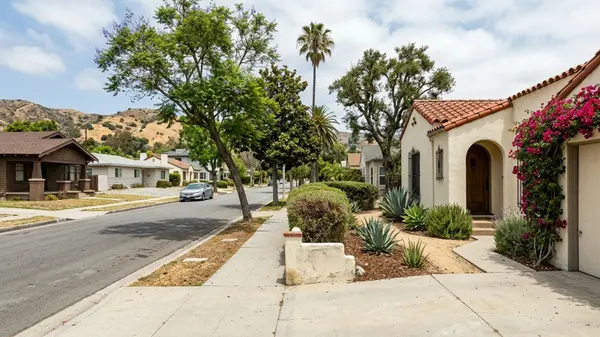
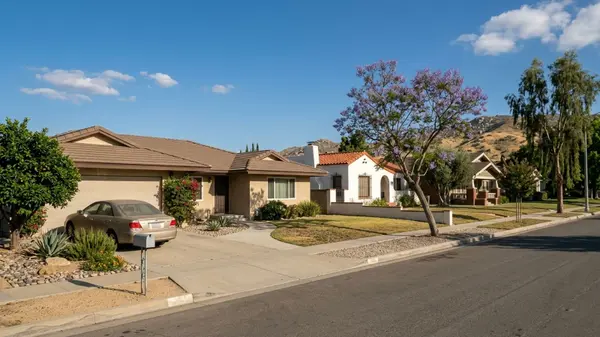
Culver City, on the other hand, commands premium pricing due to its highly limited inventory and intense buyer demand. Because it is a small, highly sought-after enclave, homes here simply do not stay on the market very long. The housing stock leans heavily into charming historic bungalows from the 1920s, newer luxury condo buildings, and modern mixed-use developments near the downtown corridor.
To give you a quick snapshot of the current market costs:
-
Los Angeles median home price: roughly $850,000 to $900,000.
-
Culver City median home price: approximately $1,000,000 to $1,360,000.
-
Los Angeles median rent: around $2,100 to $2,700 monthly.
-
Culver City median rent: roughly $3,000 to $3,300 monthly.
Beyond the initial sticker price, buyers looking at homes for sale in Culver City should also pay close attention to local taxes and municipal fees. Because it is an independent city, it has its own transfer taxes and local property assessments that differ from the standard Los Angeles county rates. Calculating the true cost of living in Southern California requires looking closely at these distinct municipal boundaries before you make an offer.
Lifestyle, Amenities, and Walkability
Moving beyond the numbers, your daily routine will look quite different depending on which side of the city limit you choose. Both areas offer incredible dining and entertainment, but the daily vibe and how you interact with your neighborhood is fundamentally different.
Downtown Culver City features fantastic pedestrian-friendly infrastructure that makes leaving the car at home a real option. You will find a dense concentration of highly rated restaurants, boutique retail shops, and major local landmarks like Sony Pictures Studios all within a short stroll. It is a highly localized, walkable lifestyle that appeals to many buyers looking for a cohesive community center where they can run errands, grab coffee, and meet friends entirely on foot.
Los Angeles, by contrast, provides a massive, spread-out entertainment landscape. If you love the idea of hopping between the vibrant nightlife of WeHo, the trendy cafes of Silver Lake, and the cultural institutions in Westwood, the broader city has endless options. You just have to be willing to drive to experience them all, as these hubs are spread across the basin.
Both locations offer excellent access to outdoor recreation and the classic California lifestyle. Whether you want to hike Runyon Canyon in the Hollywood hills or take a quick drive down to the famous Santa Monica Pier, living in either city keeps you close to the beach and the sunshine. If minimizing your driving time is a priority, checking out the best walkable neighborhoods in LA County will quickly show why Culver City frequently tops those lists.
Commute Times and Public Transportation
Of course, enjoying those local amenities means figuring out how to get around, which brings us to the famous Southern California traffic. Commuting is a critical piece of the real estate puzzle here, and your address heavily dictates your daily drive.
A common question from buyers is how far Culver City actually is from the rest of Los Angeles. Geographically, Downtown LA is only about 10 miles away, but you should expect that drive to take 30 to 45 minutes depending on the time of day and the flow of traffic. LAX is even closer, sitting just about 6 miles south. Culver City benefits from a highly strategic location right near the intersection of the 405 and 10 freeways, giving you direct, immediate arteries to the rest of the region.
If you prefer to skip the heavier gridlock often experienced when commuting across the broader LA basin, public transit is a highly viable alternative. Culver City is remarkably well-connected by the Los Angeles Metro. The E Line provides a straight rail shot into Downtown LA or out west to Santa Monica, while the K Line expands access southward. For many professionals commuting in Southern California, having a reliable rail option completely changes their daily routine and drastically reduces freeway stress. A quick review of any guide to the Los Angeles Metro will show just how central this area has become to the region's transit network.
Evaluating Crime Statistics and Local Services
From commute times, it is smart to look at how local government and municipal services impact your day-to-day environment. The administrative differences between the two cities are significant and often play a major role in a buyer's final decision on where to put down roots.
Because Culver City is an independent municipality, it operates its own dedicated local services. This includes the Culver City Police Department and the Culver City Fire Department, which serve a concentrated five-square-mile radius. In contrast, the city of Los Angeles relies on the LAPD and LAFD, which manage a vast jurisdiction and a massive population. Having dedicated local services often means highly responsive municipal support, whether you are pulling a building permit at city hall or requesting street maintenance.
When buyers ask about safety and crime statistics, the answer often comes down to this localized presence. Culver City frequently reports lower property crime rates compared to the broader averages of Los Angeles. However, Los Angeles is huge, and statistics vary wildly from block to block. I always advise my clients to consult local crime mapping tools and municipal data for the specific streets they are touring to get an accurate, objective picture of the area. Understanding local property taxes and municipal services is key to setting the right expectations for your new neighborhood.
Frequently Asked Questions
Is Culver City separate from Los Angeles?
Yes, Culver City is an entirely independent, incorporated municipality. Even though it is almost completely surrounded by the sprawling city of Los Angeles, it has its own city council, an independent school district, and dedicated municipal services like police and fire departments.
Is Culver City a good place to live?
Many buyers find it highly desirable due to its strong real estate values, excellent walkability, and strategic location near major employment hubs. The centralized downtown area and proximity to the Los Angeles Metro make it a highly convenient base for professionals and relocators looking for a cohesive community feel.
How far is Culver City from Downtown LA and the beach?
Downtown LA is approximately 10 miles east of Culver City, which typically translates to a 30 to 45-minute drive depending on freeway traffic. If you want to head west to the coastline, the famous Santa Monica Pier and nearby beaches are only about 7 miles away, easily accessible via the 10 freeway or the Metro E Line.
Is Culver City, CA wealthy?
Culver City does skew higher in terms of median household income compared to the broader Los Angeles average. This is reflected in the local housing market, where median home prices regularly exceed $1,000,000 due to high demand, limited inventory, and the strong appeal of its independent municipal services.
Categories
Recent Posts