The Ultimate Los Feliz Los Angeles, CA Area Guide for 2026 Buyers
Nestled between the sprawling foothills of the Santa Monica Mountains and the bustling energy of Eastside Los Angeles, Los Feliz offers a distinct blend of historic architecture and urban convenience. The area has long maintained its reputation as a premium residential enclave characterized by grand estates, dense commercial corridors, and immediate access to massive municipal green spaces.
Navigating this specific market requires an understanding of its highly localized pricing, strict zoning boundaries, and unique inventory limitations. As of 2026, buyers entering the 90027 zip code face a landscape where historic preservation meets modern transit development, requiring strategic preparation to secure a property here.
Understanding the Los Feliz Real Estate Market
Los Feliz operates as a highly sought-after, low-turnover housing market where properties frequently pass between generations rather than hitting the open multiple listing service. This restricted inventory creates a highly competitive environment for buyers looking to establish a foothold in the community.
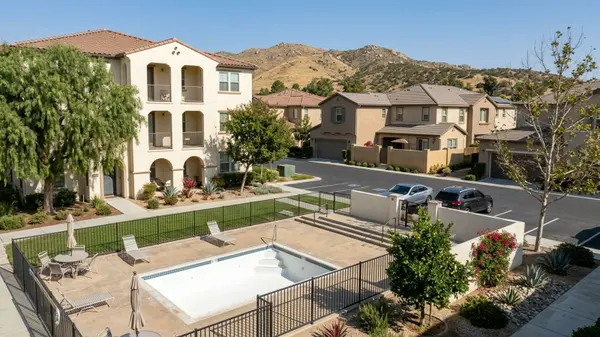
The housing stock provides a sharp contrast between dense multifamily corridors near the southern edge and sprawling single-family hillside estates to the north. Buyers should expect aggressive bidding on turnkey properties, as the premium attached to this specific zip code rarely wavers regardless of broader county trends.
Prevalent Architectural Styles
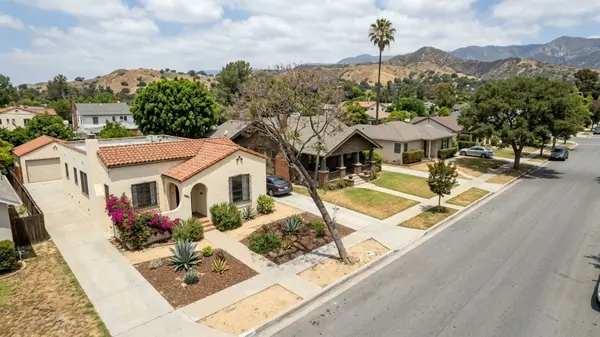
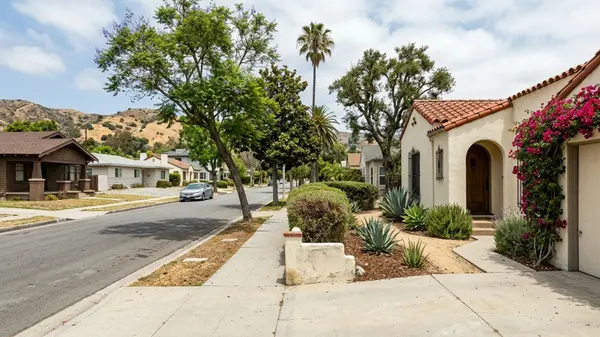
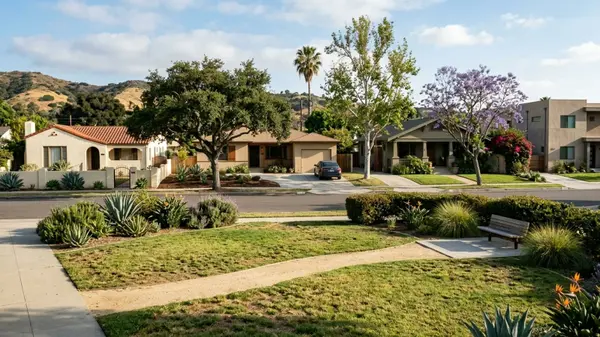
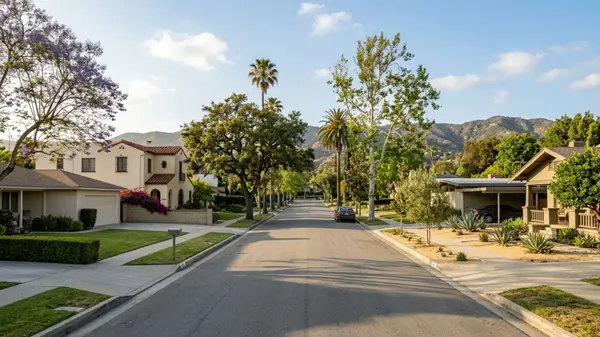
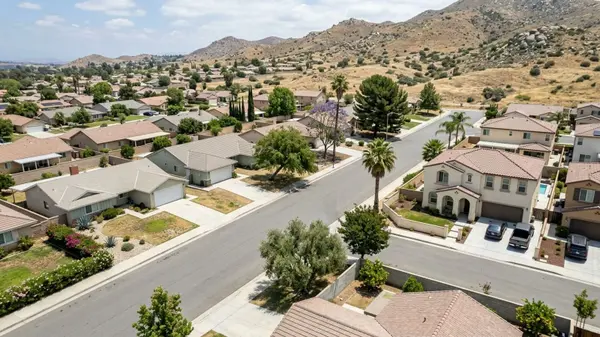
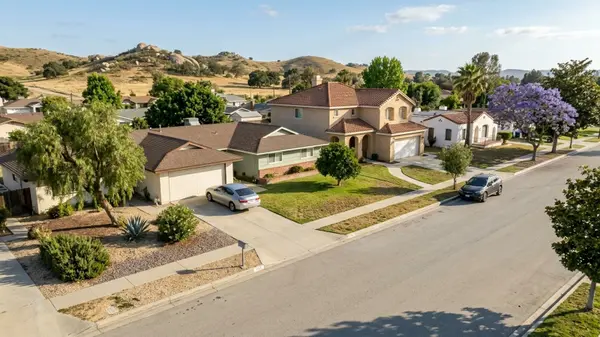
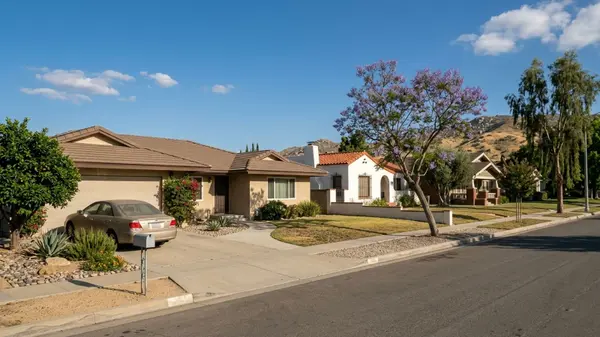
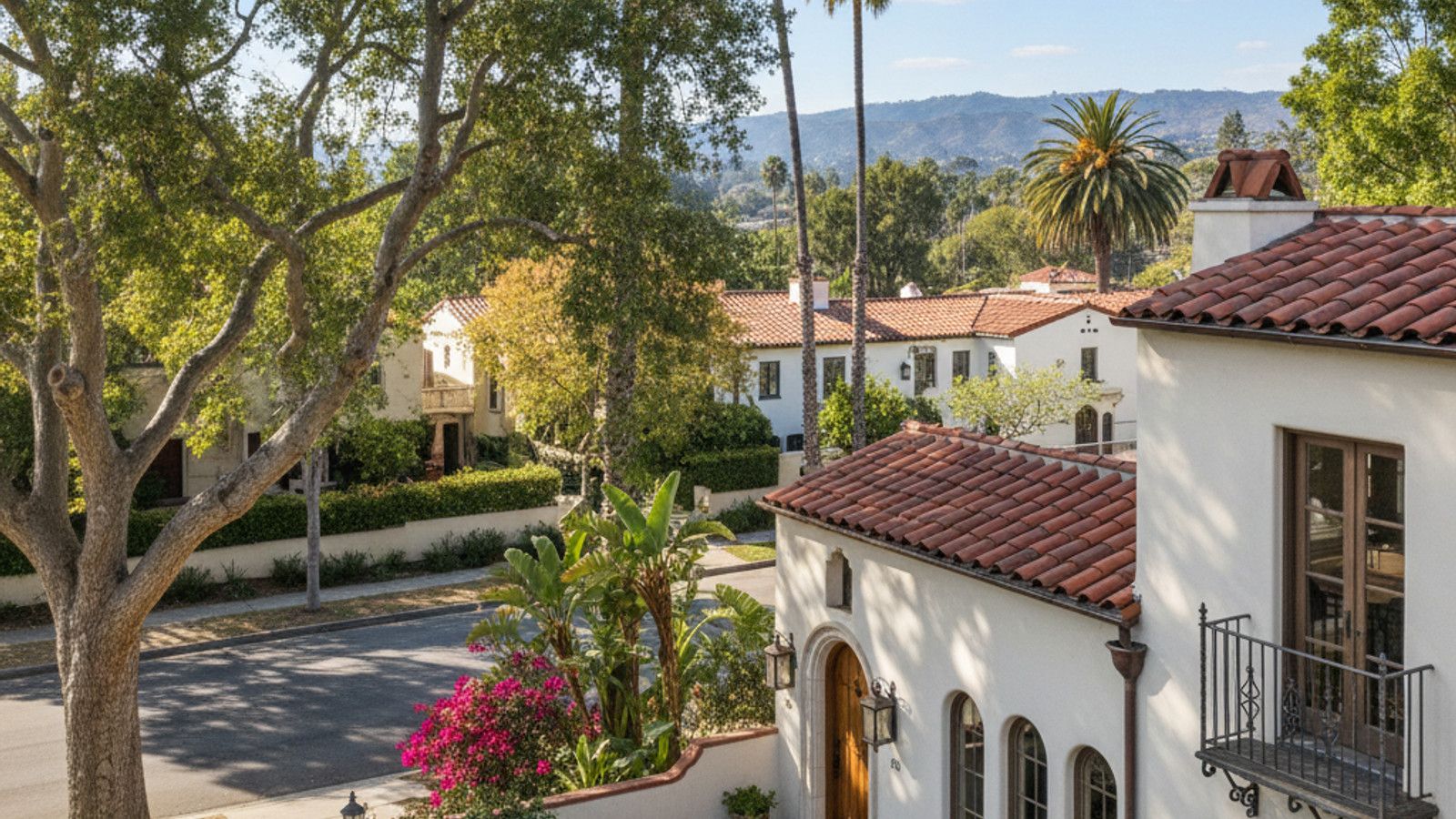
A high concentration of 1920s Spanish Colonial Revival homes lining mature, tree-lined streets heavily defines the local aesthetic. These historic properties often feature original tile work, arched doorways, and interior courtyards that command significant premiums in the current market.
Moving further into the hillside enclaves, buyers will find significant Mid-Century Modern properties and gated estates perched on steep grades. The area also serves as a living museum of historic architecture, featuring notable landmarks like Frank Lloyd Wright's Hollyhock House nestled within Barnsdall Art Park.
Current Market Data and Home Prices
Pricing in this area reflects its historic pedigree and central location within Los Angeles. Understanding these baseline figures is crucial for buyers calculating their purchasing power and expected monthly carrying costs in 2026.
-
The median home price currently hovers between $2,200,000 and $2,300,000, translating to roughly $860 to $905 per square foot.
-
Average rental rates for apartments and multifamily units range from $2,500 to $3,000 per month.
-
Condominium buyers should anticipate monthly HOA dues between $250 and $800, depending heavily on the building's age and amenities.
-
Property tax rates generally fall between 1.1% and 1.3% of the final purchase price.
Transportation Infrastructure and Commuting
Geographically, the area occupies a highly strategic position bridging the Eastside and Hollywood, making it a critical junction for commuters. Residents benefit from immediate access to the I-5 freeway to the east and the US-101 freeway to the south.
This connectivity allows for relatively straightforward transit to major employment centers across the Los Angeles basin. However, the reliance on these major arteries means residents must frequently navigate heavy congestion during peak morning and evening hours.
Driving Commutes to Major Employment Hubs
The drive to Downtown Los Angeles covers a distance of approximately 5 miles, though surface street traffic can heavily influence travel times. Drivers heading west into Hollywood and the major entertainment studios face a much shorter physical distance, often utilizing local roads.
Savvy locals frequently rely on major surface thoroughfares like Sunset Boulevard to bypass freeway bottlenecks. This alternative routing provides crucial flexibility when accidents or construction disrupt the primary interstate corridors.
Metro B Line and Public Transit
Public transportation offers a highly viable alternative to driving for residents working along the primary subway corridor. The neighborhood is anchored by the Metro B Line station located at the intersection of Vermont Avenue and Sunset Boulevard.
-
Direct subway trains reach Pershing Square or Union Station in Downtown Los Angeles in approximately 12 minutes.
-
Subway departures are scheduled roughly every 15 minutes during standard operating hours.
-
The LADOT DASH Observatory Bus provides dedicated local circulation between the transit station and major park attractions.
-
Multiple high-frequency Metro bus lines service the primary commercial corridors along Vermont and Hillhurst avenues.
Public Schools and Healthcare Facilities
The civic infrastructure within the 90027 zip code provides robust educational and medical support for the surrounding community. This concentration of institutional resources heavily influences property values, particularly for homes located within walking distance of these facilities.
All public educational institutions in the district fall under the jurisdiction of the Los Angeles Unified School District. Meanwhile, the southern border of the community hosts a massive medical district that serves as a primary employment hub and regional care center.
Los Angeles Unified School District Schools
Early education in the area is anchored by the Los Feliz STEMM Magnet, which provides specialized curriculum tracks for local students. As students progress, many transition to Thomas Starr King Middle School, which operates a highly regarded Film and Media Magnet program.
Secondary education is primarily served by John Marshall High School, a local landmark recognized for its striking 1931 Collegiate Gothic architecture. The campus offers diverse academic programs and has served as a filming location for countless movies and television shows over the decades.
Local Healthcare Facilities
Residents benefit from immediate proximity to the sprawling Kaiser Permanente Los Angeles Medical Center complex. This massive campus provides comprehensive emergency services, specialized surgical centers, and routine outpatient care.
Just along the western edge of the community sits the CHA Hollywood Presbyterian Medical Center, further expanding the local healthcare network. Locals also have access to numerous independent urgent care centers and specialist clinics lining the Sunset Boulevard corridor.
Local Amenities, Parks, and Recreation
This district manages a rare balance between dense urban commercial activity and expansive access to preserved natural spaces. The layout allows residents to transition from crowded, walkable retail districts directly into rugged mountain hiking trails within a matter of blocks.
This proximity to everyday conveniences heavily drives the local real estate demand. Buyers consistently prioritize properties situated within a half-mile radius of the primary commercial avenues to maximize their pedestrian access to local businesses.
Griffith Park and the Greek Theatre
The northern boundary directly borders the southern edge of Griffith Park, providing residents with immediate access to miles of hiking trails and expansive picnic areas. This massive municipal park serves as the primary recreational anchor for the entire eastern half of the city.
The park grounds house the iconic Griffith Observatory, offering sweeping views of the Los Angeles basin and the Hollywood Sign. Further down the canyon, the Greek Theatre operates as a premier outdoor amphitheater, hosting major live entertainment acts throughout the warmer months.
Vermont Avenue and Hillhurst Avenue
The commercial lifeblood of the community flows through Vermont Avenue and Hillhurst Avenue. These parallel, walkable thoroughfares boast an eclectic culinary scene packed with independent restaurants, sidewalk cafes, and legacy diners.
Cultural staples heavily define the retail landscape, most notably Skylight Books and a dense collection of curated vintage shops. The presence of a classic single-screen movie theater and numerous independent boutiques ensures the commercial district retains its historic, localized character.
Frequently Asked Questions
Is Los Feliz a walkable neighborhood?
Yes, the neighborhood features highly walkable commercial corridors, particularly around Vermont Avenue and Hillhurst Avenue. Residents living near these main thoroughfares can easily access groceries, dining, and retail without relying on a vehicle.
What are the typical lot sizes in Los Feliz?
Lot dimensions vary drastically depending on the specific location within the neighborhood. Dense condominium and multifamily areas near the southern border sit on compact urban footprints, while expansive hillside estates to the north frequently occupy parcels exceeding 15,000 square feet.
How long is the commute from Los Feliz to Downtown Los Angeles?
The commute to Downtown Los Angeles takes roughly 12 minutes when utilizing the Metro B Line subway from the Vermont/Sunset station. Driving the 5-mile distance via the US-101 freeway or local surface streets typically takes 20 to 35 minutes, depending on peak traffic conditions.
Categories
Recent Posts